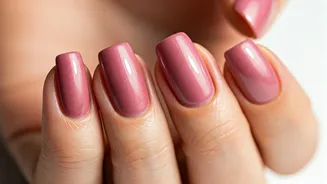

Proper Filing Techniques
The cornerstone of nail health lies in the way one files them, an often-overlooked practice that forms the very foundation of nail care in 2026. Experts
emphasize the necessity of filing in one direction only. This prevents the splitting and weakening of nails, a common issue stemming from sawing back and forth with a file. Opt for a fine-grit file, especially on natural nails, to minimize damage and promote smoothness. Regular filing not only maintains nail shape but also mitigates the risk of breakage and promotes even growth. Remember to file gently; avoid aggressive motions that can cause trauma to the nail bed. A smooth, well-filed edge acts as a shield, preventing snags and increasing the overall strength of each nail, contributing to a healthier and more aesthetically pleasing appearance in the long run. Consistent, careful filing is a crucial habit for anyone seeking strong, beautiful nails.
Prioritize Hydration, Inside
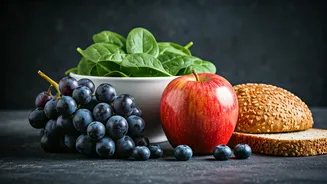
Internal hydration plays a pivotal role in the health and vitality of nails in 2026, often underestimated in its impact. Adequate water intake is essential; it directly influences nail strength and flexibility, and nails, being composed of keratin, benefit immensely from hydration. Dehydration often leads to brittle and easily-broken nails, creating a noticeable impact on nail appearance and growth. Aim to drink at least eight glasses of water daily, a simple yet highly effective way to keep your nails moisturized from within. Additionally, consider incorporating hydrating foods such as fruits and vegetables rich in water content into your diet to boost hydration levels. Regular water consumption not only strengthens your nails but also promotes overall health, contributing to a vibrant and resilient appearance. The practice of maintaining optimal hydration levels is a fundamental, easily adoptable habit to incorporate into your nail care routine.
Moisturize Regularly, Outside
External hydration, through the application of moisturizers, is equally important for nail care. In 2026, maintaining moisture in and around your nails prevents dryness and brittleness. Regularly apply hand creams and cuticle oils, paying special attention to the nail bed, cuticles, and surrounding skin. These products provide essential moisture and nutrients, reducing the chances of cracks and splits. Choose products rich in humectants and emollients for optimal results. Humectants attract and retain moisture, while emollients smooth and soften the skin. The ideal time to moisturize is after washing hands or exposure to harsh elements. Consistent moisturizing creates a protective barrier, shielding nails from environmental stressors and promoting their resilience. Making moisturizing a daily habit is a key step towards achieving long-lasting nail strength and maintaining a polished appearance, contributing to overall hand health.
Nail-Friendly Diet Choices
The nutritional aspect of nail care holds significant importance in 2026, as what you eat greatly impacts nail strength and growth. A diet rich in essential nutrients, vitamins, and minerals lays the groundwork for robust nails. Protein is the building block of keratin; therefore, sufficient protein intake is vital. Include lean meats, eggs, and legumes in your diet. Biotin, a B-vitamin, is particularly known for strengthening nails, often found in foods like eggs and nuts. Iron, zinc, and omega-3 fatty acids are also crucial. Iron deficiency can cause brittle nails, while zinc promotes nail growth. Omega-3 fatty acids maintain the nails' flexibility. Consider incorporating foods such as salmon, flaxseeds, and spinach into your diet. A well-balanced diet supports overall health, directly benefiting nail health. Prioritizing nutritious food choices establishes a strong foundation, leading to resilient and beautiful nails.
Gentle Nail Product Usage
In the evolution of nail care in 2026, cautious product selection and use are paramount for maintaining healthy nails. The harsh chemicals commonly found in certain nail products can strip away natural oils and weaken the nail structure. When using nail polish, opt for formulas free from toluene, formaldehyde, and dibutyl phthalate (DBP), as they are known irritants. Always apply a base coat to protect nails from staining and provide a smooth surface for the polish. When removing polish, choose an acetone-free remover to minimize dryness. The frequent use of artificial nails or gel manicures can potentially cause damage; allow the nails to breathe and recover between applications. Giving your nails breaks from polish and artificial enhancements helps maintain their natural health and strength. A gentle approach to nail product usage ensures that your nails remain strong, vibrant, and well-nourished, avoiding the potential for harm from aggressive chemicals or excessive application.
Protect Against Trauma
Protecting nails from potential trauma is a fundamental aspect of nail care, especially important in 2026. Nails are susceptible to damage from various activities, including everyday tasks. Wearing gloves while doing dishes, cleaning, or gardening safeguards nails from exposure to water, harsh chemicals, and physical impacts. Avoid using your nails as tools to open packages or scrape surfaces, as these activities can lead to breakage or splitting. Be mindful of activities that involve repetitive pressure or impact on the nails. This also includes avoiding biting or picking at nails, a harmful habit that weakens their structure and introduces bacteria, potentially leading to infections. Implementing protective measures such as wearing gloves during cleaning and other manual tasks reduces the likelihood of damage, helping maintain nail strength and appearance. Being conscious of potential hazards and taking preventive measures ensures nails remain resilient and healthy, contributing to a polished, professional look.