





Understanding the Cowlick
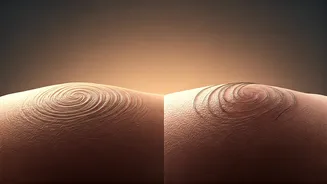
A cowlick is essentially a natural anomaly in how your hair grows. Instead of following the general direction of the rest of your hair, a section, most
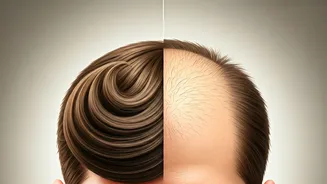
commonly at the crown, grows in a distinct swirl or spiral. This pattern is determined by the angle of your hair follicles from birth and is a permanent characteristic. It doesn't indicate any thinning or hair loss; rather, it's just your hair's unique personality. Old photos often reveal the same pattern, showing it’s been a lifelong feature. This rebellious tuft can appear more pronounced when hair is shorter or damp, sometimes giving the illusion of thinning, but it's purely a growth direction quirk. It resists styling attempts and remains a constant feature, unaffected by external factors.
Spotting True Hair Loss
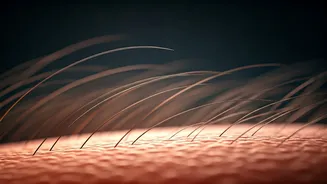
In contrast to a cowlick, a bald spot signifies a genuine reduction in hair density. This isn't about growth direction but rather a diminished number of hairs or complete absence of hair in a specific area. Pattern baldness, driven by genetics, is a common cause, but it can also be triggered by significant stress, hormonal changes, or prolonged tight hairstyles. Red flags include a patch that gradually expands over weeks or months, increased scalp visibility, a noticeable increase in hair shedding (found in drains or on pillows), or hair in the affected area feeling unusually fine and fuzzy compared to the rest of your scalp.
Key Differentiating Clues
Differentiating between the two is simpler than you might think. Firstly, consider the timeline: a cowlick is static, present since childhood and unchanging in size, while a bald spot is dynamic, growing or becoming more apparent over time. Secondly, examine hair density: in a cowlick, hair strands are present but angled differently; in a bald spot, there are fewer hairs, or the scalp is exposed. Thirdly, assess shedding: a cowlick doesn't cause extra hair loss, whereas increased shedding often accompanies thinning. Fourthly, check scalp visibility: a cowlick's apparent baldness can often be masked by restyling, but a true bald spot remains visible regardless of manipulation. Finally, touch the hair: consistent texture across your head suggests a cowlick, while a noticeable difference in fineness points towards thinning.
The Crown Confusion
The crown area is a frequent source of confusion because it's the most common location for both natural hair swirls and the onset of pattern baldness. Under harsh lighting, the natural spiral of a cowlick can expose more scalp than usual, leading to self-doubt about its permanence. If you haven't paid close attention to your crown before, any visible skin might seem like a new development. However, the key is whether this visibility has changed. If you've always had a swirl there and it looks the same as it did years ago, it's likely just your natural cowlick, amplified by lighting rather than actual hair loss.
The "Wet Hair" Trap
Lighting, especially the unforgiving glare of overhead bathroom lights, can play tricks on your perception of hair density. These clinical lights are designed for visibility, not flattery, and can make even thick hair appear sparse. Furthermore, wet hair tends to clump together, forming spikes that naturally expose more scalp, particularly at the crown. If the spot that worries you disappears or becomes less noticeable once your hair is dry and has more volume, it's almost certainly a sign of a cowlick, not thinning. Always assess your hair in natural, indirect light for a more accurate picture before jumping to conclusions.
When to Seek Help
While most scalp curiosities are benign, there are clear indicators that warrant professional consultation. If you notice that the patch of thinning hair is demonstrably increasing in size, or if your hairline is noticeably receding, it's time to see a specialist. Additionally, any itching, redness, or irritation in the affected area should be investigated. A crucial sign of potential hair loss is the presence of very short, thin, 'miniature' hairs within the patch, which differ significantly from the surrounding hair. Consulting a dermatologist or trichologist can provide a definitive diagnosis and appropriate treatment options.
Stop Stressing Now
It’s completely understandable to be concerned about your hair's appearance, but it's important to remember that hair loss is typically a gradual process and rarely happens overnight. If you aren't experiencing excessive shedding and the area in question hasn't changed in size or appearance over several months, you are likely dealing with your familiar cowlick. A practical approach to alleviate anxiety is to take a clear photograph of the area today. Set a reminder to take another picture in two months. If the images are identical, you can confidently conclude that there's no cause for alarm and cease worrying about potential hair loss.