

Emerging Color Palettes
Fashion in recent years has seen a significant shift, with colors playing a pivotal role in setting the tone for the season. Understanding this helps people
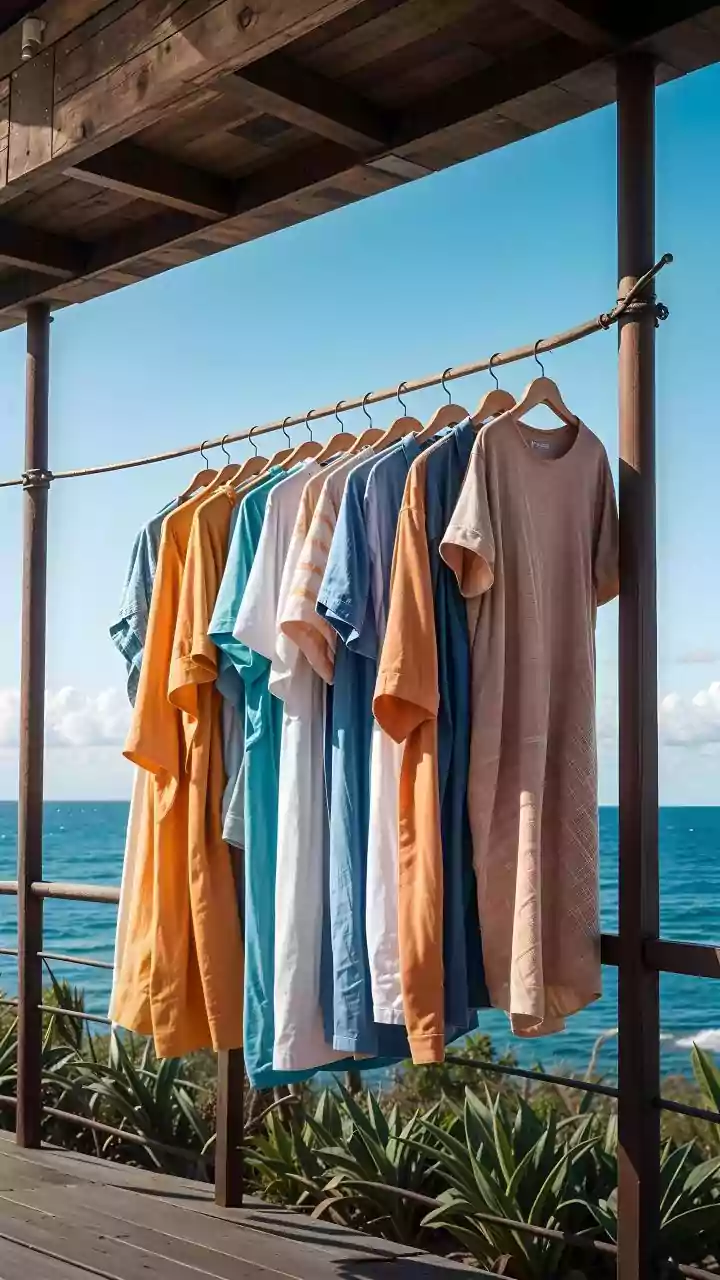
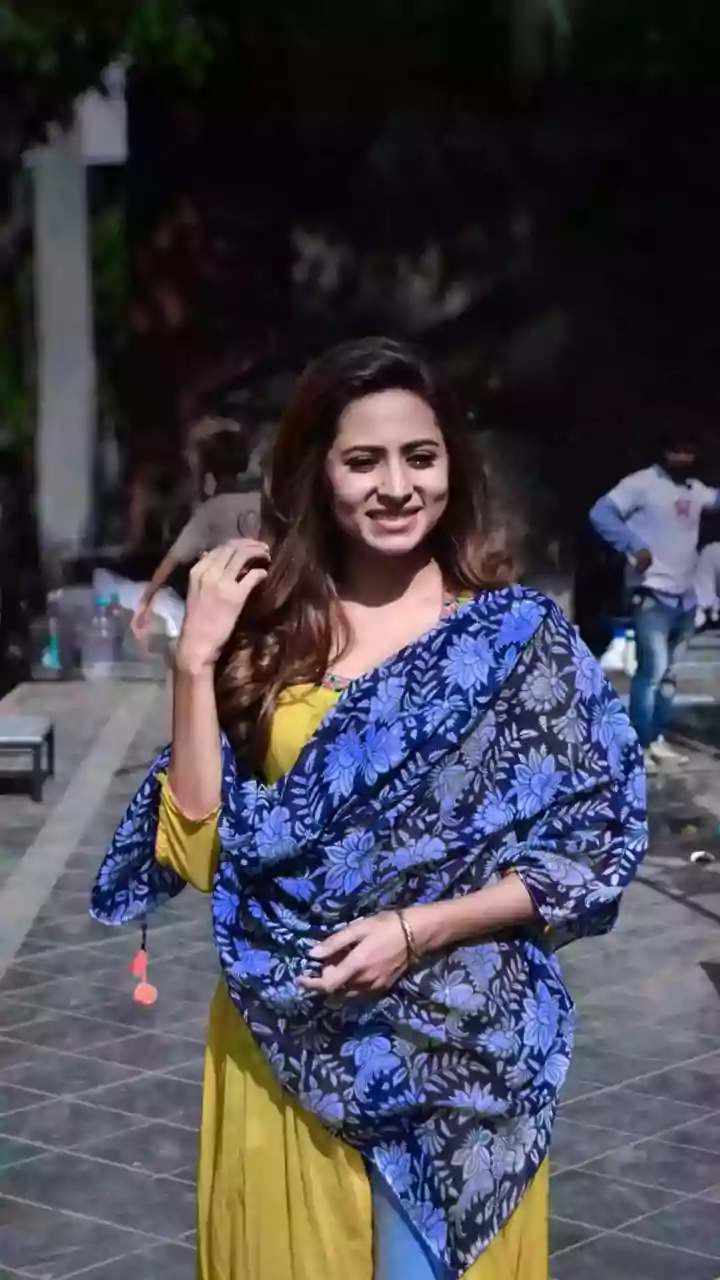
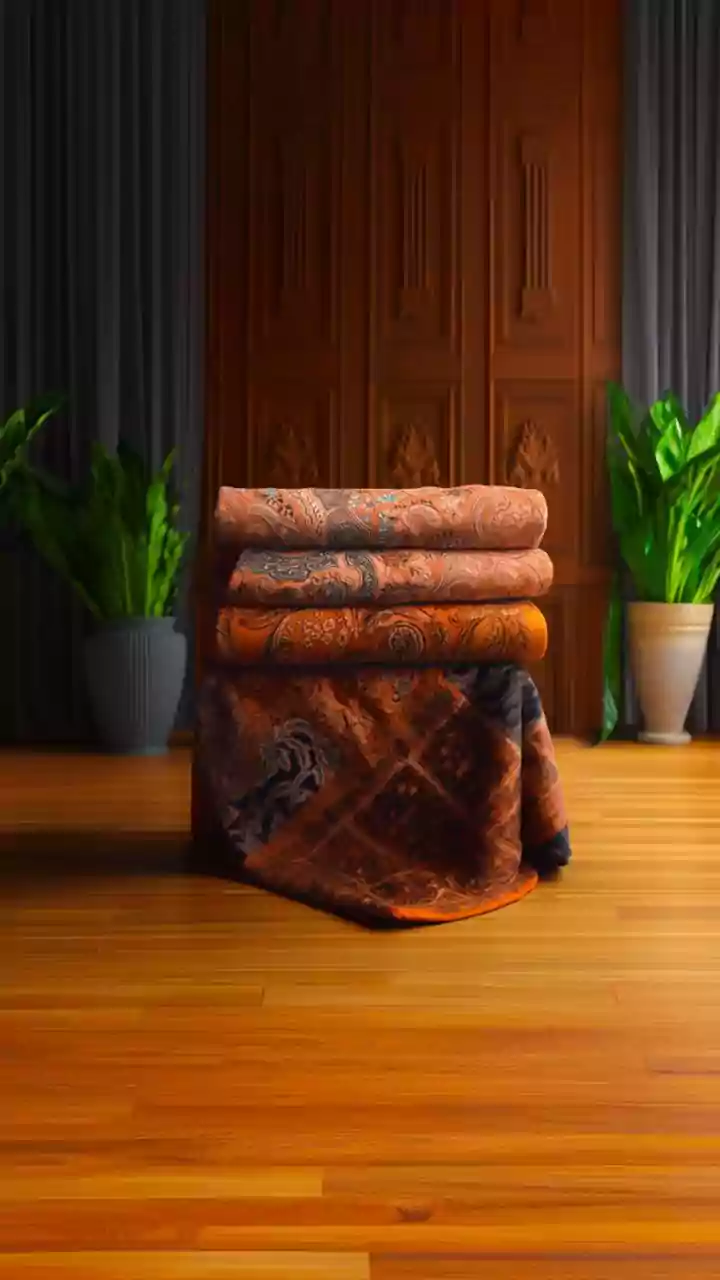
make informed choices. The use of vibrant hues has become a staple, offering a bold statement and injecting energy into wardrobes. Neon shades and electric blues were widely seen, symbolizing a sense of optimism and modernity. In contrast, softer pastels like lavender and mint green brought a sense of calm and sophistication, indicating a need for tranquility and balance. Earth tones also emerged as a prominent trend, reflecting a desire to connect with nature and promote sustainability. These included shades of terracotta, olive green, and warm browns, lending a grounded and elegant feel to the season. The impact of these colors is reflected through clothing and the overall fashion landscape.
Key Style Elements
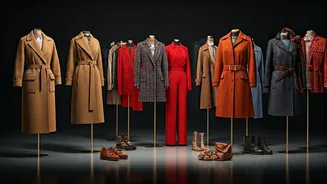
Beyond colors, specific style elements have captured significant attention. A major trend is the resurgence of vintage-inspired fashion, especially the styles from the 1970s and 1990s. This revival includes flared jeans, oversized blazers, and retro prints, allowing for nostalgia. These elements are being reimagined with modern twists to keep them current and relevant. Another significant element is the rise of comfortable and practical clothing, reflecting lifestyle changes. Athleisure wear remains strong, with a focus on functionality and versatility, seamlessly blending activewear with everyday fashion. The emphasis on comfort is demonstrated through oversized silhouettes, soft fabrics, and relaxed fits. Sustainable materials are also taking center stage, indicating a growing awareness of the need for eco-conscious fashion. The integration of recycled fabrics, organic cotton, and other environmentally friendly materials is not only stylish, but shows a concern for the planet.
Design Aesthetics Evolving
The fashion landscape has seen significant shifts in design aesthetics. Minimalist designs continue to be influential, focusing on clean lines, simple shapes, and understated elegance. This aesthetic promotes timelessness and versatility, allowing for easy mixing and matching of wardrobe pieces. Maximalism, characterized by bold prints, vibrant colors, and elaborate embellishments, has become a prominent trend as a response to minimalism. This aesthetic allows for self-expression and creative flair. Additionally, gender-neutral fashion is gaining momentum, challenging traditional gender norms and promoting inclusivity. This is reflected in clothing and accessories that are designed to be worn by anyone, regardless of gender identity. Designers are experimenting with silhouettes, fabrics, and styling techniques to offer versatile options that suit diverse body types and personal preferences. Furthermore, the use of technology has helped the evolution of design. Digital fashion, 3D printing, and virtual reality are being used to create innovative and sustainable designs, pushing the boundaries of what is possible.