




Fashion's Constant Cycle
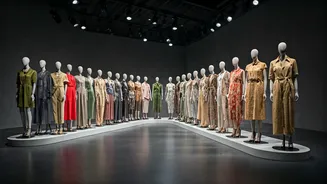
Fashion's cyclical nature is undeniable; trends resurface and are reimagined. Styles from previous decades frequently re-emerge, modified to match the
modern context and tastes of the moment. The rise of vintage clothing and the repurposing of older garments demonstrates this trend. A major influence is the past, with designers drawing inspiration from various periods and cultures. The rapid pace of fashion, fueled by social media and mass production, has accelerated these cycles. What was once 'old' quickly becomes 'new' again, with each iteration offering a fresh perspective on familiar designs and silhouettes. This cyclical phenomenon keeps fashion fresh and prevents it from ever stagnating.
Cultural Influences on Style
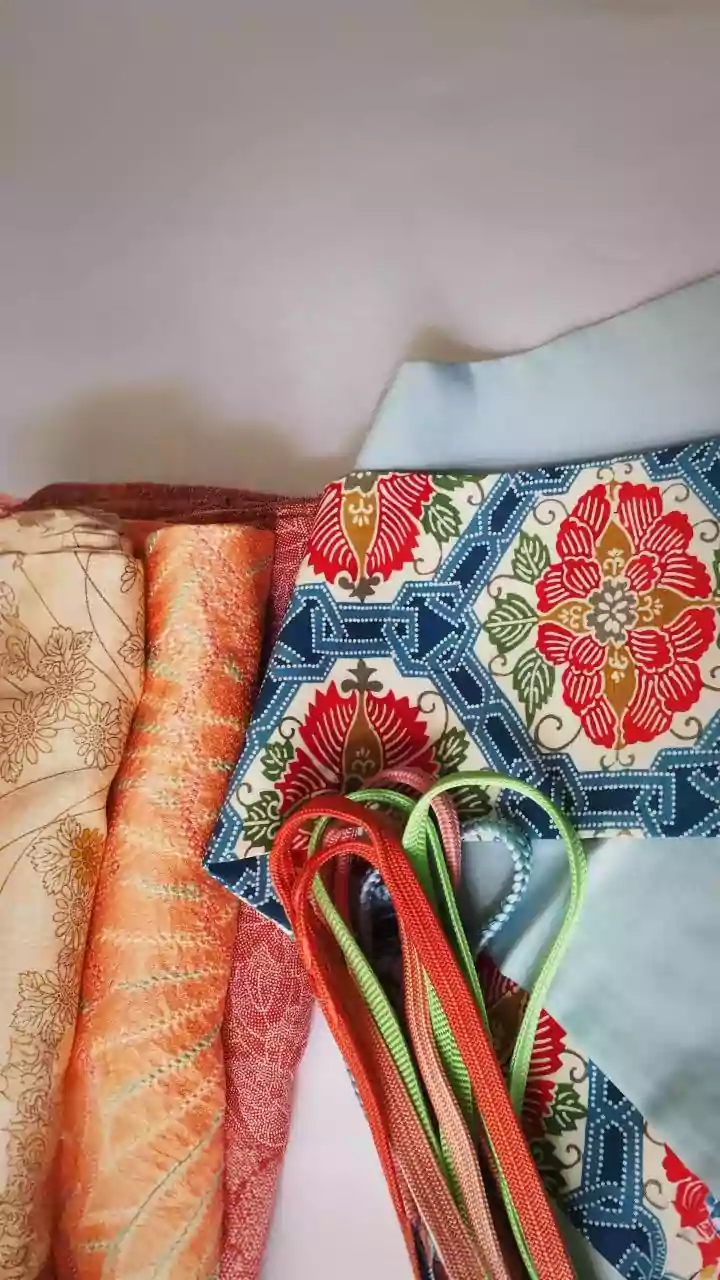
Culture profoundly impacts fashion trends. Films, music, art, and even political events influence what's considered fashionable. For example, a movie's costume design can trigger a surge in the popularity of certain clothing styles. Similarly, music genres often come with associated aesthetics that followers adopt, thereby establishing subcultures. Globalisation has exposed diverse cultural influences, blending traditions and creating unique styles. The growth of social media platforms has amplified these cultural exchanges, enabling fashion trends to spread rapidly. Cultural appropriation is a controversial topic, with debates about respecting and properly acknowledging the origins of the inspirations.
Technology's Fashion Role
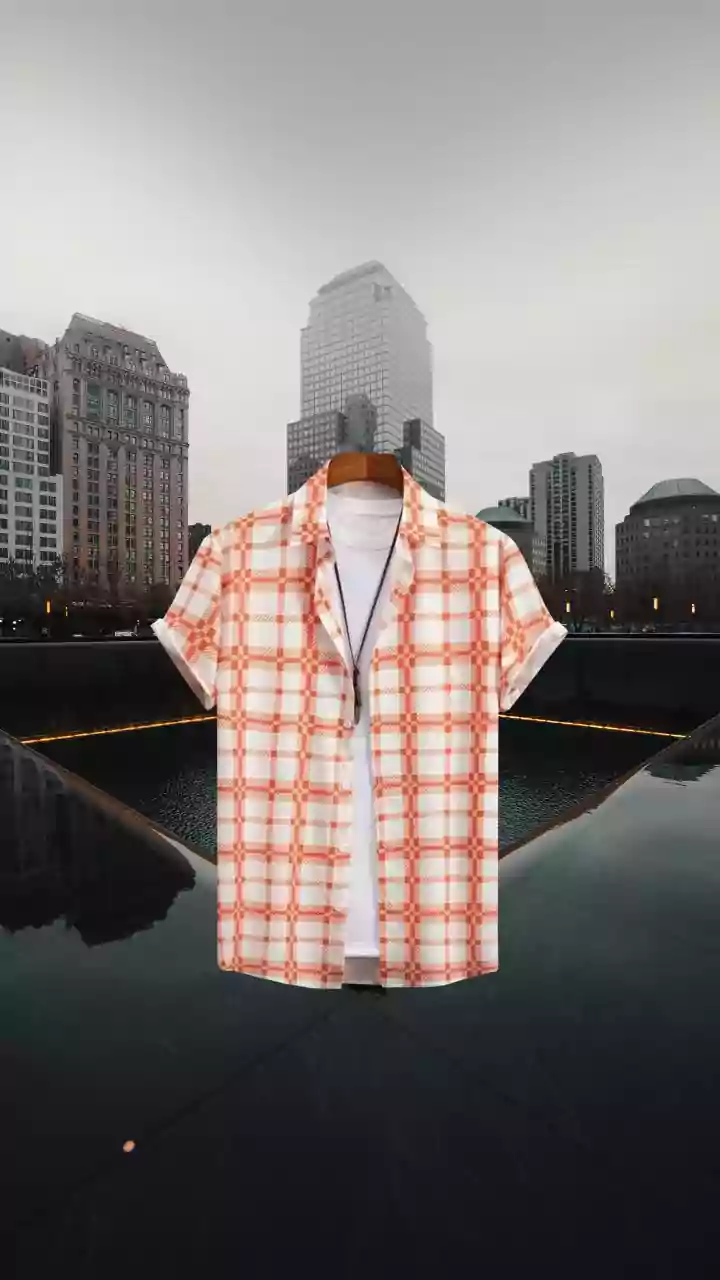
Technology is reshaping the fashion industry. Advancements in textiles have given birth to innovative fabrics, boosting both performance and aesthetics. E-commerce and online platforms have revolutionised how people shop, providing access to a wide range of brands and styles worldwide. Social media, especially platforms like Instagram and TikTok, has become influential in showcasing new trends and connecting designers directly with consumers. Virtual reality and augmented reality are gaining traction, allowing consumers to 'try on' clothes virtually or experience fashion shows remotely. Sustainability and ethical practices are also influenced by technology, with innovations like 3D printing enabling on-demand production and reducing waste.
Individual Style Expression
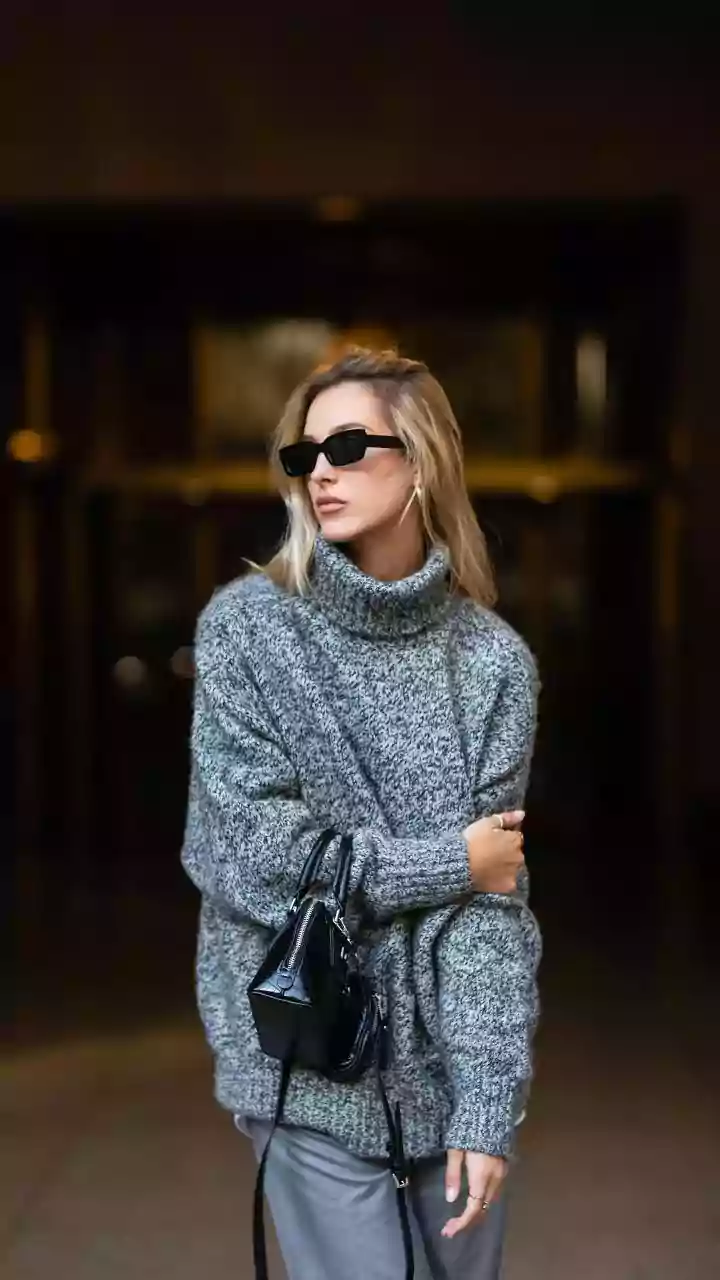
Individual expression lies at the heart of fashion. It allows people to express their identities and personalities. Personal style transcends following trends, as it involves making conscious choices, selecting garments that align with personal values, and creating a unique signature. The fashion choices made reveal interests, affiliations, and viewpoints. The rise of streetwear, upcycling, and sustainable fashion highlights the desire for self-expression and individualism. Consumers are increasingly seeking authenticity and making ethical decisions. People are encouraged to experiment with different styles and trends, developing their unique sense of fashion. This allows for constant experimentation and creativity within an evolving landscape.
The Future of Trends
The fashion industry continues to shift, impacted by environmental consciousness and the growing demand for sustainability. Designers are exploring eco-friendly materials and ethical production processes, leading to a focus on sustainable practices. The rise of the circular economy is promoting the reuse and recycling of garments. Furthermore, inclusivity and body positivity are becoming central, with a broader range of sizes, shapes, and skin tones being represented. Personalisation will likely be a significant trend, as consumers demand clothing that matches their needs. Technology will continue to play a pivotal role, with AI and data analytics influencing design, production, and consumer experiences. Fashion's future will be both innovative and conscious.