


Know Your Crust
Before diving into toppings, understand that pizza styles vary dramatically between establishments. Some pizzerias specialize in thick, doughy bases, while
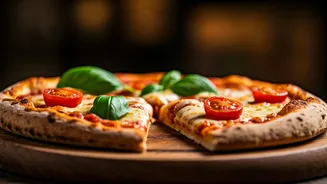
others excel at thin, crisp crusts. Ordering without this knowledge can lead to disappointment if you receive a style that doesn't align with your expectations. Always take a moment to review the menu's description of their pizza styles to ensure you're getting the texture and base you desire, whether you prefer a chewy New York slice or a Neapolitan char.
Tops on Toppings
While it's tempting to load up your pizza with every topping imaginable, this can often be detrimental to the overall quality. An excessive amount of ingredients can weigh down the pizza base, making it prone to becoming soggy and losing its structural integrity. Furthermore, a multitude of toppings can overwhelm the palate, making it difficult to appreciate the individual flavours. Aim for a thoughtful combination that complements, rather than competes, to achieve a harmonious taste experience.
Crispness Caution
Requesting an 'extra crispy' pizza, while seemingly a good idea, can sometimes backfire and result in an overcooked product. Pizzas are typically baked at very high temperatures, and even a slight increase in cooking time can lead to a dry, brittle crust or burnt edges. For optimal flavour and texture, it's often best to trust the standard baking process, which is designed to deliver a perfectly cooked pizza without compromising its integrity.
Menu Mindfulness
It's surprisingly easy to overlook crucial details when placing an order, especially when navigating a lengthy menu. Pizzerias usually provide comprehensive lists of available ingredients, sauces, and preparation methods. Failing to read this information thoroughly might mean you inadvertently order something that conflicts with your dietary restrictions or personal preferences, leading to an undesirable outcome.
Pre-Slice Pitfalls
Opting for a pre-sliced pizza, though convenient, can sometimes compromise its quality. The act of cutting the pizza while it's still piping hot allows heat to escape more rapidly, which can diminish the crispness of the crust. Delaying the slicing until just before you're ready to serve it helps to retain that desirable textural integrity and warmth for a better eating experience.
Size Matters Most
A common oversight is not paying adequate attention to pizza size and the value it offers. Generally, purchasing one large pizza often proves more economical than ordering multiple smaller ones. Always compare the dimensions and prices to ensure you're getting the best deal and the most pizza for your money.
Hunger-Induced Orders
Ordering when you're ravenously hungry can lead to impulsive decisions and overconsumption. In this state, you're more likely to add excessive items to your order, resulting in far more food than you can comfortably eat. This often leads to waste and can strain your budget unnecessarily.
Balance Your Meal
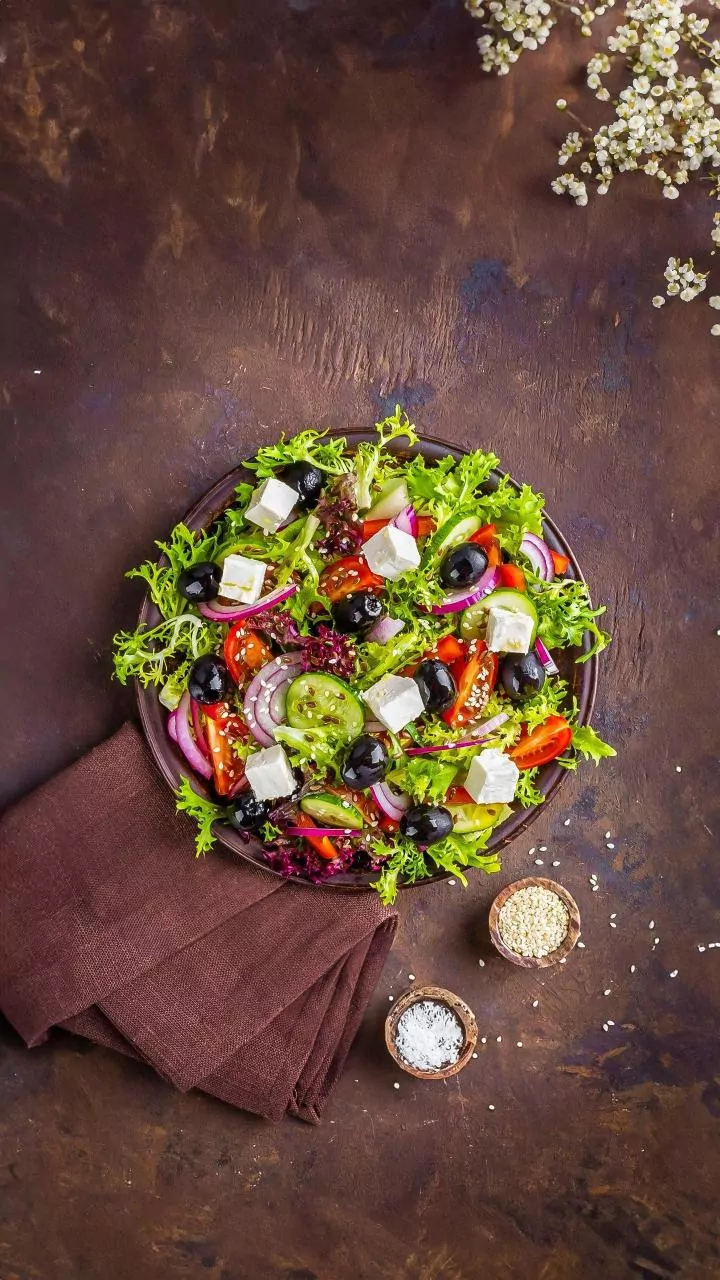
While pizza is a satisfying main course, it can sometimes feel heavy on its own. Incorporating complementary sides, such as a fresh salad or a light beverage, can create a more well-rounded and enjoyable meal experience. This balance not only adds variety but also helps to mitigate the heaviness often associated with a pizza-centric dinner.
Confirm Before Clicking
Mistakes in pizza orders, whether it's the wrong toppings, incorrect size, or an unintended quantity, are surprisingly common. Taking a brief moment to meticulously review all the details of your order before finalizing it is a simple yet highly effective step to prevent disappointment and ensure you receive exactly what you intended.
Peak Time Planning
The timing of your pizza order can significantly impact its arrival and quality. During peak hours, pizzerias are often swamped, leading to longer wait times and potential compromises in freshness. Ordering slightly earlier or later than the busiest periods can help ensure your pizza arrives hotter and more promptly.
Delivery vs. Dine-In
It's important to maintain realistic expectations regarding delivery pizzas. The journey from the oven to your doorstep inevitably affects the pizza's texture. Even a perfectly prepared pizza may lose some of its initial crispness during transit. Understanding this difference between dine-in and delivery quality will help prevent any disappointment.