




Fuel Delivery Differences
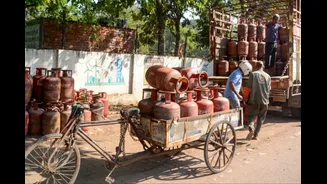
The most apparent distinction between LPG and PNG lies in their delivery mechanisms. LPG is supplied in pressurized cylinders that require regular booking
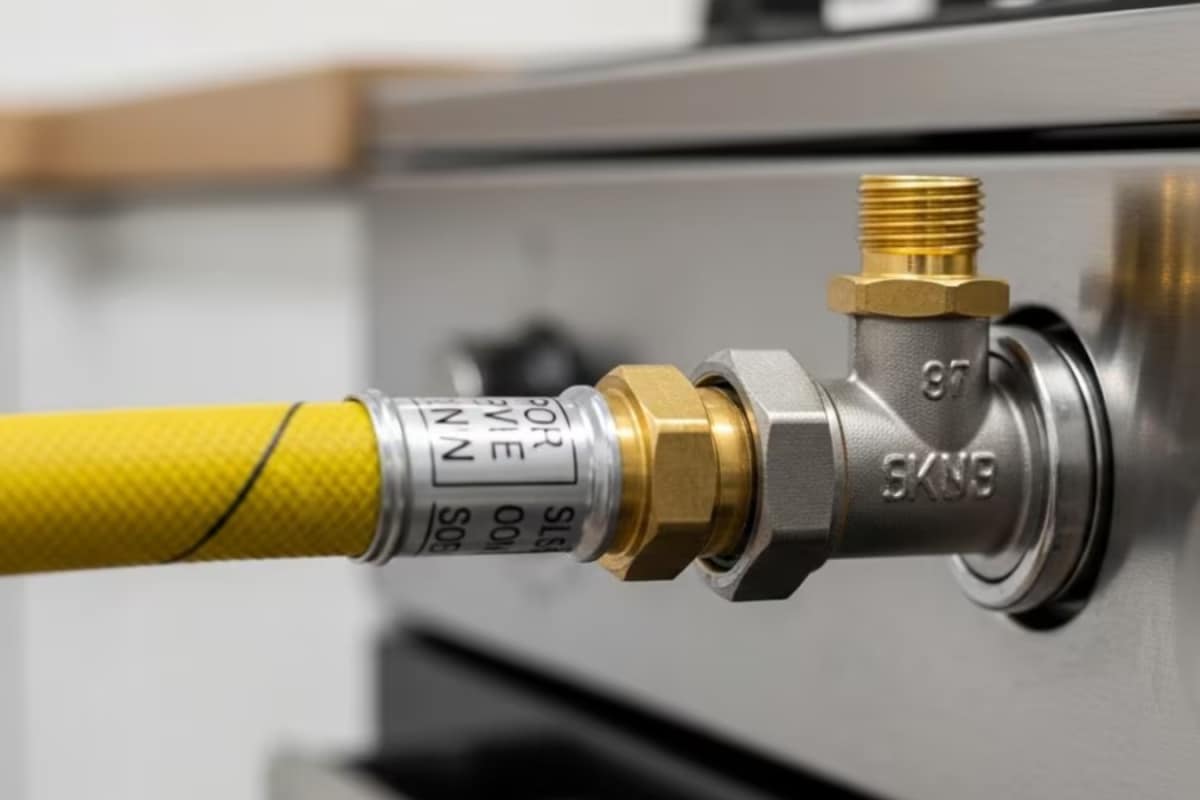
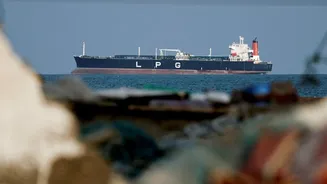
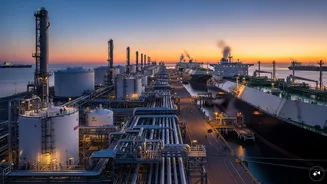
and refilling, making its availability a cyclical affair dependent on transport logistics and dealer networks. In contrast, PNG flows continuously through an extensive underground pipeline system directly to households, eliminating the need for refills and offering an uninterrupted supply. This infrastructural difference becomes particularly significant during times of global energy market volatility, as disruptions impacting traditional shipping routes can affect LPG availability more profoundly than the localized PNG network. For instance, tensions in crucial shipping lanes like the Strait of Hormuz have previously highlighted LPG's supply chain vulnerabilities, whereas PNG users typically remain insulated due to the robust and integrated pipeline infrastructure.
Import Dependence & Supply Security
India's reliance on imported energy sources plays a significant role in the supply security of kitchen fuels. While some LPG is produced domestically, a substantial portion is imported to meet the nation's demand. Official figures indicate that out of approximately 31.3 million tonnes of LPG consumption projected for 2024–25, domestic production accounts for around 12.8 million tonnes, necessitating imports for the remainder. A considerable part of this imported LPG is sourced through routes traversing the Persian Gulf, making it susceptible to geopolitical conflicts or shipping disruptions. PNG, on the other hand, is often part of a larger, domestically managed city gas distribution network. Its primary component, methane, is transported via underground pipelines, mitigating the risks associated with international maritime trade. This integrated network ensures that PNG supply remains largely unaffected by external factors, offering a more stable and secure option for consumers.
Safety and Storage Aspects
The physical properties and storage methods of LPG and PNG present different safety considerations for households. LPG is stored under pressure within cylinders. Due to its density, LPG is heavier than air, meaning that in the event of a leak in a poorly ventilated area, the gas can accumulate near the floor, posing a potential fire or explosion hazard. PNG, predominantly composed of methane, is lighter than air. If a leak occurs, PNG tends to disperse upwards more rapidly into the atmosphere. While this characteristic reduces the risk of localized accumulation at ground level, it does not render PNG entirely risk-free. Both fuels require careful handling and adherence to safety protocols. However, the behavior of PNG in case of a leak, its tendency to dissipate quickly in the air, offers a distinct safety profile compared to the potential ground-level pooling of LPG.