
Defining Current Styles
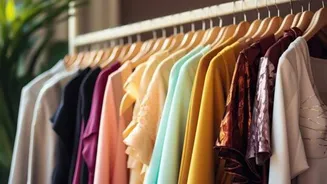
The fashion world is a whirlwind of styles that come and go. Currently, key trends are emerging and setting the tone. One prominent style is the resurgence
of vintage fashion, with pieces from past decades finding their way back into wardrobes, often reworked and updated. Minimalist aesthetics remain influential, focusing on clean lines, neutral colors, and functional designs. Simultaneously, maximalism is experiencing a revival, embracing bold colors, patterns, and embellishments, allowing for self-expression through clothing. Athleisure continues to thrive, seamlessly blending athletic wear with everyday fashion, emphasizing comfort and versatility. Furthermore, gender-neutral styles are gaining traction, breaking down traditional boundaries and promoting inclusivity in fashion. These overlapping trends indicate a diverse fashion landscape offering something for everyone.
Influences on Design
Many factors impact the trajectory of fashion design. Cultural shifts play a significant role. Social movements, economic changes, and global events influence designers to create collections reflecting these realities. The styles are often inspired by diverse cultures and traditions, leading to exciting fusion looks. Celebrities and influencers also greatly impact fashion, with their choices quickly influencing consumer preferences. Social media platforms and online communities help spread these trends, making them accessible. Emerging technologies also play a role, from digital design tools to the use of sustainable materials and production techniques. The influence of art, music, and nature also provides rich inspiration for fashion, with designers often incorporating these elements into their creations, adding depth to their work.
Sustainability in Fashion
Sustainability has become essential in fashion, with consumers and designers alike focusing on ethical production and environmental responsibility. The industry is moving towards sustainable practices, using eco-friendly materials such as organic cotton, recycled polyester, and innovative textiles like mushroom leather. Brands are adopting fair labor practices to improve working conditions and reduce the environmental impact of manufacturing processes. Circular fashion, which focuses on reducing waste through recycling, upcycling, and extending the lifespan of clothing, is growing. Consumers are becoming more conscious and seeking brands that align with their values. This includes purchasing from brands committed to transparency, fair trade, and environmental conservation. These developments indicate the industry's evolution towards a more eco-conscious model.
Inclusivity and Representation
Inclusivity is gaining importance in fashion. This involves expanding representation in terms of size, ethnicity, gender identity, and abilities. The fashion industry is evolving to showcase diverse bodies and faces. Brands are creating size-inclusive collections and campaigns that feature people of different shapes and sizes. Fashion shows and editorials increasingly feature models from varied ethnic backgrounds, promoting a more diverse representation. Gender-fluid and gender-neutral styles are becoming mainstream, offering more choices. Adaptive clothing is emerging, aiming to provide stylish and functional clothing options for people with disabilities. This shift towards inclusivity ensures fashion reflects society and embraces the beauty of diversity. Efforts to promote inclusivity help ensure that all individuals feel seen and celebrated, creating a more welcoming industry.
The Future of Fashion
Fashion is always evolving, and the future holds exciting possibilities. Digital technology will continue transforming design, production, and retail. Virtual and augmented reality are set to change how consumers experience fashion, allowing them to try on clothes virtually and engage with brands in immersive ways. Artificial intelligence is being used for trend forecasting, personalized recommendations, and efficient supply chain management. The focus on sustainability will remain a central driving force. Innovations in sustainable materials and ethical production will reshape the industry, setting a new standard. Personalization and customization will allow consumers to create unique products that reflect their styles and values. These changes suggest a future where fashion is more innovative, sustainable, and inclusive. The ability of fashion to adapt to technological advances while maintaining its core appeal will define its future trajectory.