






Beat the Heat: Smart Clothing
As the mercury rises, dressing your newborn requires a focus on breathable comfort. Opt for lightweight, loose-fitting garments made from natural fibers
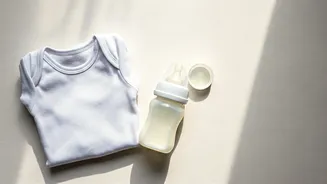
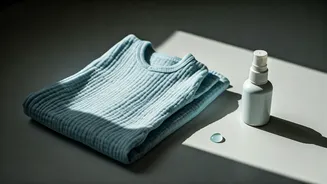
like cotton, which allow for better air circulation and prevent overheating. Avoid bundling your baby excessively, even when swaddling; prioritize their comfort over traditional practices or appearances. For protection against pesky mosquitoes that are more prevalent in summer, ensure your baby is covered with long-sleeved shirts and pants or a full-length onesie. To further deter bites, consider using mosquito nets over cribs and applying repellent patches to their clothing instead of directly on their delicate skin. This approach offers effective protection without exposing your baby to potentially irritating chemicals.
Creating a Cool Haven
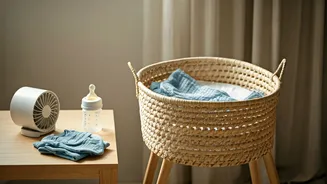
Maintaining a comfortable ambient temperature is crucial for your baby's well-being during hot summer days. If you choose to use air conditioning, set the thermostat to a moderate 26°C or higher to avoid drastic temperature changes. When using a fan, ensure it's not directly aimed at your baby to prevent chilling or discomfort. Open windows during cooler parts of the day to promote natural ventilation, but always make sure they are fitted with mesh screens to keep out insects and mosquitoes. A well-ventilated yet secure environment contributes significantly to your baby's peaceful sleep and overall comfort.
Hydration Essentials for Baby
For exclusively breastfed newborns and infants, additional water is generally not necessary during summer months. Breast milk is formulated to provide ample hydration to meet their thirst requirements. The key is for the breastfeeding mother to maintain a high fluid intake herself throughout the season to ensure a sufficient milk supply. You can monitor your baby's hydration by observing their urine output, which should ideally be at least 6-8 wet diapers within a 24-hour period. For babies consuming pumped or formula milk, proper storage is vital. Pumped milk must be refrigerated and used within 3 hours if left at room temperature. Any leftover formula milk should be discarded within 2 hours, and reheating is not recommended, to prevent bacterial growth and ensure safety.
Nurturing Delicate Skin
Regular oil massages can significantly benefit your baby's sleep patterns and aid in their neurological development. After a massage, a lukewarm bath or sponge bath is recommended. Pay close attention to skin folds in areas like the neck, underarms, and groin, as these can retain sweat and moisture, leading to rashes or fungal infections. Gently wipe these areas dry and promptly change wet diapers and clothing to maintain cleanliness. Maximizing diaper-free time during the day can also help keep the skin healthy. While wet wipes are convenient, they can sometimes cause irritation when used frequently; opting for running water or a soft, damp cotton cloth is a gentler alternative. Avoid using talcum powder routinely, as it can pose respiratory risks if inhaled and may clog pores.
Recognizing Summer Distress
It's important to be aware of potential signs of heat-related issues in your newborn. If your baby feels warm or exhibits a fever during the summer, it could indicate dehydration. In such cases, first unwrap any excessive clothing and offer a feed, which can help rehydrate and may lower their temperature. Monitor their temperature again. However, if your baby continues to have a high temperature, appears lethargic, is unusually irritable, shows no urine output for over 6 hours, or refuses to feed, it's crucial to consult your pediatrician immediately. Prompt medical attention is vital for any persistent signs of distress.