




Bhutan's Sacred Summit
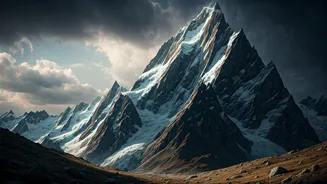
Standing tall at 7,570 meters, Gangkhar Puensum in Bhutan holds the title of the highest mountain globally that has never been summited. Its untouched
status is not due to insurmountable climbing challenges, but rather the profound respect Bhutanese culture has for its mountains, which are considered sacred sites. Consequently, mountaineering activities are strictly prohibited in the country, preserving the pristine nature of Gangkhar Puensum and deterring any would-be climbers from attempting an ascent. This cultural reverence ensures that this colossal peak remains a symbol of untouched natural grandeur, a silent sentinel in the Himalayan landscape, unburdened by human ambition for conquest.
Himalayan's Treacherous Beauty
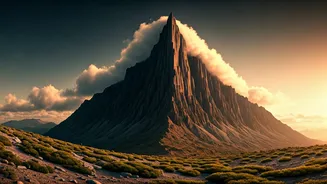
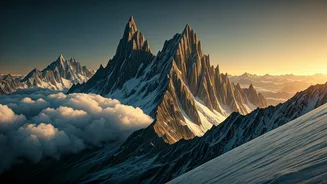
Labuche Kang III, a formidable peak within the vast Himalayan range, presents a compelling case as the tallest mountain not officially forbidden to climbers. Despite numerous expeditions having ventured close to its summit, the mountain fiercely guards its secrets. The treacherous terrain is characterized by perilous crevasses that lie hidden beneath the snow, sheer ice walls that demand exceptional skill and courage, and the ever-present threat of severe and unpredictable weather patterns. These extreme conditions have repeatedly forced even the most determined climbers to retreat, highlighting the raw power and unforgiving nature of this majestic, yet unyielding, peak.
Spiritual Peak's Vow
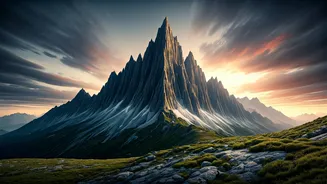
Mount Kailash, a mountain of immense spiritual significance, is revered by followers of multiple major religions, including Hinduism, Buddhism, Jainism, and Bon. Its sacred status dictates that climbing it is strictly forbidden, a vow upheld out of deep respect for its divine associations. While its majestic presence undoubtedly beckons to mountaineers, the spiritual imperative to preserve its sanctity overrides any desire for personal achievement. This unwavering reverence ensures that Mount Kailash remains a hallowed ground, untouched by the boots of climbers, its spiritual aura undiminished by the pursuit of alpinism.
Antarctica's Isolated Giant
In stark contrast to the high-altitude giants, Mount Siple in Antarctica presents a unique challenge not of height, but of profound isolation. This volcanic massif, while not exceptionally tall, is situated in one of the most remote and inaccessible regions on Earth. The sheer difficulty in reaching even its base, coupled with the extreme environmental conditions of the Antarctic continent, has meant that no climbing expedition has ever seriously attempted to ascend its slopes. Its allure lies not in its summit's elevation, but in its status as a testament to the power of extreme remoteness and the logistical nightmares it presents to exploration.
Karakoram's Hidden Gems
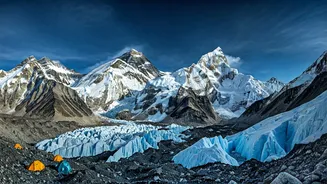
The Karakoram range is home to Summa Ri I and II, two peaks that remain untouched by human ascent. Their summits are veiled by a combination of extreme remoteness, the constant threat of devastating avalanches, and access routes that are fraught with peril. Reaching these mountains is an expedition in itself, demanding extensive planning and resources. The unforgiving environment and the sheer technical difficulty of the climbs have thus far prevented any climber from successfully standing on their summits, leaving these peaks as pristine monuments in one of the world's most rugged mountain landscapes.
Barriers to Ascent
The enduring mystery of why certain peaks remain unclimbed stems from a confluence of factors that render them either practically impossible or culturally inappropriate to conquer. For mountains like Mount Kailash, deep-seated religious beliefs dictate that they should not be scaled, earning them voluntary respect from the climbing community. Others present formidable natural hazards, such as unstable ice formations, deceptive hidden crevasses, and an ever-present risk of avalanches, making them exceptionally dangerous. Furthermore, many of these remote giants require weeks of arduous travel just to reach their foothills, presenting immense logistical hurdles. In some instances, government regulations add another layer of restriction, while for others, the sheer technical complexity of the ascent means that no expedition has yet found the key to reaching their coveted summits.