


Emerging Styles Spotlight
The fashion landscape in India is consistently evolving, with various emerging styles capturing attention. Traditional wear, reimagined with contemporary
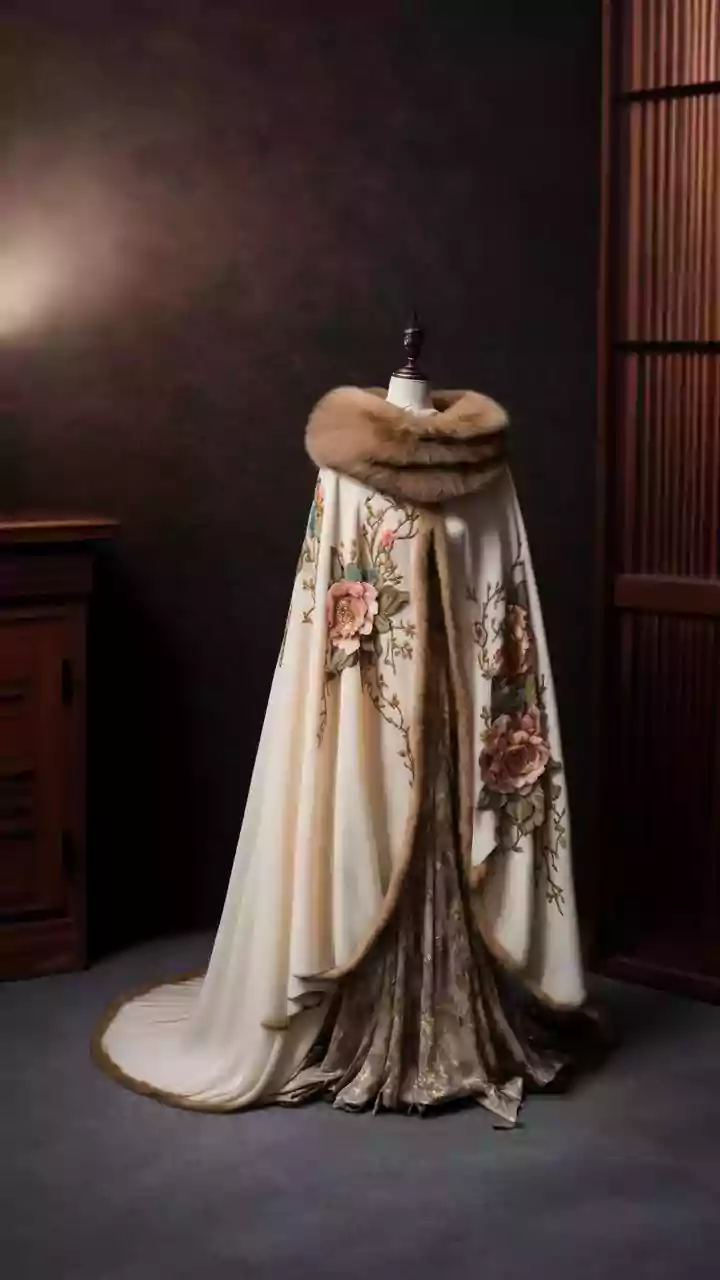
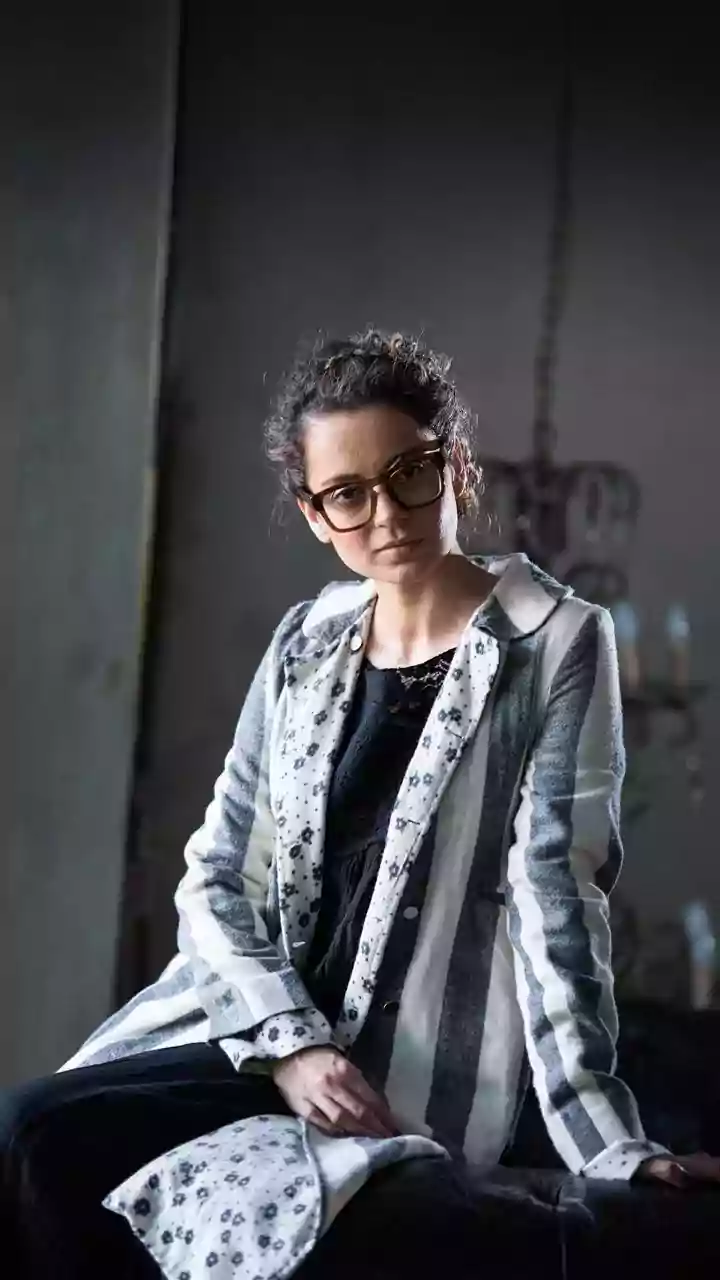
twists, remains crucial. Designers are innovating by blending heritage techniques with modern aesthetics. Think of exquisite sarees with edgy blouses or kurtas pairing seamlessly with tailored trousers. Simultaneously, modern silhouettes, like oversized tunics and statement jackets, are gaining popularity, demonstrating the demand for comfortable yet stylish outfits. Sustainable fashion practices are also coming to the forefront, as consumers increasingly seek eco-friendly and ethically produced clothing options. This involves adopting natural fabrics and supporting local artisans, which is changing how designers and consumers think about style and value.
Key Pieces: Essentials
Certain essential pieces define the Indian fashion scene right now. A classic saree remains a wardrobe staple, but the focus is on experimentation with fabrics, embellishments, and draping styles. Stylish kurtas, available in various lengths, fabrics, and designs, offer versatility. They pair well with leggings, palazzos, or even jeans for a fusion look. Statement tops, including off-shoulder blouses and bold tunics, add a touch of glamour, while well-fitted trousers, from classic straight-leg styles to wide-leg palazzos, elevate any outfit. A well-chosen dupatta is also crucial; it adds elegance and can transform a simple ensemble into something extraordinary. These pieces allow for endless combinations, reflecting the dynamic nature of Indian fashion.
Influence of Colors
Colors play a pivotal role in setting trends. Vibrant hues continue to be popular, celebrating the country's rich culture. Deep reds, royal blues, and emerald greens remain timeless choices, often seen in festive wear. However, softer pastels and earthy tones are gaining momentum. These shades offer a refreshing contrast, perfect for both everyday and special occasions. The use of metallic accents, such as gold and silver embroidery, also contributes to the aesthetic, adding luxury and sophistication to designs. Moreover, color palettes draw inspiration from nature, showcasing the beauty of the seasons and regional landscapes. This variety allows individuals to express their personal style and stay in sync with the current fashion trends.
Fabric and Texture
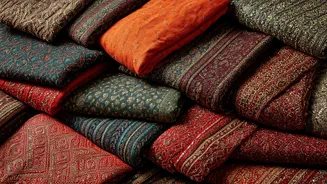
Fabrics and textures considerably influence the overall look and feel of Indian fashion. Luxurious silks are always in demand, especially for weddings and celebrations. The richness of silk, coupled with intricate embroidery and embellishments, adds a regal touch. Cotton, known for its breathability and comfort, continues to be a favorite choice, often seen in casual and everyday wear. Linen, which is another popular fabric, adds a touch of sophistication, and is ideal for warm climates. The use of handloom fabrics, promoting traditional craftsmanship, is also gaining significance. The combination of different textures, like mixing smooth silk with textured embroidery or pairing crisp cotton with soft linen, creates depth and visual interest in designs, appealing to a wide range of tastes.
Fusion Fashion Flourishes
Fusion fashion, blending traditional and modern elements, is gaining widespread acceptance in India. Designers are skillfully merging Indian silhouettes with western influences. This results in innovative and versatile outfits. Examples include pairing a traditional saree with a modern blouse or wearing a kurta with jeans. The integration of global trends, like layering and mixing patterns, further enriches the fusion style. This trend is driven by the desire for contemporary designs that also celebrate cultural heritage. It allows individuals to showcase their unique fashion sense. This blend reflects a modern, adaptable mindset that resonates across India's fashion landscape, resulting in an array of fresh and exciting styles.