


The Abundance Paradox
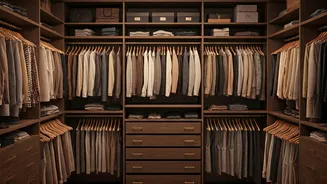
Many individuals, particularly women, find themselves facing a closet brimming with garments, yet proclaiming they have 'nothing to wear.' This common
contradiction arises despite unprecedented access to clothing. The modern wardrobe, far from being a source of creative inspiration, has become a space of considerable overwhelm. What was once a straightforward task of selecting an outfit can now feel like a paralyzing chore. The ease of online shopping, the rapid cycles of fast fashion, and the constant influx of new styles from retailers releasing hundreds of designs weekly have dramatically expanded the contents of our closets. Coupled with social media's perpetual fashion discourse, this fuels a pressure to continually update wardrobes to keep pace with fleeting trends. Consequently, as our physical clothing collections grow, our genuine satisfaction with them often diminishes, leading to feelings of being less stylish and more uncertain about our sartorial choices.
Decision Fatigue Unpacked
Psychologists have long investigated the phenomenon where an excess of options, rather than granting freedom, can paradoxically lead to the opposite effect: decision fatigue. When faced with too many choices, our cognitive resources become depleted, making even simple decisions feel arduous. Fashion stylists observe this directly in clients who often feel they have nothing suitable to wear because their wardrobes are overloaded with individual pieces rather than versatile staples. Many closets are assembled around distinct outfits rather than a cohesive system of adaptable items that can be mixed, matched, and restyled. This accumulation often includes trend-driven pieces, impulse buys, and sale bargains that, while appealing in theory, fail to create a cohesive look when it comes time to get dressed. The fundamental issue becomes building a wardrobe as a collection of disparate items rather than a well-integrated system.
The Dopamine Shopping Cycle
The way we shop has evolved, often becoming linked to short-lived bursts of dopamine. The thrill of spotting a desirable trend online, placing an order, and anticipating its arrival can provide a temporary emotional high. However, this satisfaction is fleeting. This pattern leads to wardrobes filled with disconnected pieces rather than cohesive collections. Individuals may purchase items based on an immediate appeal, only to later realize they don't truly suit their personal style or integrate with their existing clothing. This cycle can result in accumulating years of impulse purchases, transforming the daily act of getting dressed from an enjoyable ritual into a stressful obligation. The dopamine rush associated with acquisition fades, leaving behind a closet filled with items that don't necessarily serve the wearer's evolving needs or aesthetic.
Social Media's Style Influence
Social media platforms, such as TikTok and Instagram, introduce a constant stream of new aesthetics, trends, and styling formulas. This continuous visual input can blur the lines of personal style, leading individuals to adopt outfits seen online rather than dressing from a genuine sense of identity. When bombarded with diverse visual influences, it becomes more challenging to discern what truly resonates on a personal level. The outcome is often a wardrobe stocked with pieces that may appear exciting in isolation but struggle to function harmoniously in everyday life. Fashion psychologist Shakaila Forbes-Bell notes that this external influence can lead to purchases driven by the temporary pleasure of acquisition rather than long-term satisfaction, causing items to quickly lose their emotional value.
Cultivating Intentional Style
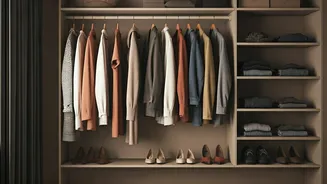
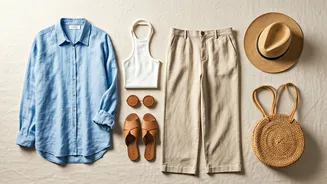
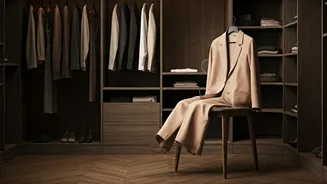
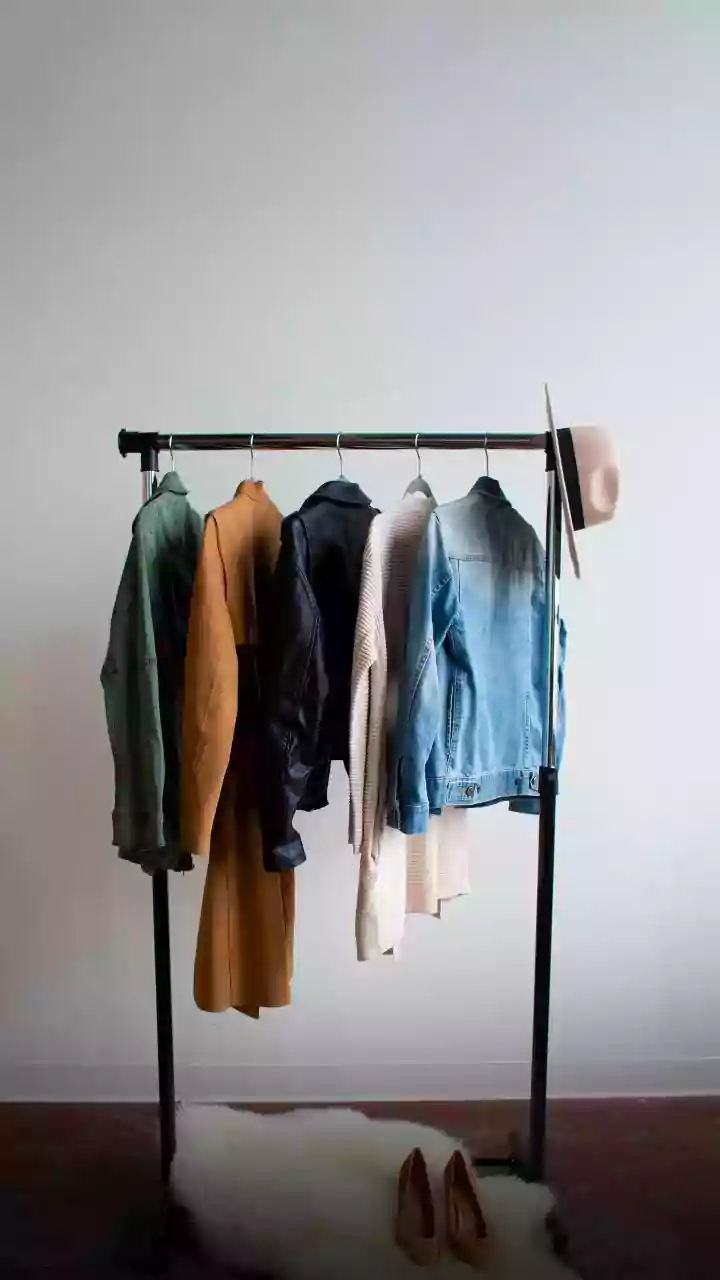
Ironically, achieving a sense of style often involves a reduction in clothing choices rather than an increase. What is perceived as effortless style is typically a result of consistency and cohesion, not constant experimentation. The path forward involves thoughtful curation and editing of one's wardrobe. Identifying recurring preferences in shapes, colors, and fabrics is key to building a foundation. Social media should serve as a supplementary tool, not a directive. Establishing 'anchor pieces' – reliable wardrobe foundations like a well-fitting blazer, classic jeans, or a perfect white t-shirt – makes it significantly easier to integrate trendier or statement items. The goal is to create an 'evergreen wardrobe' built on reliable silhouettes and colors that complement the wearer, fostering a sense of clarity and confidence.
Reconnecting Identity and Wardrobe
A subtle but growing cultural shift is emerging in response to the chaos of contemporary wardrobes. More individuals are prioritizing clarity over novelty, opting to refine their closets to include only pieces that genuinely work for them. This may manifest as adopting a personal uniform or investing in brands whose collections are designed to integrate seamlessly with existing garments, rather than competing with them. The core of this movement is learning to dress for one's authentic self. Understanding what styles and garments truly suit an individual makes a significant difference. Instead of overcompensating by acquiring more clothes, happiness is found in fewer items that genuinely fit and flatter. The 'nothing to wear' paradox highlights a fundamental disconnect between the clothing we own and our personal identity. When wardrobes become trend archives rather than reflections of self, getting dressed can feel impersonal. Conversely, when clothing is chosen with intention and personal style emerges through familiarity and repetition, the daily ritual becomes simplified and enjoyable.