



Oats' Superfood Status
Oats have earned their reputation as a health food primarily due to their rich content of beta-glucan, a special type of soluble fiber. This particular
fiber plays a significant role in slowing down the digestive process, which in turn contributes to a reduction in cholesterol levels over time. This characteristic is a major reason why oats are frequently recommended for supporting cardiovascular well-being. Scientific research has corroborated these effects, with studies indicating that regular consumption of beta-glucan can effectively lower LDL, or 'bad,' cholesterol. Beyond heart health, the high fiber content in oats also promotes a lasting feeling of fullness, aids in better digestion, and contributes to overall nutritional intake, making them a valuable component of a balanced diet when chosen and prepared appropriately. The form in which oats are consumed, along with an individual's unique physiological response, can influence the extent of these benefits.
The Sugar Spike Concern
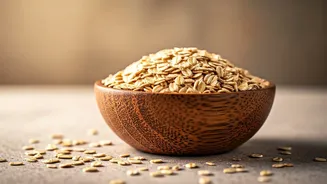
A critical aspect of oat consumption often overlooked is the impact of processing on how they affect blood sugar levels. Instant oats, due to their highly processed nature, are digested very rapidly. This quick breakdown can lead to a sudden and significant surge in blood glucose levels, which can be particularly problematic for individuals managing conditions like diabetes or insulin resistance. Flavored and instant varieties often contain added sugars and are subjected to more intensive processing, exacerbating this effect. In contrast, less processed forms like steel-cut or rolled oats are digested more slowly, offering a more gradual and stable release of glucose into the bloodstream, making them a generally preferable choice for maintaining balanced blood sugar.
Digestive and Nutrient Issues
While oats are lauded for their fiber, this high fiber content can sometimes lead to digestive discomfort for some individuals. A sudden increase in dietary fiber intake, especially without prior adaptation, can manifest as bloating, gas, or abdominal cramps. Beyond digestive challenges, oats also contain compounds called phytates. These naturally occurring substances can bind with essential minerals such as iron and zinc, thereby impeding their absorption by the body. While this doesn't negate the health benefits of oats, consuming them in very large quantities daily, without incorporating a diverse range of other foods, might reduce the overall mineral uptake. Therefore, a varied and balanced dietary approach is crucial to ensure adequate nutrient intake.
Who Needs Caution
Although oats are naturally gluten-free, they pose a risk for individuals with celiac disease or gluten sensitivity due to potential cross-contamination. Manufacturing facilities that process oats often also handle wheat, leading to trace amounts of gluten being present. Even minimal exposure can trigger adverse reactions in sensitive individuals. Furthermore, people experiencing sensitive digestion, those with poorly managed blood sugar levels, and individuals who rely too heavily on oats as their primary food source should exercise caution. It is important to remember that the perceived healthiness of any food, including oats, is significantly influenced by individual circumstances and the overall dietary pattern, rather than just the food item itself.
Daily Oat Consumption
Incorporating oats into a healthy diet can be beneficial, but they should not become the sole staple. Maintaining dietary variety is fundamental to good nutrition, ensuring a broad spectrum of essential nutrients. A practical strategy involves choosing less processed oat varieties, such as rolled or steel-cut oats, and pairing them with sources of protein and healthy fats to enhance satiety and slow digestion. Rotating oats with other nutrient-rich grains like millets or quinoa is also advisable. Crucially, paying attention to how one's body responds to oat consumption over time allows for personalized dietary adjustments. Ultimately, moderation, personalization, and a balanced approach are more significant than following food trends.