



Introduction to Acne
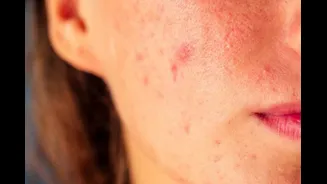
Acne, a common skin condition, arises when hair follicles become blocked by oil and dead skin cells, leading to pimples, blackheads, and whiteheads. While
it affects people of all ages, it's particularly prevalent during adolescence because of hormonal changes that increase oil production. Various factors, including diet, stress, and genetics, can contribute to acne. Conventional treatments range from topical creams to oral medications, but many people seek natural alternatives. Ayurvedic medicine offers a holistic approach that focuses on restoring balance within the body to promote skin health. This approach considers individual body types and offers remedies, like herbal treatments, dietary changes, and lifestyle adjustments, designed to heal and prevent breakouts.
Neem's Acne Fighting Power
Neem, a staple in Ayurvedic medicine, is celebrated for its potent antibacterial, antiviral, and anti-inflammatory properties, making it a star ingredient in the battle against acne. Neem works by targeting acne-causing bacteria, reducing inflammation, and preventing future breakouts. The oil extracted from neem leaves is often used in soaps, creams, and face washes. It clears pores, removes excess oil, and promotes the healing of existing pimples and blemishes. The bitter compounds within neem also help to detoxify the blood, further contributing to skin health. By incorporating neem into your skincare regimen, one can experience significant improvements in skin clarity and texture, leading to a healthier, more radiant complexion. Its multifaceted action ensures not only that current acne is addressed but also that the skin is fortified against future flare-ups.
Amla: Bright Skin Remedy
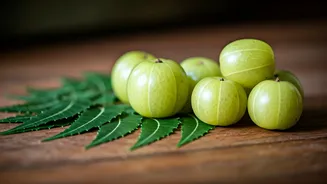
Amla, also known as Indian gooseberry, is packed with Vitamin C, a powerful antioxidant that rejuvenates the skin. It helps in the production of collagen, essential for skin elasticity and reducing the appearance of scars. Amla's antioxidant properties fight free radicals, which are known to cause skin damage and aging. Regular use of amla can help to brighten the skin, fade dark spots, and reduce acne scars, providing a more even skin tone. Incorporating amla into your skincare routine is simple. You can take it internally as a supplement or use amla powder in face masks and scrubs. Amla's benefits also extend to hair health, making it an excellent all-around remedy for both skin and hair. The synergistic effect of amla's antioxidants and collagen-boosting properties provides a comprehensive approach to skin health, making it a valuable addition to any skincare arsenal.
Combining Neem & Amla
Combining neem and amla offers a synergistic approach to combating acne, leveraging the strengths of each herb. Neem tackles bacteria and inflammation, while amla provides antioxidants and promotes skin repair. This combination works on multiple levels to create clear, healthy skin. For example, you can create a face mask by mixing neem powder with amla powder and applying it to your face for about 15 minutes before rinsing. This blend is particularly beneficial for those with oily or acne-prone skin. It cleanses pores, reduces inflammation, and brightens the complexion. The combined action of neem and amla provides a holistic treatment, not only addressing existing breakouts but also supporting long-term skin health. This dual approach maximizes the benefits, offering a more effective and comprehensive skincare solution that addresses multiple issues simultaneously.
Creating Your Regimen
Incorporating neem and amla into your skincare routine involves creating a personalized regimen to maximize their benefits. Start by identifying your skin type and concerns. For oily or acne-prone skin, a face wash containing neem can be used daily. Follow this with a toner or serum containing amla to provide antioxidant protection. Consider using a neem and amla face mask once or twice a week to deeply cleanse and nourish your skin. Dietary adjustments, such as including amla juice or powder in your daily diet, can further enhance the skin-clearing effects. Drink plenty of water and maintain a balanced diet. Consistency is key when it comes to seeing results. Be patient and give your skin time to adapt to the new routine. Over time, you can adjust the frequency and products to suit your skin's needs.
Important Considerations
When incorporating neem and amla into your skincare routine, consider potential side effects and interactions. Conduct a patch test before applying new products, especially if you have sensitive skin, to check for any allergic reactions. Pregnant or breastfeeding women should consult with a healthcare professional before using herbal remedies, as some herbs might not be suitable. While neem and amla are generally considered safe, excessive use can sometimes lead to skin dryness or irritation. It's crucial to follow product instructions and adjust the frequency of use according to your skin's reaction. Also, seek professional advice if you experience severe breakouts or if your acne doesn't improve after a few weeks of use. Remember, a holistic approach that incorporates diet, lifestyle, and proper skincare will yield the best outcomes for healthy skin.