
Idli: The Classic
Idli, a steamed savory cake, reigns as a breakfast staple across South India. Originating centuries ago, this dish is crafted from a fermented batter of
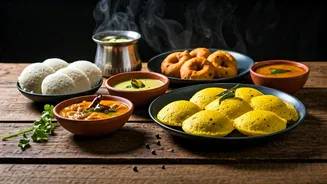
rice and urad dal (black lentils). The fermentation process is critical, as it contributes to the signature fluffy texture and a slightly tangy flavor. The batter is poured into molds and steamed, resulting in a soft, cloud-like idli that is light and easily digestible. Traditionally, it's served with sambar (a lentil-based vegetable stew) and coconut chutney. Idli's simplicity makes it a versatile choice, offering a balanced combination of carbohydrates and protein, making it ideal for a nutritious and satisfying start to the day. The gentle steaming preserves its nutrients, making it a healthy breakfast option.
Dhokla: Gujarati Delight
Originating from Gujarat, Dhokla is a steamed snack made from fermented batter, similar to idli but with a distinct flavor profile. The batter typically includes gram flour (besan), yogurt, and spices, which are then steamed until fluffy. Often, the steamed Dhokla is tempered with mustard seeds, chilies, and curry leaves for added flavor. This dish offers a blend of tangy, sweet, and savory notes, making it a crowd-pleaser. Dhokla is often enjoyed with a variety of chutneys, such as coriander or tamarind, enhancing its taste. Its light and airy texture makes it a great choice for breakfast or as a snack. Moreover, Dhokla is a nutritious choice, packed with protein from the gram flour and easily digestible, making it a favorite across India.
Khaman: Another Gujarati
Khaman, another beloved Gujarati snack, shares similarities with Dhokla but has distinct variations in preparation. Made primarily from a batter of gram flour, it is also fermented and steamed. Unlike Dhokla, Khaman is usually flavored with lemon juice and a specific blend of spices, adding to its tang. Once steamed, it's often tempered with mustard seeds, asafoetida, and green chilies. The texture of Khaman is slightly softer and fluffier compared to Dhokla. It is typically served with chutneys, with the combination creating a balanced and flavorful bite. Khaman is known for its quick preparation and is a great source of protein. Its gentle steaming retains nutrients, making it a healthy and satisfying option, whether consumed for breakfast or as an anytime snack.
Puttu: Kerala's Pride
Puttu, a steamed cylindrical cake, is a Kerala specialty made from rice flour and coconut. The rice flour is layered with grated coconut, and the mixture is steamed in a special puttu steamer, which provides its unique shape. The layers of rice flour and coconut create a harmonious mix of textures and flavors. Typically, Puttu is served with kadala curry (black chickpea curry) or with banana and sugar, offering a balanced contrast. It's a breakfast staple, cherished for its simplicity and comforting taste. The steaming process helps retain the nutritional value of rice and coconut, making it a wholesome and fulfilling choice for breakfast. Puttu is a testament to Kerala's rich culinary traditions.
Idiyappam: String Hoppers
Idiyappam, also called string hoppers, is a breakfast item made from rice flour. The rice flour dough is pressed through a sevai maker to create thin noodles, which are then steamed. This steaming process creates a delicate, soft texture that melts in the mouth. Idiyappam is usually served with vegetable stew, egg curry, or coconut milk, providing a range of complementary tastes and textures. The dish is popular across South India and Sri Lanka, showcasing regional variations in preparation and serving styles. Idiyappam's lightness and versatility make it a perfect breakfast option, also easily digestible. It represents the simple, yet profound, flavors of Southern Indian cuisine.
Modak: Sweet Steamed Treat
Modak, a sweet dumpling, holds a special significance in Maharashtra, particularly during the festival of Ganesh Chaturthi. It’s made from rice flour dough and filled with a sweet mixture of coconut and jaggery, which is then steamed. The dumpling's shape is both visually appealing and traditional. The outer layer is soft, while the filling is sweet and rich. Modaks are offered to Lord Ganesha as a symbol of prosperity. The steaming process helps preserve the delicate sweetness and the nutritional value of its ingredients. Eating modaks is considered auspicious, and it represents a celebration of tradition and festive joy. Modak is a treat that brings communities together and celebrates cultural heritage.
Momos: Himalayan Influence
Momos are steamed dumplings that have their roots in the Himalayan regions and are popular in many parts of India. These dumplings typically have a filling of minced meat or vegetables, seasoned with spices, and wrapped in a thin dough. They are then steamed to cook them. The steaming process ensures that the filling is cooked and the dough remains soft and tender. Momos are often served with a spicy chili sauce or a clear soup, offering a burst of flavor in every bite. They are a favored street food and breakfast item. Momos are known for their comfort food status, and they represent the cultural exchange between regions. Their versatility allows for countless variations in fillings and flavors.
Uttapam: South's Pancake
Uttapam, often called the South Indian pancake, is made from a fermented batter of rice and urad dal. The batter is similar to that of idli and dosa. The batter is poured onto a hot griddle and topped with various ingredients like chopped onions, tomatoes, and chilies. The uttapam is then cooked until both sides are lightly browned. The steaming process helps to create a fluffy texture and infuses flavors. Served with sambar and chutney, uttapam provides a delightful blend of textures and flavors. It is a hearty breakfast option, combining the goodness of fermented batter with flavorful toppings. Uttapam showcases culinary innovation, allowing many variations and personal preferences to come through.
Bati: Rajasthani Delight
Bati is a specialty from Rajasthan. It's a baked or steamed round bread made from wheat flour. The dough is shaped into balls and traditionally baked over a wood fire or steamed to get a golden crust. Bati is usually served with dal (lentil curry) and churma (sweet crumbled bread), creating a balance of flavors and textures. The steaming process ensures a soft and fluffy interior. Bati is a substantial breakfast, which reflects the region's culinary heritage, and is appreciated for its rustic simplicity and filling nature. The dish symbolizes the rich culinary history of Rajasthan and is often enjoyed during festive occasions. Bati provides essential carbs and protein, and is easily customizable with various fillings and spices.
Poha: Flattened Rice
Poha is a quick and easy breakfast dish made from flattened rice (poha). The poha is washed and then sautéed with onions, potatoes, mustard seeds, and spices. It's then steamed to soften the flattened rice and integrate the flavors. The dish is often garnished with coriander and lemon juice. This process adds a tangy and aromatic note. Poha is a popular breakfast choice across India, valued for its simplicity and quick preparation time. Its versatility allows for various regional twists in spices and toppings. The steaming helps retain nutrients and creates a light yet filling meal. Poha is a go-to option for a quick, healthy, and flavorful start to the day. It's easily customizable with various vegetables and spices.