







Quit Riding the Clutch
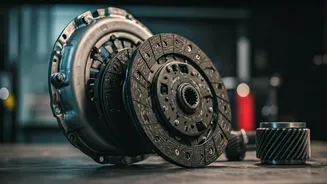
One of the most detrimental habits for your clutch is 'riding' it, which means keeping your foot resting on the pedal even when you're not actively shifting
gears. This action causes the clutch to remain partially engaged, creating constant friction between its components. This continuous friction generates heat and significantly accelerates wear, much like rubbing two surfaces together for extended periods. Over time, this leads to premature deterioration of the clutch plate and pressure plate. The best practice is to firmly lift your foot off the clutch pedal as soon as you’ve completed a gear change and ensure it’s fully released until the next shift is necessary. This allows the clutch components to disengage completely, reducing heat buildup and friction, thereby extending their operational life substantially.
Clutch Use: Only When Necessary
Your car's transmission is engineered to handle deceleration without constant clutch intervention. Employing the clutch unnecessarily, such as when you're rolling to a stop or simply coasting downhill, puts extra strain on the system. Instead of disengaging the clutch, allow your vehicle to slow down naturally while remaining in gear. This process, known as engine braking, not only reduces the workload on the clutch but also assists your primary brakes, lessening their wear and tear. By only using the clutch for its intended purpose – changing gears – you minimize unnecessary friction and prolong the life of this critical component, contributing to overall vehicle health and smoother performance.
Smooth Gear Shifts
Abrupt or violent gear changes can inflict significant damage on the delicate internal mechanisms of your gearbox. When shifting gears, aim for a smooth and deliberate action, ensuring you've brought the clutch pedal all the way up before accelerating. Shifting gears at appropriate engine revolutions per minute (RPM) is also crucial. Driving in too low a gear for your speed generates unnecessary strain, while waiting too long to shift up can also be detrimental. Matching your gear selection to the current driving conditions, whether accelerating, cruising, or climbing a hill, ensures the engine and transmission operate within their optimal parameters, thereby reducing stress and prolonging their functional life.
Conquer Inclines Wisely
Holding your vehicle stationary on an incline using only the clutch pedal is a surefire way to accelerate clutch wear. This technique forces the clutch plates to remain under constant, high pressure, generating excessive heat and rapid deterioration. Instead, it's far more beneficial to utilize your vehicle's brakes to maintain position on a slope. Once you're ready to move forward, smoothly engage the clutch while simultaneously releasing the brake. This method significantly reduces the burden on the clutch, preventing overheating and preserving its integrity for longer periods, which is essential for sustained performance and avoiding premature replacement costs.
Hands Off Gear Lever
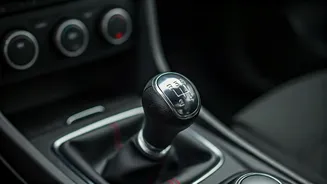
It might seem like a minor habit, but resting your hand on the gear lever while driving can inadvertently cause wear and tear on your transmission's internal components. When your hand applies even a slight pressure, it can push against the shift forks and other delicate parts inside the gearbox. Over extended periods, this constant subtle force can lead to premature wear and damage. The gear lever should only be actively used when you are changing gears. When not shifting, keep your hands on the steering wheel or elsewhere, allowing the transmission to operate without undue internal stress, thus contributing to its longevity and smooth operation.
Traffic Awareness Pays
Navigating stop-and-go traffic can be exceptionally hard on your clutch. The constant cycle of accelerating, braking, and shifting leads to increased clutch engagement and disengagement, thereby accelerating wear. To mitigate this, develop a keen awareness of your surroundings and anticipate the flow of traffic. By maintaining a safe distance from the vehicle ahead, you create space to allow for smoother deceleration and fewer instances of sudden braking or rapid gear changes. This proactive approach significantly reduces the frequency of clutch use, preserving its condition and contributing to better fuel efficiency during your commutes.
Regular Maintenance Matters
Consistent maintenance is a cornerstone of ensuring your clutch and gearbox function optimally. The transmission fluid plays a vital role in lubricating all the moving parts within the gearbox, reducing friction, and dissipating heat. It's crucial to adhere to your vehicle manufacturer's recommended service schedule for checking and changing this fluid. Furthermore, periodic inspections of the entire clutch system can help identify minor issues before they escalate into major problems. This diligent approach to maintenance can prevent catastrophic failures, extend the life of your components, and ultimately save you substantial repair expenses down the line.
Heed Warning Signals
Your vehicle will often signal when something is amiss with its clutch or gearbox. Pay close attention to any unusual sounds, such as grinding or whining, especially when shifting gears. Experiencing difficulty in moving the gear lever into its intended slot is another critical indicator. A slipping clutch, where the engine revs increase but the vehicle's speed doesn't proportionally, or a burning smell emanating from the clutch area, are all serious signs of impending failure. Promptly addressing these warnings by seeking professional inspection can prevent minor issues from spiraling into costly repairs, ensuring the longevity and safe operation of your vehicle.