


Paratha's Global Charm
The culinary world is abuzz with Anand Mahindra's public declaration of his fondness for paratha, a sentiment that has resonated with many, including Bollywood
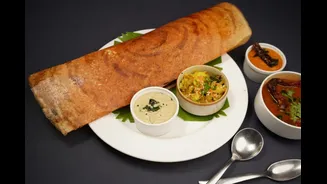
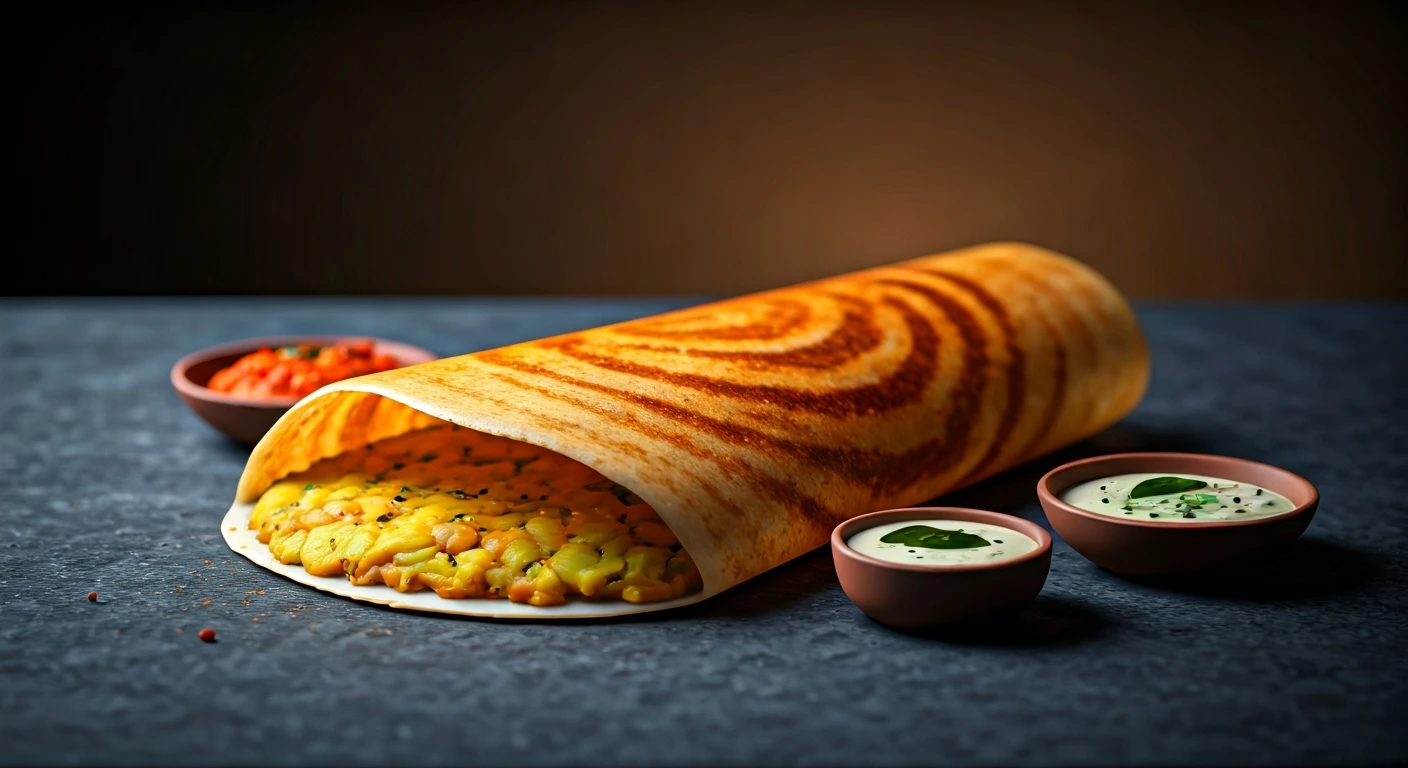
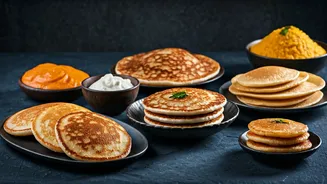
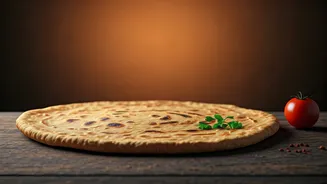
personalities. This cherished Indian bread, a delightful alternative to universally loved pizza, often sparks conversations about comfort food. Mahindra's latest post, showcasing the preparation of a colossal paratha, brought this beloved dish into the spotlight. The visual depicted a culinary artist expertly shaping and cooking a large, layered flatbread, ultimately slicing it like a pizza and serving it with traditional accompaniments like chutney, curd, and pickle, underscoring its visual and gustatory appeal. This shared enthusiasm highlights paratha's significant cultural presence and its ability to connect people through shared culinary experiences, proving that sometimes, the most beloved dishes are the ones closest to home.
Deconstructing the Paratha
At its core, a paratha is a delectable Indian flatbread, celebrated for its golden-brown hue, flaky texture, and intricate layers. Originating from the combination of 'parat' (layered) and 'atta' (flour), this dish is a testament to the art of dough manipulation. Typically enjoyed for breakfast, it's crafted from whole wheat flour, expertly baked using ghee, or clarified butter, resulting in a rich and satisfying flavor. Parathas come in a delightful array of shapes, from the classic round and triangular to the more adventurous square and heptagonal. What truly elevates the paratha is its versatility; it can be enhanced with a variety of fillings, such as spiced boiled potatoes, cauliflower, aromatic garlic and ginger, fiery chili, creamy paneer, or zesty radish. These stuffed variations are commonly served alongside tangy pickles, cooling yogurt, homemade chutneys, or hearty meat and vegetable curries. In Punjab, a traditional pairing involves lassi, a refreshing yogurt-based beverage. While its roots trace back to Peshawar, Pakistan, the paratha has since become a ubiquitous presence across India, readily available at street stalls and roadside eateries. A distinct regional variation found in South India is known as the 'parotta.' Intriguingly, parathas can also be enjoyed in a unique way: rolled into a convenient pipe and dipped into a warm cup of tea, offering a delightful textural contrast and flavor infusion.
The Comfort Food Factor
The addictive nature of pizza is well-established, but paratha possesses a similar, if not greater, power to captivate our taste buds, often leaving us wanting just one more bite. What is it about this humble flatbread that makes it such a profound comfort food? Experts suggest that paratha is an evolution of the basic roti, utilizing the same fundamental flour but elevated through richer preparation and the addition of flavorful fillings. This familiarity, combined with its warming and satiating qualities, creates an irresistible allure, drawing in people of all ages. Its connection to home-cooked meals further cements its status as a comforting culinary staple. Moreover, the sheer diversity of paratha options, ranging from classic aloo (potato) and paneer (cheese) to gobhi (cauliflower) and even pudina (mint), ensures there's a paratha for every palate and preference. This adaptability extends to customization based on individual taste, seasonal availability, or dietary requirements, making it a universally appealing dish. While often associated with breakfast, the paratha's appeal transcends meal times; it pairs wonderfully with curd and pickle for morning meals, complements lunch with a side of curry, serves as a perfect evening snack with tea, and can be a satisfying dinner option with a bowl of raita. A well-prepared paratha offers a balanced combination of carbohydrates, fats, and often protein, providing sustained energy and keeping hunger at bay, further solidifying its reputation as a truly satisfying and comforting food.