





Red Foods' Heart Power
Eating a rainbow of colours on your plate is more than just visually appealing; it's a pathway to robust health, with red foods playing a starring role
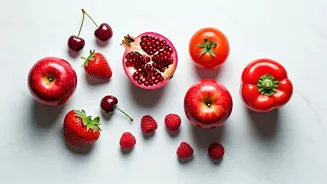
in protecting your cardiovascular system. These vibrant edibles are brimming with beneficial compounds like lycopene, anthocyanins, and flavonoids, which work synergistically to combat inflammation, strengthen blood vessels, and maintain healthy cholesterol levels. Scientific studies, including those highlighted by the US National Institutes of Health, consistently show that a diet rich in fruits and vegetables dramatically lowers the risk of heart disease. The principle is straightforward: what looks lively and energetic on the outside is often performing vital protective functions on the inside, making these red powerhouses essential for daily heart care.
Tomatoes: Lycopene's Source
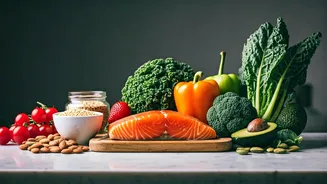
Tomatoes, a common sight in kitchens worldwide, are nutritional champions, particularly for heart health due to their high lycopene content. This potent antioxidant is strongly associated with a reduced risk of heart disease. Interestingly, cooking tomatoes enhances the body's ability to absorb lycopene, meaning that dishes like tomato soups or gravies are even more beneficial than raw consumption. Research published in journals like Biology suggests that regular intake of tomatoes can lead to improvements in cholesterol profiles. It's remarkable how such an everyday ingredient can offer such significant health advantages, making it a staple for maintaining a healthy heart.
Watermelon: Blood Flow Booster
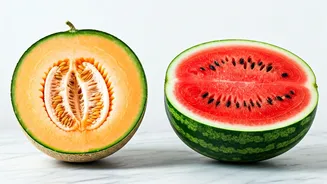
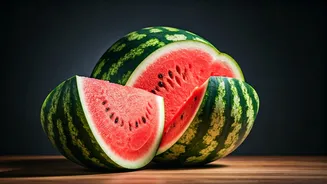
Often relegated to summer picnics, watermelon is more than just a refreshing treat. It contains citrulline, an amino acid that plays a crucial role in improving blood circulation throughout the body. Enhanced blood flow naturally reduces the workload on the heart and helps in regulating blood pressure, especially during warmer months when dehydration can pose a risk to cardiovascular health. Studies have indicated that citrulline intake can positively impact vascular function, underscoring watermelon's hidden benefits for heart wellness beyond its sweet taste.
Strawberries: Antioxidant Rich
These small, jewel-like berries pack a powerful punch of antioxidants, notably anthocyanins, which give them their vibrant red hue. Anthocyanins are vital in combating oxidative stress, a significant contributor to the development of heart disease. Consistent consumption of strawberries has been linked to decreased levels of LDL (bad) cholesterol and improved arterial health. A notable study led by Harvard researchers found that women who regularly included strawberries in their diet experienced a lower incidence of heart attacks, proving that even petite foods can offer profound health impacts.
Red Bell Peppers: Vitamin C Powerhouse
While often overshadowed by their green or yellow counterparts, red bell peppers (capsicum) offer exceptional nutritional value, particularly for heart health. They are an excellent source of vitamin C and beta-carotene, both of which are crucial for maintaining the integrity of blood vessels and reducing inflammation. What's more, research indicates that the seeds of red peppers possess a higher concentration of antioxidants compared to many other vegetables in their class, adding another layer to their cardiovascular benefits.
Pomegranate: Arterial Health
Pomegranates have long been a cornerstone of traditional diets, and modern science is now validating their ancient wisdom. These fruits are rich in polyphenols, compounds known to help mitigate the buildup of plaque in arteries, thereby promoting smoother blood circulation and contributing to lower blood pressure. Organizations like the National Center for Complementary and Integrative Health acknowledge pomegranate's significant role in supporting overall heart health, reinforcing its status as a beneficial dietary choice.
Cherries: Anti-inflammatory Aid
Cherries, especially the tart varieties, are potent sources of anthocyanins, the same antioxidant compounds found in strawberries. These compounds are instrumental in managing inflammation, a condition closely linked to the development of heart disease. Furthermore, the natural melatonin content in cherries can aid in promoting better sleep, which indirectly benefits cardiovascular health. Studies supported by the US National Library of Medicine have demonstrated a reduction in inflammation markers following cherry consumption, highlighting their holistic approach to wellness.
Beetroot: Nitric Oxide Source
Beetroots have rightly gained prominence for their unique health-promoting properties. They are naturally abundant in nitrates, which the body converts into nitric oxide. This conversion process leads to the widening of blood vessels, significantly improving blood flow and consequently helping to naturally lower blood pressure. While the earthy taste of beetroot juice might be an acquired preference for some, the positive impact it has on the heart's function makes it a truly valuable addition to a heart-conscious diet.