






Rethinking Immunity Boosters
In India, a prevalent trend sees people relying on herbal concoctions like 'kadha' for immunity, a practice lacking scientific validation for preventing
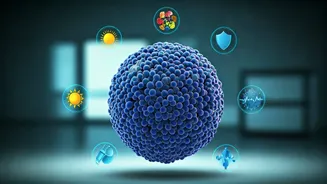
serious illnesses like cancer. Despite the widespread use of such remedies, India faces a significant burden of cancer patients, with 2.5 million cases reported by the ICMR. This statistic highlights that while natural foods are beneficial, the idea of boosting immunity to ward off diseases like cancer through unproven herbal brews is a misconception. The focus should shift from ineffective boosters to a comprehensive strategy for immune balance, ensuring the body can effectively combat pathogens without causing self-harm or overreactions. This balanced approach, rather than marketing-driven 'immunity boosters,' is key to a robust defense system.
Vitamin D's Crucial Role
Optimizing Vitamin D levels is a cornerstone of maintaining a strong innate immune system, and emerging research suggests it may offer a protective effect against certain cancers, notably colorectal cancer. However, it's vital to strike a balance; while sunlight is a primary source, excessive exposure significantly elevates the risk of skin cancer. Therefore, self-prescribing Vitamin D sources is ill-advised. Consulting a healthcare professional for personalized guidance and undergoing regular tests to ensure optimal levels are maintained, as advised by your doctor, is the safest and most effective strategy. This ensures you harness its benefits without succumbing to potential risks.
Protein and Nourishment
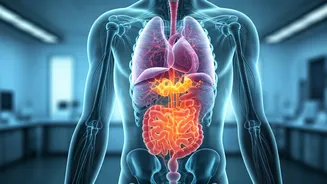
The body requires essential amino acids, derived from protein, to synthesize critical components like immunoglobulins and cytokines, which are fundamental to immune function. Malnutrition directly compromises the immune system's capacity to perform. Immunoglobulins play a role in addressing immunodeficiencies and autoimmune conditions, while cytokines are instrumental in fighting infections, managing inflammation, and repairing damaged tissues. A diverse diet rich in fruits, vegetables, beans, and whole grains not only provides vital nourishment but also contributes to reducing cancer risk. To ensure a truly wholesome diet, it is imperative to seek professional medical advice to identify the most suitable protein sources and any necessary supplements tailored to individual needs.
The Power of Sleep
Sleep deprivation is an often-overlooked yet profoundly impactful factor influencing immune health. Individuals experiencing insufficient sleep tend to exhibit elevated levels of inflammatory markers in their bodies. Scientific reports indicate a strong correlation between disruptions in the body's natural circadian rhythm and an increased susceptibility to developing certain cancers, including those affecting the colon, breast, prostate, and ovaries. Prioritizing adequate and quality sleep is therefore not just about feeling rested, but a critical component in maintaining the body's defense mechanisms and reducing the risk of chronic diseases.
Vaccination and Exercise
Vaccination stands as the sole scientifically validated method for enhancing adaptive immunity, a process that involves creating immunological memory through B and T cells. Approved vaccines, such as those targeting HPV and Hepatitis B, offer proven protection against infections that can lead to cancers like cervical, throat, and anal cancers, as well as liver cancer. Complementing these preventative measures, regular physical activity has demonstrated the ability to improve immune surveillance, thereby bolstering the body's resistance to infectious and inflammatory diseases. While exercise is beneficial, it's important to note that excessively strenuous or prolonged physical exertion can temporarily suppress immune function, underscoring the need for a balanced approach to exercise.