




Understanding Pesticide Risks
Concerns about pesticide residue in our food are growing, especially for Indian parents. A recent study by the Centre for Science and Environment (CSE)
in 2023–2024 revealed that a significant portion of produce, ranging from 20% to 40%, from Delhi markets exceeded safe pesticide limits. High-risk items like spinach, grapes, tomatoes, and beans were particularly flagged. This aligns with similar findings from the Food Safety and Standards Authority of India (FSSAI) monitoring reports, indicating a widespread issue. Conventional farming often relies on synthetic fertilizers to boost crop growth and pesticide sprays to protect against insects and diseases. While some pesticide residue is absorbed by plants, much can remain on the surface or within the edible parts. Additionally, post-harvest chemicals, such as waxes and preservatives, are sometimes used to extend shelf life. These substances can accumulate in the body over time, leading to potential health concerns, especially for children whose bodies are still developing. Therefore, understanding which foods are most likely to carry these residues is the first step toward making healthier choices for your family.
Prioritizing Organic Choices
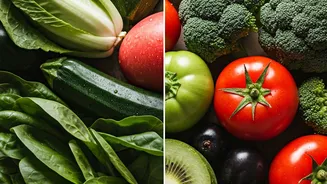
Given the prevalence of pesticide residues, it's crucial to identify which foods benefit most from organic sourcing. A helpful framework is the 'Dirty Dozen' list, which highlights produce with the highest pesticide contamination risk. In India, similar findings from the CSE include strawberries, grapes, apples, spinach, bell peppers, tomatoes, potatoes, peaches, cherries, blueberries, and green beans. These items are particularly important to buy organic whenever possible. This is often due to their thin skins, which allow pesticides to penetrate easily, or because we consume the entire fruit or vegetable, including the skin. For instance, leafy greens like spinach and fenugreek absorb substances readily, while berries and thin-skinned fruits offer little protection against residue. Even items like wheat flour, consumed daily for staples like rotis, and oats, are categorized as high priority due to potential contamination. Prioritizing these 'Dirty Dozen' items ensures you're making the most impactful choices for reducing your family's exposure to harmful chemicals.
Navigating Indian Organic Certification
While the benefits of organic produce are clear, understanding the landscape of organic certification in India is essential. Official organic certification, governed by standards like the National Programme for Organic Production (NPOP), involves rigorous processes and can be quite costly. Annual fees for certification can range from 20,000 to 50,000 rupees, in addition to significant paperwork, inspection costs, and transition fees. For small-scale farmers, who are the backbone of India's agricultural sector, this financial burden often makes obtaining official organic certification nearly impossible. Consequently, many responsible farmers who practice organic methods cannot afford the 'organic' label. This complexity means that an organic label isn't always a guarantee of cleaner produce, and conversely, the absence of a label doesn't necessarily imply high pesticide use. Transparency about sourcing and farming practices becomes paramount when official certification is inaccessible for many farmers.
Smart Shopping Strategies
Beyond certification, several practical strategies can help Indian parents ensure their produce is as clean as possible. Building trust with local vendors who are transparent about their sourcing and farming methods is highly recommended. Knowing where your food comes from and how it's grown is often more valuable than relying solely on labels. Furthermore, regardless of whether you buy organic or conventional, thorough washing is critical. Soaking all fruits and vegetables in water with either a tablespoon of vinegar or baking soda for 10-15 minutes can effectively remove 70-90% of surface pesticide residue. When possible, peeling produce, especially for conventionally grown items, offers an additional layer of protection. Opting for seasonal and local produce is also beneficial, as these items typically require fewer sprays and have shorter supply chains, reducing the need for post-harvest treatments.
Produce Categories & Choices
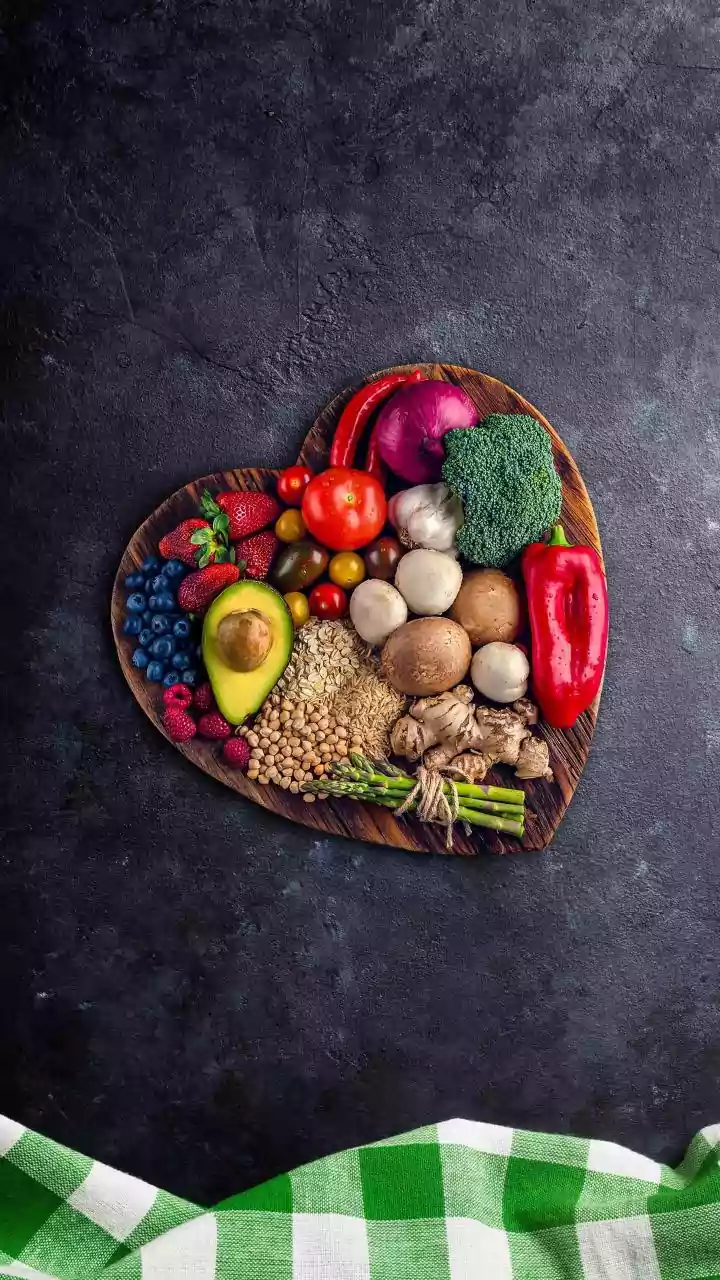
To make informed decisions, it's helpful to categorize produce based on its risk profile. High-priority items, where organic is strongly recommended, include leafy greens (palak, methi), berries and thin-skinned fruits (strawberries, grapes, apples, pomegranates), tomatoes, bell peppers, cucumbers, green beans, potatoes (if skin is eaten), nuts, seeds, wheat flour, and oats. Medium-priority items, where organic is a 'nice to have,' include polished white rice (if not soaked well) and off-season fruits and vegetables. Low-priority items, where conventional options are usually fine, include those with thick peels that are removed before consumption, like bananas, oranges, melons, papaya, pineapple, and guava. Also in this category are onions, garlic, ginger, cabbage, cauliflower, broccoli, millets, and coconuts. Lentils and dals, which are soaked, rinsed, and pressure-cooked, and beans like rajma and chickpeas, are also generally safe to buy conventionally due to thorough preparation methods.