


The Classic Inspiration
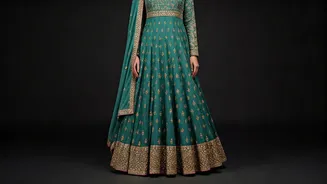
The Chanderi Anarkali, a creation of Rohit Bal, represents a significant piece of Indian fashion history. Known for its graceful silhouette and the use
of Chanderi fabric, this ensemble encapsulates traditional elegance. The original design showcases the craftsmanship and heritage of Indian textiles. The fabric, known for its sheer texture and lightweight feel, lends itself perfectly to the flowing style of the Anarkali. Over time, the garment became a symbol of refined taste, often worn at festive occasions and celebrations. Rohit Bal's Anarkali designs were admired for their intricate detailing and the way they modernized traditional Indian attire. These creations were not merely clothes; they were statements of sophistication and cultural pride. The revival of this iconic piece shows its enduring appeal, proving its place in the world of fashion.
Dimri’s Contemporary Vision
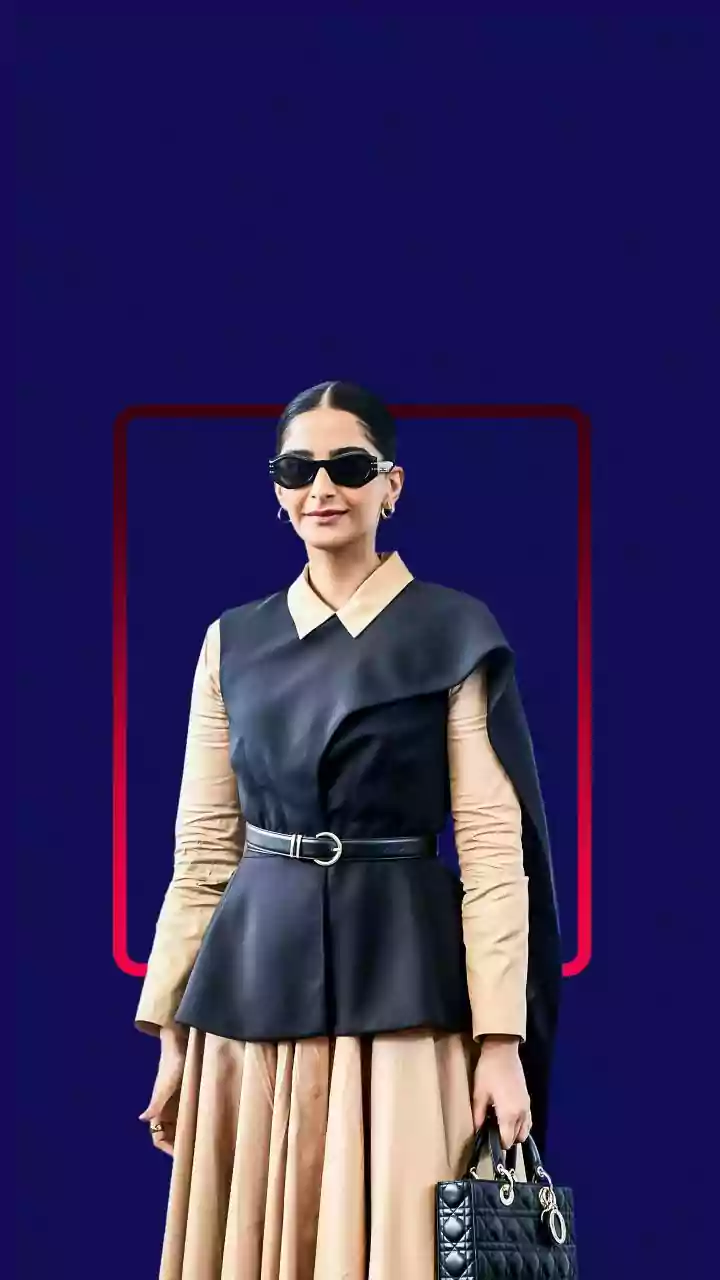
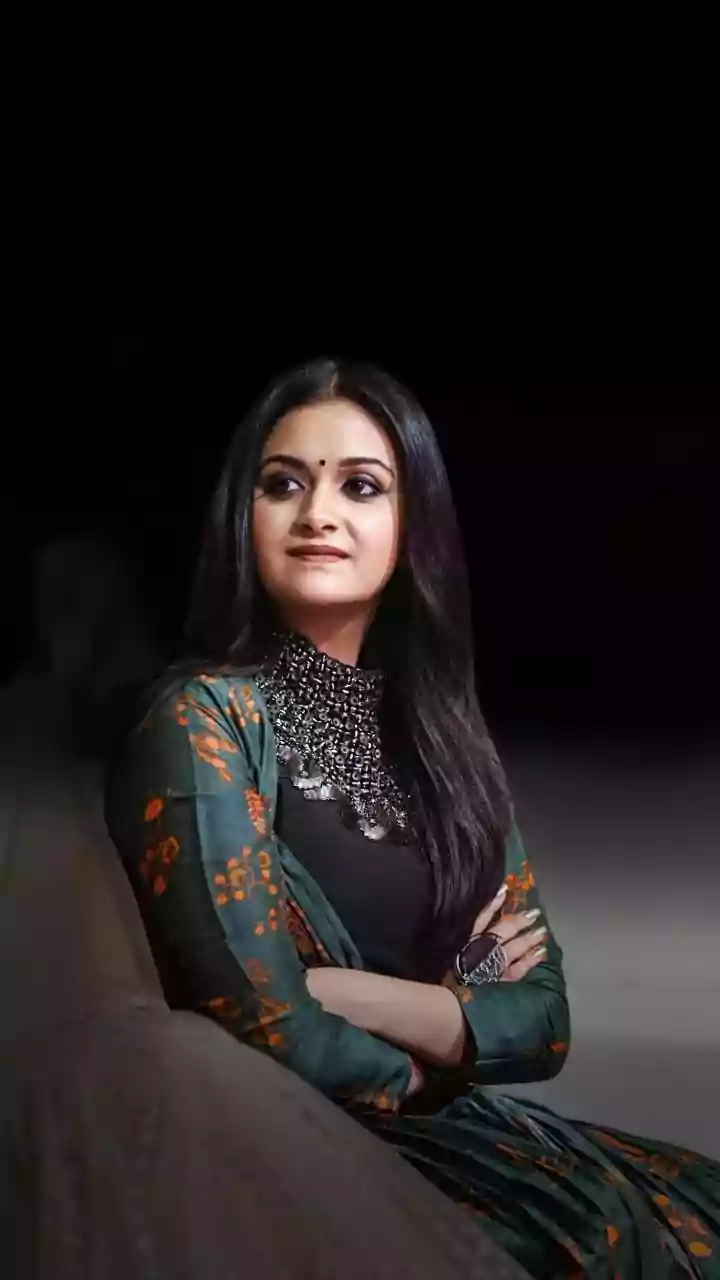
Triptii Dimri's interpretation of the classic Anarkali showcases a contemporary twist. It's more than just a reproduction; it is a re-imagining that aligns the traditional garment with modern style. Modern elements are incorporated while maintaining the core elegance of the original design. This modern Anarkali might feature updated cuts, perhaps a sleeker silhouette or contemporary embellishments. The way Dimri styled the outfit shows her fashion-forward thinking. Details like the choice of accessories, the hairstyle, and the overall presentation, all contribute to the modern feel of the revival. This approach enables the Anarkali to remain relevant in today's fashion landscape. The overall effect is a combination of traditional grace and a modern edge, appealing to a broad audience.
Fabric and Details
The choice of fabric is crucial in any fashion revival, and the revival of the Anarkali is no exception. While the original design highlighted the use of Chanderi, Dimri's version might introduce other luxurious fabrics or blends. The focus remains on lightweight, flowing materials that enhance the garment's elegance. Details like embroidery, embellishments, and color palettes are adapted to mirror current trends. Dimri’s interpretation could use modern embroidery techniques or contemporary motifs. The color choices also play an important role, with a modern Anarkali perhaps sporting bold hues or subtle pastel shades. The aim is to balance traditional aesthetics with the latest design ideas. Careful selection of fabrics and details is key to ensuring that the revived Anarkali looks fresh and captivating while respecting its heritage.
Styling and Presentation
The styling and presentation of Triptii Dimri’s Anarkali revival are crucial elements. The way she styles the outfit contributes to its modern appeal. The choice of accessories, jewelry, and footwear help to complete the look and blend it with current trends. Dimri might opt for contemporary jewelry that complements the garment's design. The hairstyle and makeup also play a role, with sleek updos or modern makeup enhancing the overall appearance. The presentation is another key aspect. The choice of setting and the way the Anarkali is photographed or worn in public, contributes to its modern image. By blending classic elements with contemporary style, the revival maintains a balance. This approach enables the Anarkali to stay relevant. The final product is a blend of grace and modern sophistication, capturing the spirit of both the past and the present.
Fashion's Enduring Appeal
The revival of the Rohit Bal Chanderi Anarkali by Triptii Dimri highlights the enduring appeal of classic fashion. The reinterpretation of this iconic outfit demonstrates how tradition can be updated without losing its essential charm. This revival allows the Anarkali to find a new audience in contemporary fashion. It shows how designers and stylists can blend the past and present, creating timeless pieces. The Anarkali's comeback also shows the cyclical nature of fashion. Classic styles resurface with fresh details, engaging a modern audience. The revival's success confirms the Anarkali’s significance in the history of Indian fashion. It highlights the lasting influence of Rohit Bal’s work. Through this revival, the Anarkali’s legacy continues, inspiring designers and fashion enthusiasts today.