




Fashion's Unseen Costs
The fashion industry, particularly fast fashion, often conceals a complex web of environmental and social impacts. The production of clothing is resource-intensive,
consuming vast amounts of water, energy, and chemicals. Synthetic fabrics, derived from petroleum, contribute to microplastic pollution in oceans, while the dyeing and finishing processes release harmful substances into waterways. Moreover, the industry's reliance on cheap labor often leads to poor working conditions, low wages, and exploitation in garment factories, primarily in developing countries. Unregulated waste disposal and the disposal of unsold clothing further exacerbate environmental issues. The fast pace of trends encourages overconsumption and waste, with clothing often discarded after only a few wears. The ethical and environmental costs of this model are substantial, prompting a growing movement for more sustainable and responsible practices.
Sustainable Fabric Choices
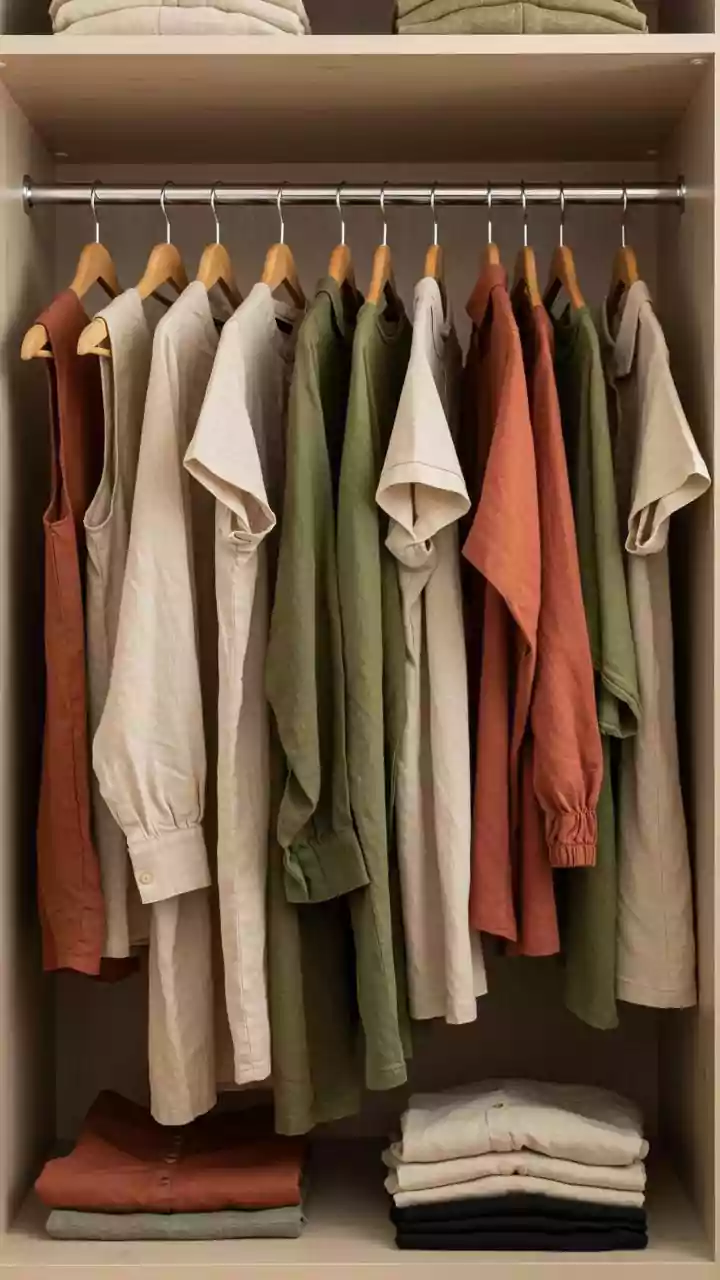
Choosing eco-friendly materials is a crucial step towards sustainable fashion. Organic cotton, cultivated without harmful pesticides and fertilizers, is gentler on the environment and the farmers. Linen, made from flax, requires minimal water and is biodegradable. Hemp is a highly sustainable crop, needing little water and naturally resistant to pests, making it ideal for fabric production. Recycled fabrics, such as those made from plastic bottles or old garments, reduce waste and lessen the demand for new resources. Other innovative options include fabrics made from pineapple leaves (Piñatex) or orange fibers. These materials not only minimize environmental impact but often offer unique textures and properties, allowing for stylish and sustainable clothing choices. Understanding the lifecycle of different materials helps consumers make informed decisions, supporting brands committed to using these sustainable resources, and thereby helping to transform the fashion industry.
Fair Labor Standards
Fair labor practices are essential for ethical fashion. Many fashion brands have a history of exploiting workers by not following ethical labor standards. It's imperative that fashion brands guarantee safe working environments. They should also provide fair wages that enable workers to meet their essential needs. Support for the rights of garment workers is necessary to ensure they can unionize and bargain for better conditions. Transparency within the supply chain is also significant. Brands should be willing to share information about their factories, suppliers, and production processes. This disclosure enables consumers to assess whether the companies adhere to ethical practices. Certifications like Fair Trade and SA8000 offer a means for consumers to identify brands committed to fair labor. These certifications ensure that goods are produced under conditions that respect workers' rights, health, and safety, promoting a more equitable and ethical fashion industry.
Conscious Consumption Habits
Consumers have a vital role in advancing sustainable fashion. Making informed purchase decisions is very important; consider the materials, manufacturing processes, and brand ethics before buying new clothes. Buying less and making your clothes last is very impactful; investing in high-quality items that endure longer is more sustainable than purchasing frequently. Consider repairing, upcycling, or recycling clothes instead of discarding them. Opt for pre-owned clothing, vintage finds, and clothes swapping as alternatives to buying new. Supporting brands that prioritize ethical and sustainable practices promotes the adoption of environmental standards and helps make sustainable fashion more accessible. Choosing to consume consciously will help transform the current fashion model by reducing the demand for fast fashion. By slowing down consumption and making more informed purchases, consumers can actively contribute to a more sustainable and ethical fashion industry.
Brand Transparency Matters
Transparency is key for assessing a fashion brand's commitment to sustainability. Brands should openly share information about their supply chains. This includes the factories where their products are made, the materials they use, and the wages and working conditions of their employees. Detailed information about the environmental impact of their production processes, such as water usage and waste management, is also vital. Look for brands that provide certifications, such as GOTS (Global Organic Textile Standard), which assures that products are made with organic fibers. Check for certifications from the Fair Trade Foundation and B Corp, which demonstrate a brand's dedication to environmental and social responsibility. Many brands are now publishing sustainability reports. These reports outline their goals, achievements, and future plans. Transparency allows consumers to make informed choices. By supporting brands that are open about their practices, consumers can encourage ethical and sustainable business practices within the fashion industry.
The Future of Style
The future of fashion points towards a model of circularity and reduced environmental impact. Innovations in materials, such as bio-based fabrics and lab-grown textiles, are expanding sustainable options. The focus is shifting towards design for durability and longevity, reducing the need for constant replacements. Implementing technology, like blockchain, is improving supply chain traceability. This transparency is making it easier for consumers to verify the authenticity and ethics of products. Business models are also evolving, with increasing popularity of clothing rental services and subscription boxes, which are promoting reuse and reducing waste. Brands are starting to offer repair and recycling programs to extend the life of garments. The fashion industry’s future will require collaboration between brands, consumers, and policymakers to establish a more ethical, transparent, and sustainable system. By embracing these changes, the fashion industry can redefine style while minimizing its environmental footprint.