




The Clumping Conundrum
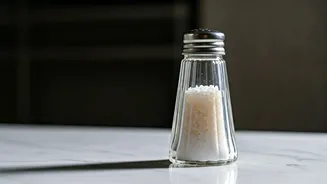
Many home cooks face the perennial problem of salt shakers becoming clogged, especially on humid days. This inconvenience strikes when you're trying to
season a meal or prepare barbecue rubs, only to find the salt stubbornly refusing to dispense. While modern solutions involve expensive airtight containers, a far simpler and older method is gaining renewed attention. This involves a readily available kitchen staple, a technique passed down through generations that promises to banish clumpy salt forever. It's a testament to how basic pantry items can solve common household irritations with surprising effectiveness, bypassing the need for specialized gadgets or costly storage solutions.
Rice: Nature's Moisture Magnet
The effectiveness of rice as a moisture absorber stems from its fundamental properties as a hygroscopic substance, meaning it readily attracts and holds water molecules from its surroundings. Salt, being inherently hygroscopic itself, tends to absorb ambient humidity, causing its crystalline structure to soften and clump together. The clever inclusion of raw rice grains acts as a preemptive strike against this moisture takeover. Research published in scientific journals highlights that dry rice grains possess a superior capacity to absorb moisture compared to salt crystals. This allows the rice to intercept water vapor before it can affect the salt, thereby maintaining a stable, low-humidity environment within the shaker and keeping the salt free-flowing.
The Science of Sorption
Delving deeper into the science, the structural composition of rice grains plays a crucial role in their moisture-absorbing prowess. Studies indicate that these dry grains can effectively reduce local humidity in confined spaces, acting as a natural desiccant. When mixed with salt, rice grains act as a protective barrier, preferentially absorbing atmospheric moisture due to their higher moisture sorption capacity. This scientific principle, supported by research in food science journals, explains why rice is such an effective partner for salt. By maintaining a constant, low water activity, rice helps prevent crystalline solids like salt from becoming sticky and forming those dreaded lumps, ensuring a consistently smooth pour.
Choosing and Using Rice
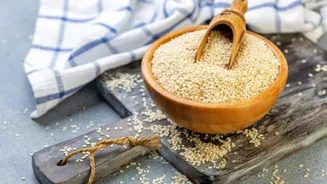
For this moisture-controlling hack to work optimally, it's important to select the right type of rice and prepare your shaker correctly. Opt for plain, raw white rice grains; rice flour or powders should be avoided as their processed nature makes them prone to stickiness and rancidity when exposed to moisture, potentially contaminating your salt. Ensure your salt shaker is thoroughly cleaned and completely dry before adding about a teaspoon of uncooked rice to the bottom. Then, fill it with your preferred table or sea salt. In environments with high humidity, like coastal or tropical regions, it's advisable to replace the rice grains every few months. This is because the rice will eventually reach its saturation point and lose its effectiveness. Regular replacement ensures your moisture-wicking shield remains potent.
An Eco-Friendly Alternative
Beyond its practical benefits for your seasonings, using rice in your salt shaker offers a wonderfully sustainable alternative to conventional moisture absorbers. Instead of relying on artificial silica gel packets, which may not always be food-grade and contribute to landfill waste, this method utilizes an edible, organic substance. It's a small but impactful step towards a more environmentally conscious kitchen. This simple, readily available solution underscores how understanding basic scientific principles, like water absorption by grains, can lead to practical, everyday solutions. It empowers you to manage your pantry environment effectively and protect your spices from humidity without needing to purchase additional products.