





A Nutritional Shift
Following her recent surgery to address cancer recurrence, actress Dipika Kakar has embraced a significant dietary adjustment. Her husband, Shoaib Ibrahim,
shared a glimpse of her new eating regimen through a YouTube vlog, showcasing a simple yet potent meal of sautéed vegetables. This conscious dietary change highlights a move towards foods that actively support the body's healing and defensive processes. The choice to focus on sautéed vegetables isn't merely about preference; it represents a strategic nutritional intervention designed to bolster recovery and mitigate risks associated with cancer recurrence. Consultant dietitian Garima Goyal underscores that such dietary choices are grounded in therapeutic principles and backed by scientific evidence, particularly for individuals navigating the complexities of cancer recovery and management. This dietary pivot emphasizes simplicity and effectiveness, proving that profound health benefits can stem from carefully chosen, easily prepared meals, supporting the body's resilience during a critical recovery period.
Therapeutic Benefits of Sautéing
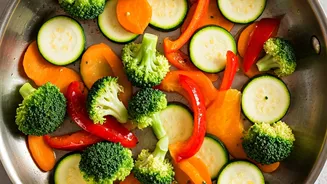
The art of sautéing vegetables offers a powerful nutritional advantage, especially for individuals focused on combating issues like chronic inflammation and oxidative stress, which are often linked to cancer recurrence. Consultant dietitian Garima Goyal explains that light cooking in healthy fats, such as olive oil or ghee, significantly boosts the absorption of essential fat-soluble vitamins like A, D, E, and K. Furthermore, this method enhances the bioavailability of vital phytonutrients such as beta-carotene and lycopene. This increased nutrient uptake is crucial for those in recovery, ensuring the body receives maximum benefit from its food intake. Beyond nutrient enhancement, sautéing also aids in reducing anti-nutritional compounds like oxalates and phytates, thereby improving mineral absorption and overall digestive function. The vibrant colours of sautéed vegetables, derived from ingredients like bell peppers, zucchini, carrots, and leafy greens, signify a rich supply of antioxidants that actively fight against cellular damage, a key factor in cancer progression and recurrence. Additionally, cruciferous vegetables like broccoli and cauliflower, when prepared this way, contribute valuable sulforaphane, supporting the liver's detoxification processes.
Mastering the Sauté
The therapeutic value of sautéed vegetables hinges critically on the preparation method. Dietitian Garima Goyal advises sautéing at a medium heat, utilizing stable, high-quality fats. The process ideally begins by softening aromatics like garlic and onions, which not only builds flavour but also activates beneficial sulfur compounds. Denser vegetables should be introduced first, followed by softer ones, with the goal of achieving a slight crunch in the final dish. It's imperative to avoid overcooking, as this can diminish heat-sensitive nutrients and reduce the overall effectiveness of the meal. Enhancing the anti-inflammatory properties can be further achieved by incorporating spices like turmeric and black pepper. Incorporating sautéed vegetables once or twice daily presents a practical and sustainable strategy for most individuals seeking nutritional support. The focus should be on variety, freshness, and consistent preparation rather than overly complicated recipes, demonstrating that effective therapeutic nutrition often lies in the simplicity and consistency of daily eating habits.