





The Versatile Blender
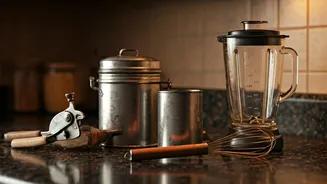
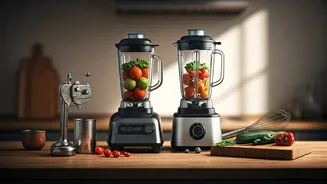
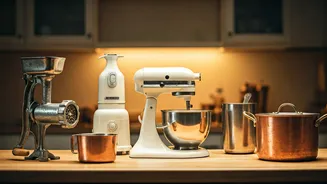
Emerging into popularity in the 1920s, the blender, a seemingly simple device, brought about a significant transformation in kitchen capabilities. Its
ingenious design allows for the rapid breakdown of ingredients, enabling the creation of incredibly smooth textures that were previously unattainable in home kitchens. This innovation paved the way for a new era of culinary possibilities, making dishes like creamy soups, emulsified sauces, and refreshing smoothies commonplace across households worldwide. The blender's ability to process diverse ingredients into a uniform consistency has solidified its place as an indispensable tool for both everyday meals and more elaborate gastronomic endeavors, demonstrating how a single appliance can redefine textural experiences in food preparation.
The Indispensable Can Opener
Following the widespread adoption of canned foods in the 19th century, a practical solution was needed to access their contents. The can opener, though often taken for granted, emerged as a critical invention that unlocked the convenience of preserved meals. Without this unassuming tool, the ease and accessibility that canned goods offer to modern kitchens would be practically non-existent. Its design, refined over time, efficiently pierces and removes lids, making it a straightforward yet essential component of any culinary arsenal. The can opener’s silent but vital role ensures that the benefits of long-lasting, pre-prepared food remain readily available for everyday use.
The Flavorful Garlic Press
Gaining widespread recognition in the 20th century, the garlic press stands out as a prime example of how a small, focused tool can have a significant impact on cooking. This clever device simplifies the task of crushing garlic cloves, releasing their potent aroma and flavor with minimal effort. By streamlining the process of preparing this essential ingredient, the garlic press arguably played a role in increasing its use and popularity in home cooking across various global cuisines. Its ease of use and the immediate flavor infusion it provides have made it a go-to for home cooks seeking to enhance their dishes with the pungent, savory notes of fresh garlic, showcasing its substantial contribution to everyday culinary practices.
The Speedy Microwave Oven
A product of an accidental discovery in the 1940s, the microwave oven revolutionized cooking speed and efficiency. By harnessing electromagnetic waves, it dramatically reduces the time required to heat food, from defrosting frozen items to preparing full meals. This remarkable appliance has fundamentally altered daily routines in kitchens worldwide, offering unparalleled convenience. Its ability to rapidly heat food has made it an essential part of modern life, allowing for quicker meal preparation and a more dynamic approach to cooking. The microwave oven's impact extends beyond mere speed; it has reshaped our expectations of how quickly and easily meals can be ready.
The Time-Saving Pressure Cooker
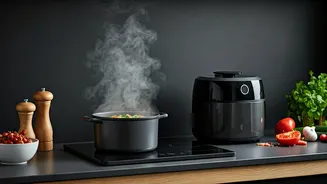
With roots stretching back centuries and significant advancements made in the 17th century, the pressure cooker is a testament to enduring innovation. This robust cooking vessel dramatically accelerates the cooking process for a wide range of foods, including legumes, hearty stews, and tougher cuts of meat. By increasing the internal temperature and pressure, it significantly cuts down on cooking times, leading to substantial savings in fuel consumption. This efficiency made preparing nutritious and tender meals more accessible and less time-consuming for households, demonstrating a profound impact on food preparation and resource management in the kitchen over generations.
Revolutionary Refrigeration
The evolution from the 19th-century icebox to modern refrigeration marks one of the most significant breakthroughs in food preservation. This technology fundamentally transformed how we store food by significantly slowing down spoilage processes. Consequently, it has made fresh ingredients available for extended periods, enhancing dietary variety and improving public health. The widespread accessibility to longer-lasting fresh food, a direct result of refrigeration, has had a profound and lasting impact on global diets and food safety standards, making it a cornerstone of contemporary food management.