


A Shifting Style Narrative
The Indian menswear scene is undergoing a profound transformation, moving beyond the confines of established conventions to welcome a wider array of personal
expression. Gone are the days when men's fashion was narrowly defined by rigid notions of masculinity. Today's Indian man is increasingly self-assured, exploring his unique style by experimenting with a broad palette of colors, varied silhouettes, and even aesthetic elements that transcend traditional gender classifications. This significant evolution is propelled by a confluence of factors, including greater access to global trends, the escalating influence of social media personalities, and a more open societal discourse concerning personal identity and modes of expression. While traditional Indian attire remains significant, it is now being reinterpreted and interwoven with contemporary fashion sensibilities. There's a noticeable surge in the popularity of fusion wear, where classic Indian garments like kurtas and sherwanis are artfully combined with modern pieces, or vice versa. This fusion allows for a distinctive articulation of cultural heritage while simultaneously keeping pace with international fashion movements. This growing confidence in personal style is further evidenced by the increasing market projections, with the Indian menswear market anticipated to reach $42.4 billion by 2034, a substantial increase from $21.9 billion in the previous year, signaling robust growth and evolving consumer preferences.
Beyond Conventional Dressing
Urban Indian men, particularly in the post-COVID era, are adopting a fresh perspective on their wardrobes, extending beyond purely formal attire. This shift is characterized by a desire to move away from predictable, conservative ensembles towards more experimental choices. For instance, a 29-year-old project manager deliberating over linen blazers in beige, light blue, and mud brown for a business presentation exemplifies this evolving mindset. While familial advice might lean towards safer options, the underlying inclination is towards colors that offer a more distinct impression. This aspiration to experiment is not an isolated phenomenon; it mirrors a broader trend where many urban Indian men are consciously departing from the ubiquitous plain white or black shirts and trousers. The desire to be noticed, fueled by rising disposable incomes, extensive social media exposure, and evolving gender norms that position self-presentation as a facet of self-awareness, is becoming increasingly prevalent. This is actively supported by a diverse offering from fashion designers and retail brands alike, spanning casual to occasion wear across various price points, a breadth of choice that was notably absent a decade ago. This growing demand indicates a market ready for innovation and individual expression, moving beyond a one-size-fits-all approach to male fashion.
The Digital Influence
The pervasive influence of digital platforms and visual media, particularly social media, has undeniably accelerated the transformation in how Indian men approach their style. The constant exposure to curated content, from celebrity endorsements to influencer posts, makes it challenging to remain unaffected by emerging trends and styling ideas. This passive yet consistent engagement with fashion on platforms like Instagram and others has subtly shaped preferences over time. Designer David Abraham of Abraham & Thakore highlights that this constant visual engagement, coupled with the ubiquitous selfie culture, is a significant driver of the current cultural shift. The desire to present oneself favorably in photographs, often referred to as 'looksmaxxing,' is no longer confined to specific demographics but has become a widespread aspiration. This contrasts sharply with the past, where average men might not have given much thought to style 20 to 30 years ago. Today, many men are actively seeking out stylish apparel, as evidenced by the chic dressing observed among shoppers at stores like Zara. This increased attention to personal presentation and the willingness to wear one's personality through clothing choices are global trends, visible in public figures who are increasingly embracing fashion as a means of self-expression, pushing metrosexuality into a more mainstream acceptance.
Redefining Masculinity
The contemporary Indian man is embracing a more nuanced and 'softer' definition of masculinity, a significant departure from rigid, traditional archetypes. This evolution is visible not just in clothing but also in a growing willingness to engage with self-care and grooming practices. Brands are responding by expanding their offerings to include more expressive and comfortable styles, such as relaxed co-ords, oversized silhouettes, and gender-fluid separates that blur the lines between traditional masculine and feminine dressing. The popularity of items like tinted moisturizers for men and increased interest in procedures like laser hair removal underscore a broader trend of prioritizing self-perception and well-being. This shift in attitude means that fashion is no longer perceived as solely a superficial pursuit but as an integral part of expressing one's identity. The ability to be both strong and vulnerable, to embrace personal style without adhering to outdated stereotypes, is increasingly seen as a positive attribute. This aligns with the growing market for men's grooming, currently valued at ₹10,000 crore, indicating a significant investment in personal presentation and self-enhancement, making the integration of fashion into everyday life a less challenging endeavor than it once was.
Experimentation Within Bounds
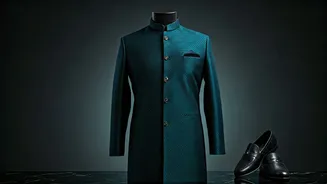
The current wave of style experimentation among Indian men often operates within familiar and accepted silhouettes, making it easier for individuals to explore new looks without stepping too far outside their comfort zones. This approach is evident across various clothing categories, where brands are introducing novelty and variety while adhering to recognizable garment structures. For example, classic pieces like bandhgalas are now available in contemporary colors such as butter yellow, often accented with subtle details like a slim red line down the back. Similarly, traditional garments like kurtas are being updated with floral embroidery, and Nehru jackets feature sculptural wing embroidery. Even everyday items like trousers are being reinterpreted with unique prints. This trend extends to more accessible brands, where mannequins showcase pairings of floral shirts with cotton trousers featuring stripes, or cargo pants layered with check shirts and denim jackets. Established brands are elevating classic styles like bush shirts and Mandarin-collar shirts with traditional embroidery and craft interventions, creating pieces that are both subtle and distinctive. This balanced approach allows men to embrace individuality while retaining a sense of familiarity and ease in their wardrobe choices.
The Rise of Conscious Consumers
A new breed of Indian male consumer is emerging, one that values distinctiveness and is increasingly seeking out garments that reflect personal identity and craftsmanship over overt branding. This demographic is often drawn to homegrown labels that emphasize traditional crafts and unique design interventions. For instance, a brand might focus on elevating everyday items like shirts and trousers with subtle yet impactful details such as tonal kantha embroidery or the integration of textile waste into fabrics to create unique patterns. These consumers, including those from the younger generation, are often exploring a wider range of styles, from grunge and streetwear to formal, floral, and beach-inspired looks, driven by a greater number of social occasions. While comfort and longevity remain important, there's a growing desire for clothing that helps them stand out. This movement is also characterized by a conscious decision-making process, where men are less inclined to rely on others for style advice and are instead taking charge of their own fashion choices, aiming for an 'identity energy' rather than dressing solely for their age. This shift signifies a deeper engagement with personal style as a form of self-expression and a growing appreciation for unique, story-rich fashion.