
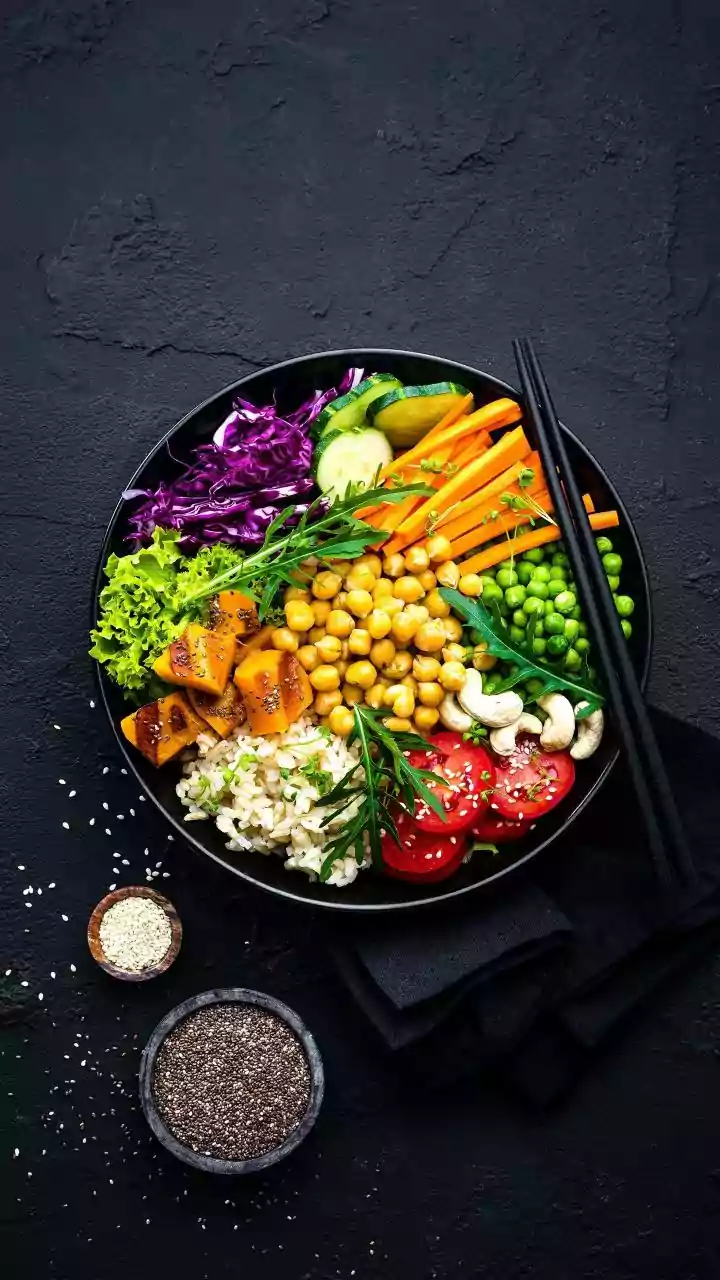




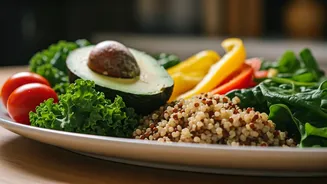

Why Gut Health Matters
A child's digestive system is a bustling ecosystem housing trillions of beneficial microbes, fundamental to their overall health. This intricate gut flora
plays a vital role in properly breaking down food, fortifying the immune system to ward off illnesses, and maintaining consistent energy levels and stable moods. When this internal environment is thriving, the child flourishes. Unfortunately, modern lifestyles often lead to a compromised gut microbiome, marked by the frequent consumption of processed foods and sugary drinks. This imbalance can manifest in common childhood issues like persistent constipation, uncomfortable bloating, and general digestive distress, all indicative of a gut in need of attention. Prioritizing gut health from an early age is an investment in a child's long-term well-being, impacting everything from their ability to fight infections to their cognitive development.
Swap Sugary Cereals for Oats
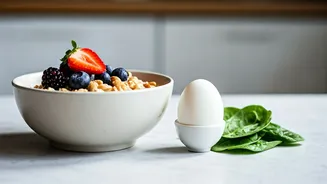
Transform your child's breakfast by replacing highly processed, sugar-laden cereals with nutrient-dense oats or millets. Traditional breakfast cereals, while convenient, often contain minimal fiber and excessive added sugars, offering little nutritional benefit for gut health. Oats and millets, however, are powerhouses of dietary fiber, acting as prebiotics that nourish the beneficial bacteria in the gut. This fiber not only aids in digestion but also promotes a feeling of fullness, helping to regulate appetite throughout the morning. Opting for a warm bowl of porridge made from these grains provides sustained energy and supports a healthier digestive tract, setting a positive tone for the day.
Replace Juices with Whole Fruit
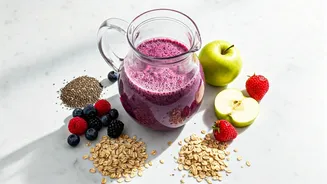
Make a simple yet impactful switch by offering whole fruits instead of packaged fruit juices. Similar to processed cereals, commercially available fruit juices are often concentrated sources of sugar with most of the beneficial fiber removed during processing. This means they can contribute to sugar spikes without delivering the digestive advantages of fiber. Whole fruits, such as apples, bananas, papayas, and guavas, are naturally packed with fiber. This fiber is crucial for promoting regular bowel movements, feeding good gut bacteria, and contributing to overall digestive health. By choosing the whole fruit, you provide your child with essential nutrients and fiber in its most beneficial form.
Choose Whole Grains Over White
Elevate your child's sandwich or toast game by opting for whole grain breads in lieu of refined white bread. White bread is typically made from flour that has had its bran and germ removed, making it lower in fiber and nutrients. This refined flour can be harder for the body to digest and, over time, may contribute to digestive discomfort like constipation. In contrast, whole grain breads are crafted from grains that retain all their natural components, including the fibrous bran and nutrient-rich germ. This means they offer a significantly higher fiber content, facilitating easier digestion and providing more sustained energy, making them a superior choice for a healthy gut.
Homemade Curd Beats Flavored Yogurt
Opt for homemade curd or yogurt over store-bought flavored varieties to significantly enhance your child's probiotic intake. Many commercially prepared flavored yogurts are loaded with added sugars and artificial additives, diminishing their health benefits. Homemade curd, on the other hand, is a natural source of beneficial live bacteria, including probiotics. These live cultures are essential for populating the gut with friendly microbes, which actively support a healthy digestive system and bolster the immune response. By preparing curd at home, you ensure a pure, potent source of probiotics that can profoundly benefit your child's gut flora and overall immunity.
Snack Smart: Nuts & Seeds
Rethink your child's snack time by swapping out fried treats for nutritious nuts and roasted seeds. Fried snacks often contain unhealthy fats that can negatively impact the delicate balance of a child's digestive system, leading to discomfort and reduced nutrient absorption. A much healthier alternative includes a moderate portion of nuts like almonds and peanuts, or roasted seeds such as pumpkin and sunflower seeds. These options are rich in healthy fats, fiber, vitamins, and minerals, providing sustained energy and supporting gut health. They offer a satisfying crunch and a wealth of nutrients without the detrimental effects of deep-frying.