






Diabetes in Your 20s
The prevalence of type 2 diabetes is shifting dramatically, with more diagnoses occurring in individuals in their 20s and 30s than ever before. When diabetes emerges
at this younger age, it often presents with increased aggression. This intensity is frequently attributed to a combination of factors, including heightened insulin resistance driven by obesity and sedentary habits, alongside a genetic predisposition. A critical consequence of developing diabetes early is the prolonged exposure to elevated blood sugar levels throughout life. This extended period of hyperglycemia significantly elevates the lifetime risk of developing severe long-term complications, impacting vital organs such as the heart, kidneys, eyes, and nervous system. Experts highlight that younger patients may overlook subtle warning signs like persistent fatigue, increased thirst, or unexplained weight loss, potentially delaying diagnosis and intervention. The body's initial capacity to manage blood sugar fluctuations can mask the underlying issue for years, allowing the disease to progress silently. Proactive lifestyle adjustments, including sufficient sleep, a balanced diet, regular physical activity, and stress management, are paramount for mitigating these risks, regardless of diagnosis timing. Early recognition and consistent monitoring are the cornerstones of preventing serious health detriments and fostering an active, healthy life.
The 30s Transition
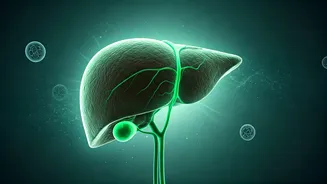
As individuals enter their 30s, the emergence of diabetes often becomes more intricately linked to the pressures of modern life. This decade frequently sees a rise in cases influenced by demanding work schedules, leading to reduced physical activity and irregular sleep patterns. Coupled with the common gradual weight gain experienced during these years, these lifestyle factors contribute significantly to the development of insulin resistance. A key challenge during this period is that the initial symptoms of diabetes can be quite subtle, making early detection difficult. Many people may remain undiagnosed for an extended duration because the body can still compensate for some time. However, by the 40s, diabetes is frequently found to coexist with a cluster of other metabolic disturbances. These often include hypertension (high blood pressure), non-alcoholic fatty liver disease, and abnormal cholesterol levels. The presence of these co-occurring conditions substantially amplifies the overall cardiovascular risk, making comprehensive health management even more critical. Awareness of personal health and engagement in regular medical check-ups become increasingly important to identify these issues early. People in their 40s are generally more attuned to preventative care, which aids in earlier problem identification. Nevertheless, the fundamental principles of managing diabetes remain consistent: consistent sleep, a nutritious diet, regular exercise, and effective stress management are vital for slowing disease progression and maintaining overall well-being, irrespective of the age of diagnosis.
Diabetes in the 40s
By the time individuals reach their 40s, diabetes often appears in conjunction with a constellation of other metabolic health concerns. This concurrent presence of conditions such as hypertension, fatty liver disease, and dyslipidemia (abnormal cholesterol levels) significantly elevates the combined cardiovascular risk. At this stage, insulin resistance typically becomes a central issue. While the pancreas may still be producing insulin, the body's cells become less responsive to its signals, leading to elevated blood glucose levels. Many individuals in this age group also have pre-existing conditions that predispose them to heart disease, compounding the health challenges posed by diabetes. However, it's important to note that irrespective of the age of diagnosis, diabetes is a manageable condition. Lifestyle modifications, including prioritizing adequate sleep, adopting a balanced and nutritious diet, incorporating regular physical activity into daily routines, and effectively managing stress, are proven strategies to significantly slow the progression of the disease. Early detection through regular health screenings remains the most effective approach to prevent the onset of long-term complications and to ensure individuals can lead active and fulfilling lives.