





The Silent Mechanism
Hypertension, or high blood pressure, is a formidable adversary that operates insidiously, gradually undermining cardiovascular health over extended periods.
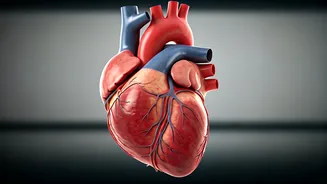
It compels the heart to exert excessive effort, leading to the thickening and stiffening of the vital left ventricle, diminishing its capacity to fill effectively. Concurrently, arteries are subjected to relentless pressure, causing them to lose their elasticity, become more susceptible to plaque buildup, and less able to buffer the heart's forceful contractions. This prolonged, silent internal remodeling paves the way for severe outcomes such as heart failure, coronary artery disease, strokes, and kidney damage, often progressing undetected until a critical event necessitates urgent intervention. The body's adaptation to elevated pressure masks these detrimental changes, making early recognition crucial.
Uncommon Early Indicators
Many individuals experience subtle bodily cues that, while often dismissed, can be early indicators of rising blood pressure. Persistent morning headaches, characterized by a dull, constricting sensation at the back of the head, may signify elevated nocturnal blood pressure, a known predictor of cerebrovascular events. An unusual and persistent feeling of fatigue or a diminished capacity for physical exertion, even after minor activities, can signal a weakening heart muscle due to hypertension, where the heart's reserve is dwindling. Observable throbbing or pulsations in the neck could suggest increased pulse pressure or arterial stiffness, warning signs of vascular compromise. Furthermore, subtle cognitive shifts, such as difficulty concentrating or a feeling of mental fogginess, might point to minor damage in the brain's small vessels caused by chronic hypertension, often misattributed to stress or aging. Occasional nosebleeds or spontaneous bleeding in the eye without trauma should also prompt a blood pressure check, as can frequent nighttime urination (nocturia), which may signal compromised kidney function due to high blood pressure. Lastly, experiencing shortness of breath when lying flat, a condition known as orthopnea, can be an early sign of heart failure developing from untreated hypertension.
Gender-Specific Symptoms
The manifestation of hypertension can differ significantly between genders, influencing detection and management. Women typically develop high blood pressure later in life, often post-menopause, and their symptoms tend to be more generalized and non-specific, including fatigue, anxiety, sleep disruptions, and palpitations. Early on, women are more prone to developing diastolic dysfunction, where the heart muscle stiffens, rather than overt systolic failure. These vague symptoms are frequently misconstrued as stress or hormonal fluctuations, potentially delaying diagnosis. In contrast, men often experience hypertension earlier and are more likely to present with classic cardiovascular complications like coronary artery disease and heart attacks. Their target-organ damage might be more readily recognized due to symptoms like chest pain or acute coronary syndromes. However, men can also overlook subtle signs of early exertional breathlessness, attributing them to a lack of fitness rather than a potential cardiac issue.
Proactive Steps
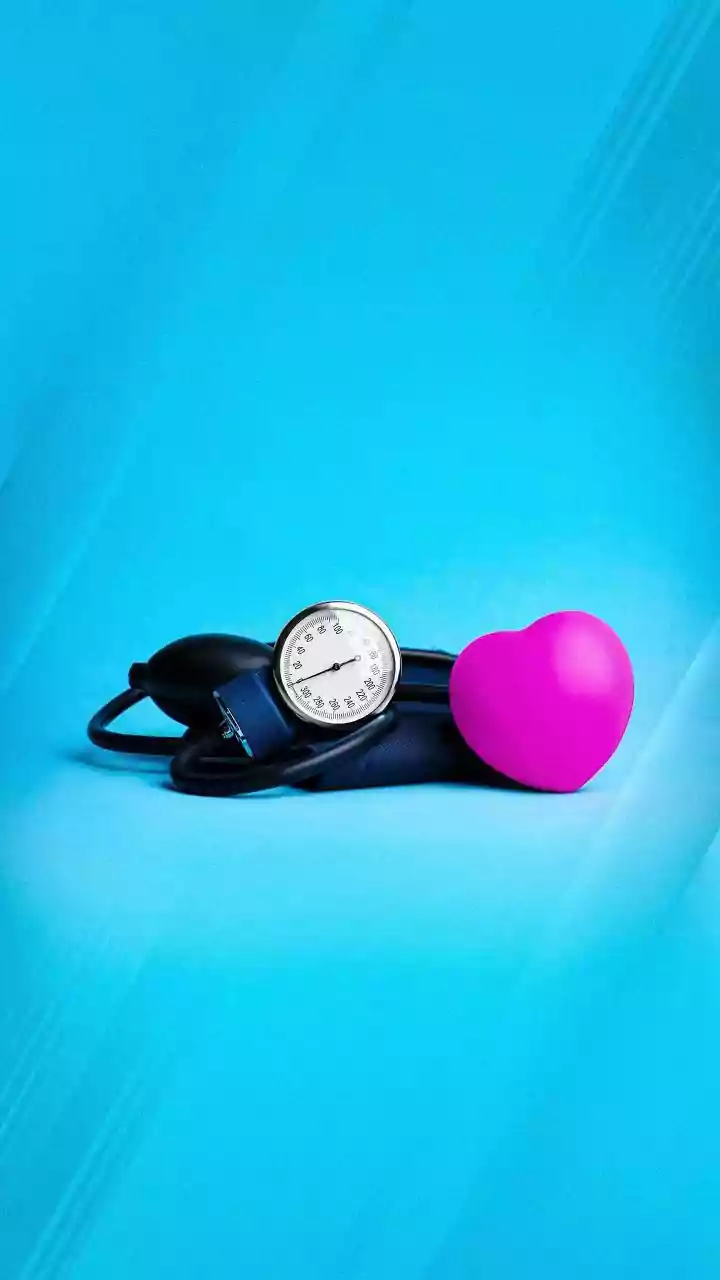
Taking proactive measures is paramount in managing and preventing the adverse effects of hypertension. Regularly monitoring your blood pressure at home, ideally twice daily over a week, provides a more comprehensive understanding than infrequent clinic readings. Documenting these measurements and sharing them with your physician is crucial for accurate diagnosis and effective treatment strategies, as intensive blood pressure control has been conclusively shown to significantly reduce cardiovascular events and mortality. It is vital not to dismiss vague or seemingly minor symptoms; persistent headaches, unexplained fatigue, frequent nighttime urination, or a general decline in cognitive function warrant a thorough cardiovascular evaluation. Recognizing sex-specific risks is also important: women with atypical menopausal symptoms and men experiencing early exertional breathlessness require prompt and specific medical assessment. Ultimately, early intervention through lifestyle modifications and appropriate medical therapy can mitigate the arterial stress that leads to severe cardiovascular disease, emphasizing that prevention is the most effective form of 'surgery'.