



Nurturing Nature's Bounty
The essence of India's most revered tea estates lies in their deep connection with nature and centuries-old cultivation practices. These plantations are
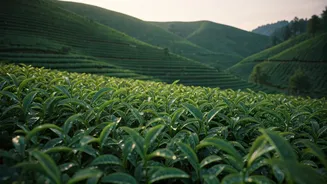
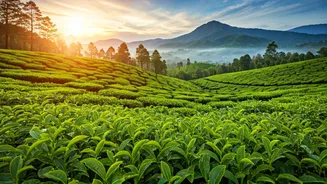
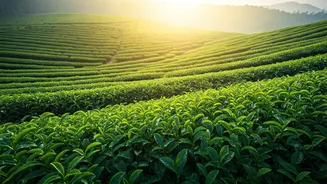
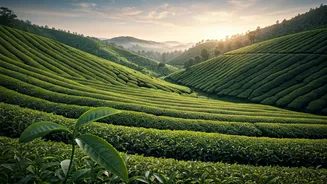
not merely agricultural sites but living heritage zones where the art of tea making has been perfected over generations. The soil composition, the precise altitude, and the microclimate of each region contribute to the distinct character of the teas produced. Expert gardeners meticulously tend to the tea bushes, employing traditional methods passed down through families, ensuring each leaf is plucked at its prime. This careful nurturing ensures the highest quality of tea, preserving the legacy of these historic estates. The journey from bush to cup is a testament to the dedication and passion poured into every harvest, creating teas that are celebrated globally for their unique profiles and rich aromas.
Whispers of History
Each historic tea plantation in India holds within its verdant slopes stories that echo through time. Many of these estates were established during the colonial era, transforming the landscape and weaving themselves into the fabric of India's socio-economic history. Walking through these plantations is like stepping back in time, with colonial bungalows, ancient machinery, and the enduring spirit of the planters who shaped them. The very air seems to carry tales of dedication, innovation, and the challenges overcome to cultivate these prized gardens. The cultural significance of these places extends beyond mere tea production; they represent a blend of global influences and local traditions, creating a unique heritage that continues to be preserved and celebrated. These estates are not just about growing tea; they are custodians of a rich historical narrative.
A Symphony of Flavors
The distinctiveness of Indian teas stems from the diverse terroir and meticulous processing methods employed across its historic plantations. From the 'Champagne of Teas,' Darjeeling, with its delicate muscatel notes, to the robust, malty flavors of Assam, and the crisp, aromatic profiles of Nilgiri teas, each region offers a unique sensory experience. The journey involves understanding the nuances of plucking, withering, rolling, oxidation, and drying, all of which are masterfully controlled to bring out the inherent qualities of the tea leaves. This intricate process, refined over centuries, transforms simple leaves into complex infusions that delight the palate and invigorate the senses. Experiencing these teas is an exploration of India's diverse landscapes and its enduring commitment to producing world-class beverages.