




The Rise of Doing Nothing
The prevailing notion that constant activity and a packed schedule equate to success is rapidly being challenged by a refreshing counter-movement. This
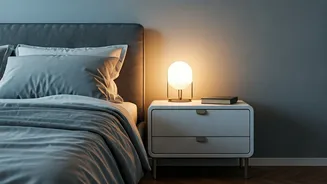
new wave celebrates the art of 'loudly relaxing,' where individuals are increasingly proud to showcase their weekends dedicated to rest, sleep, and simply being present at home. Far from a sign of laziness, this intentional slowdown is evolving into a recognized lifestyle trend. It champions the idea that one doesn't need to justify taking time off for personal rejuvenation. Social media platforms have become conduits for this shift, with people openly sharing their tranquil mornings and unhurried days, shedding the pressure to appear perpetually productive. This burgeoning culture empowers individuals to reclaim their time and prioritize their well-being without apology.
Mental Health and the Slowdown
In today's fast-paced world, the importance of slowing down for mental and emotional health can't be overstated. This trend towards intentional relaxation directly combats the detrimental effects of constant stress and overstimulation. By carving out time for genuine rest, individuals can significantly reduce anxiety levels and foster a greater sense of emotional equilibrium. The idea is to move away from an hour-by-hour occupation mindset and embrace weekends that are intentionally geared towards rejuvenation. Enjoying activities like cooking at home or simply unwinding indoors is now considered just as fulfilling as venturing out, highlighting a broader acceptance of varied forms of leisure and self-care.
Self-Care as a Priority
This shift towards embracing 'doing nothing' serves as a potent reminder that regular breaks and adequate rest are not luxuries but necessities for overall health. It’s about granting oneself permission to truly relax and engage in self-care practices, which fundamentally include periods of inactivity. In essence, this movement encourages a conscious recognition that recharging is as vital as any other demanding task. It reframes rest not as a passive state of idleness, but as an active and essential component of a balanced and fulfilling life, ensuring that personal well-being remains at the forefront of our priorities.