
Stretching: Your Weekly Reset
After a demanding week, your body often accumulates tension in ways you might not even notice. Engaging in a few deliberate stretching exercises can effectively
release this stiffness, sending a clear signal to your body that it's time to slow down and recover. A regular stretching routine is more than just a physical act; it's a crucial practice for restoring your body's natural range of motion. It gently guides your muscles back to their more relaxed, natural state, counteracting the cumulative effects of daily stresses and prolonged postures. This process helps to prevent the build-up of chronic tightness and promotes overall physical well-being, making it an essential component of self-care for anyone looking to decompress and rejuvenate.
Neck Relief Moves
Prolonged periods spent looking down at digital screens can lead to significant tightness and fatigue in the neck. Incorporating slow, deliberate neck rolls is an excellent way to combat this. These gentle movements help to ease the built-up tension surrounding your cervical spine, releasing stiffness and encouraging your upper body to settle into a more relaxed posture. By gradually tilting your head from side to side and then forward and back, you can create space and alleviate the discomfort associated with 'tech neck.' This simple practice offers immediate relief and promotes a greater sense of ease and openness in the neck and shoulder region.
Shoulder Stress Release
Stress and tension frequently accumulate in the upper back and shoulder muscles, particularly the trapezius. Performing shoulder rolls is a highly effective method to loosen these areas. By moving your shoulders in deliberate circular motions, either forwards or backward, you enhance the mobility of your shoulder joints and effectively reduce the stiffness that often arises from extended periods of desk work or repetitive tasks. This simple yet powerful exercise helps to circulate blood flow to these tight muscles, encouraging them to relax and release the accumulated burden of daily pressures, leading to a more comfortable and free-moving upper body.
Back Decompression Fold
The standing forward fold is a highly beneficial stretch that provides a deep and satisfying release through the entire spine, hamstrings, and lower back. This posture encourages a gentle decompression of the spinal column, helping to counteract the negative effects of prolonged sitting by lengthening the back muscles. As you fold forward, allow gravity to assist in creating space between your vertebrae. It's important to maintain a slight bend in the knees if your hamstrings are tight, focusing on the sensation of release along the entire posterior chain of your body, promoting flexibility and alleviating aches.
Spinal Rotation Ease
A gentle seated spinal twist is an excellent way to reintroduce movement into a stiff and restricted spine. This practice encourages healthy rotation through the back and waist, helping to release tension and promoting a feeling of lightness throughout the torso. By extending one arm and gently twisting your upper body towards the opposite side, you can effectively work on improving spinal mobility. This rotational movement stimulates the muscles of the core and back, aiding in the release of accumulated tightness and contributing to a more supple and comfortable posture, making your back feel more agile.
Posture Alignment Flow
The Cat-Cow stretch sequence offers a dynamic and effective way to gently mobilize the entire back. This movement involves alternating between arching your spine upwards (like a cat) and then dropping your belly towards the floor while lifting your head (like a cow). This rhythmic flow helps to increase flexibility along the spine, stimulates abdominal organs, and is particularly effective in improving posture by increasing awareness of your spinal alignment. Regularly practicing this sequence can help to counteract the slouching effects of daily life and promote a more upright and balanced stance, contributing to better overall spinal health and reduced discomfort.
Deep Relaxation Pose
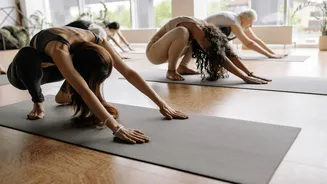
Child's Pose provides a profound opportunity for quiet contemplation and deep relaxation for both your body and mind. In this posture, you kneel on the floor, bring your big toes to touch, and spread your knees wide apart. Then, you fold forward from your hips, resting your torso between your thighs and extending your arms forward or resting them alongside your body with your forehead on the mat. The gentle sensation of your hips sinking back towards your heels and your spine lengthening creates a soothing release, allowing your body to let go of accumulated tension and find a sense of profound stillness and peace.
Full Body Awakening
Downward-Facing Dog is a powerful pose that simultaneously engages and stretches multiple muscle groups across the entire body. It works to strengthen the arms and shoulders, lengthen the posterior chain from the heels to the fingertips, and creates a balanced and invigorating stretch through the legs and hamstrings. This inversion also helps to improve circulation and can have an energizing effect. By pressing through your hands and lifting your hips high, you create an inverted 'V' shape, promoting flexibility and releasing tension throughout your back and limbs, making it a comprehensive full-body rejuvenator.
Lower Body Opening
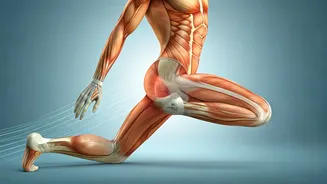
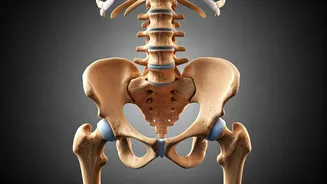
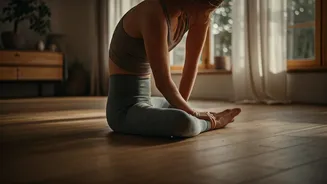
Combining a hip flexor stretch with the butterfly pose offers a comprehensive approach to opening the hips and inner thighs, significantly reducing stiffness in the pelvic region. The hip flexor stretch targets the muscles at the front of the hip, often tightened by sitting, while butterfly pose gently opens the inner thighs and groin. Together, these stretches work synergistically to support more comfortable and fluid movement in the lower body, releasing tightness that can contribute to lower back discomfort and improving overall flexibility and range of motion in the hips and legs.
Legs-Up Recovery
Concluding your stretching routine with the Legs-Up-the-Wall pose offers a gentle yet highly effective inversion that promotes calm and recovery. This passive stretch is ideal for relieving tired legs by reducing any swelling and encouraging blood flow back towards the torso. By simply lying on your back and extending your legs up against a wall, you allow your body to gently shift into a reset and recovery mode. This pose is deeply soothing, helping to calm the nervous system, alleviate fatigue in the legs, and prepare your body for a restful state, making it a perfect end to a revitalizing stretching session.