


Hidden Heat Escapes
Even when windows are shut tight, warmth isn't staying put. This is because heat naturally flows from warmer areas to colder ones, and glass, even modern
panes, offers minimal resistance. This continuous battle means the heat you've paid for is constantly seeping out towards the cooler window surface. This isn't just an issue with older frames or degraded seals; newer windows also allow for substantial thermal transfer. Despite being encased in robust wall structures, a single pane of glass is quite thin and cannot effectively combat the temperature difference between indoor and outdoor environments. Consequently, a persistent, subtle breeze often slips through the tiny gaps surrounding the glass, making rooms feel colder than they should. Researchers are actively seeking inventive and budget-friendly methods to mitigate these losses, and surprisingly, some solutions might already be at your doorstep.
Bubble Wrap's Warm Embrace
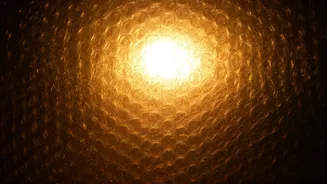
The humble bubble wrap, often associated with packaging fragile items, is emerging as an unlikely hero in the fight against heat loss. This inexpensive material, when applied to the interior of your window panes, acts as an effective thermal insulator. Its efficacy stems from the trapped air within its numerous bubbles. This creates a porous structure with significantly lower thermal conductivity than plain glass. Essentially, a layer of bubble wrap mimics the insulating properties of double-glazing at a minuscule fraction of the cost. The static air within the bubbles prevents convective air currents from carrying away precious warmth from near the cold glass surface. Furthermore, this ingenious solution doesn't obstruct your view, allowing natural light to continue entering your home.
Sealing the Small Leaks
Beyond the glass itself, tiny, often overlooked gaps in window frames are significant culprits of heat leakage. Even a window that appears firmly closed can allow a substantial amount of warm air to escape through these minute openings. Studies indicate that effectively sealing these gaps and employing airtight materials, such as specialised window covers, can reduce heat loss by approximately 33%. This highlights the crucial role of proper installation and the overall airtightness of windows, not just the type of glass used, in preventing excessive energy consumption during colder months. Addressing these hidden leaks is as vital as insulating the main window surface to maintain a comfortable indoor temperature and reduce your heating expenses.
Daily Habits for Warmth
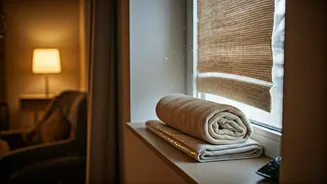
While taping bubble wrap to windows might seem unconventional, there are many simpler, everyday practices that can significantly improve your home's thermal efficiency and lower energy bills. Interior design elements can play a surprising role in insulation. For instance, closing interior roller shades or Venetian blinds at night acts as an effective secondary barrier against heat loss. Scientific trials conducted in regions with cold climates have demonstrated that keeping these internal window coverings fully closed after dark can reduce heat loss through windows by over 11%. The effectiveness of this method relies on the proximity of the shade to the window; a snug fit minimises air movement, thereby preventing the cold glass from chilling the room. This is a free and easy habit that can greatly enhance your comfort throughout winter.