








Revolutionary Long-Haul Travel
Get ready to witness a monumental shift in air travel with the imminent launch of the world's longest non-stop commercial flights. Set to commence in the first
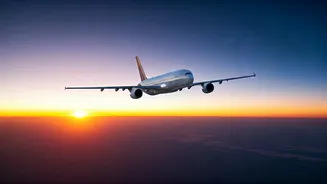
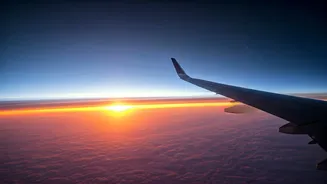
half of 2027, these ambitious routes will link Sydney directly to London and New York, covering over 10,000 miles without a single stop. The airline is deploying specially configured Airbus A350-1000ULR aircraft, designed for ultra-long-range missions. These journeys are expected to span approximately 22 hours, a duration so extensive that passengers will experience the surreal phenomenon of seeing the sun rise twice during a single flight, as the plane effectively chases daylight across the globe. This project aims to overcome the historical 'tyranny of distance' that has long characterized travel to and from Australia, fundamentally altering how people traverse the world. By eliminating traditional refuelling stopovers, these flights could shave up to four hours off current travel times, ushering in a new era of ultra-long-haul aviation.
The Science of Well-being
To combat the immense physical and mental demands of an almost 22-hour flight, significant research has been dedicated to passenger well-being. Partnering with the Charles Perkins Centre at the University of Sydney, the airline has explored innovative strategies to mitigate fatigue and jet lag. This collaboration has directly influenced cabin design elements, including sophisticated lighting systems that aim to replicate the distinctive quality of light found in the Australian Outback, and meticulously timed meal services designed to align with passengers' natural circadian rhythms. The goal is to facilitate an easier adjustment to new time zones upon arrival. Furthermore, the aircraft will feature a dedicated 'wellness zone' at 35,000 feet, conceptualized as a space for passengers to manage the strain of prolonged travel. This area will offer healthy refreshments to promote hydration, alongside ample room for stretching and light exercise. Interactive screens will guide passengers through stretching routines, and strategically placed handles will aid movement, creating what is described as a 'yoga studio (of sorts)' at cruising altitude, also serving as a social hub.
Cabin Design and Comfort
The interior of these ultra-long-haul aircraft has been meticulously crafted to balance aesthetic appeal with stringent engineering requirements, a complex task undertaken by a dedicated team over two years. The focus is on providing an unparalleled passenger experience, even on such an extensive journey. A key feature is the significantly reduced seat density compared to standard A350 configurations. Instead of the usual 300-plus seats, these specialized planes will accommodate 238 passengers across various classes: 6 First-Class suites, 52 Business suites, 40 Premium Economy seats, and 140 Economy seats. This lower density ensures more personal space, allowing passengers greater freedom to move around during the flight. Additionally, high-speed Wi-Fi will be available to all passengers at no extra cost, ensuring connectivity throughout the journey. The commitment to comfort and the reduction of travel-related stress is evident in every aspect of the cabin's design.
A Nod to Aviation History
The evocative name 'Project Sunrise' for this groundbreaking initiative pays homage to a unique aspect of ultra-long flights and echoes a piece of aviation history. Passengers on these extended journeys are anticipated to witness the sun rising twice, a remarkable phenomenon stemming from the flight's trajectory across multiple time zones. The name also draws inspiration from historical flights during World War II, specifically the 'Double Sunrise' missions that operated between Perth and Ceylon (now Sri Lanka). These endurance flights were so prolonged that the sun would indeed rise twice during their operation. This new project, by completing journeys that once took several days in a single flight, represents a dramatic evolution from the early days of the 'Kangaroo Route' between Sydney and London. In the 1940s, passengers aboard Lockheed Constellation aircraft made numerous stops, often overnight, across continents, travelling in cramped, noisy cabins on propeller-driven planes. The transformation to today's ultra-long-haul flights, capable of covering vast distances non-stop, highlights the incredible advancements in aviation technology and passenger comfort.