





Peppermint's Pungent Power
When summer breezes in, so do unwanted reptile visitors, but nature offers a simple solution. Peppermint, with its invigorating and sharp aroma, acts as
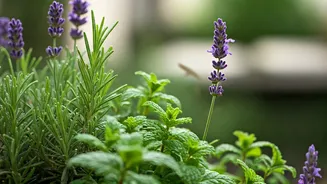
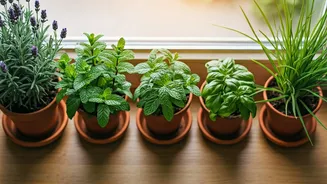
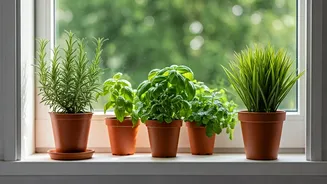
a potent deterrent for lizards. This plant's strong scent overpowers their senses, making any area it inhabits unappealing to them. Strategically placing pots of peppermint near entry points like windows, balconies, or the edges of your kitchen can effectively create a barrier. Beyond just lizards, peppermint's fragrance is also known to repel common household pests such as ants and mosquitoes, effectively doubling its utility as a natural bug shield. It's remarkably easy to cultivate, thriving both indoors and outdoors, thus ensuring a fresh, pleasant environment throughout your home while keeping lizards at bay.
Lemongrass: Citrusy Defense
Lemongrass is another excellent botanical ally in the fight against lizards, primarily due to its inherent citronella content. This citrusy compound not only lends a refreshing aroma but also serves to disrupt the food chain for lizards by repelling the insects they prey on. By planting lemongrass along garden borders or near doorways, you create an aromatic perimeter that discourages both lizards and their insect meals from entering your living space. This low-maintenance plant is also a staple in many Indian kitchens for teas, adding a layer of culinary usefulness to its pest-repelling qualities. Furthermore, lemongrass adapts well to container gardening, making it a versatile choice for balconies and patios.
Tulsi's Traditional Aroma
Rooted in Indian tradition, Tulsi, or holy basil, offers a potent aromatic defense against lizards. The distinctive and strong fragrance emanating from Tulsi leaves is something these reptiles actively avoid, making it an ideal plant for natural pest control. Placing pots of Tulsi near entrances such as doors and windows, or in sunny indoor spots, establishes a scent barrier that deters lizards. Beyond its repellent properties, Tulsi is renowned for its significant health benefits and its ability to purify the air, making it a valuable addition to any household. As a common kitchen staple, it's also practical to grow year-round, ensuring continuous protection against unwanted reptilian guests.
Garlic's Sulfurous Shield
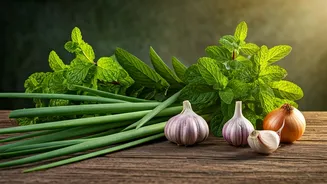
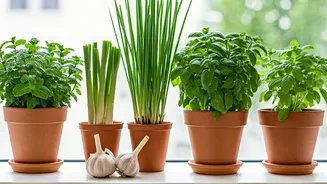
The potent, sulfurous odor of garlic is a powerful natural repellent for a variety of reptiles, including lizards. Its bold and pungent smell creates an environment that is highly unpleasant for them, effectively warding them off from your home. To maximize its effectiveness, consider placing pots of garlic near entry points, in kitchen gardens, or even crushing a few cloves to amplify the scent. Cultivating garlic is a straightforward process, and its benefits extend to repelling other common garden pests as well. This makes it a practical and simple solution for veggie patches or balconies where lizards might try to find refuge.
Onion's Irritating Presence
Similar to garlic, onions possess a sharp and irritating aroma that effectively disrupts a lizard's navigation and comfort. Their pungent smell creates an unwelcoming zone, discouraging them from entering or lingering in areas where they are planted. For an enhanced effect, combining onions with garlic can create a formidable dual-scent barrier. Onions are remarkably easy to grow, even in small spaces, making them a convenient addition to balconies or kitchen gardens. Beyond their pest-repelling capabilities, they also offer culinary utility, providing a practical and natural solution to keep your home lizard-free.