





Indian Cleansers: Soapberries & Amla
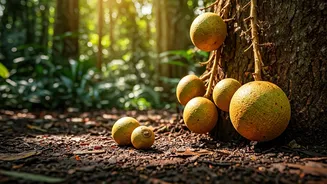
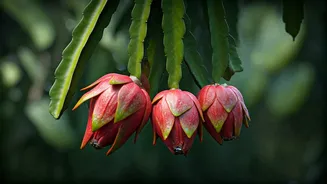
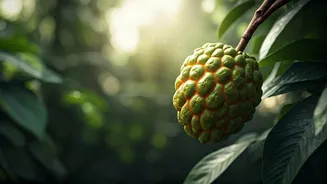
Long before synthetic detergents, ancient India harnessed the power of nature for hair care. A popular concoction involved boiling soapberries, known locally
as 'reetha,' along with amla. These ingredients, when simmered together, created a mild, naturally foaming agent that effectively cleansed the hair while simultaneously imparting nourishment. This ancestral practice highlighted a sophisticated understanding of botanical properties for personal hygiene, offering a gentle yet effective alternative to harsh chemicals that would dominate hair care much later in history.
Greek & Roman Grooming
In the classical world of ancient Greece and Rome, the concept of daily hair washing was largely absent. Instead, their approach to hair management focused on a different set of principles. They frequently employed the use of various oils, such as readily available olive oil, not just for styling but also as a means of keeping hair clean and manageable. Regular and thorough combing was a crucial part of their routine, helping to distribute natural oils, remove dirt and debris, and maintain the hair's overall appearance and health, a testament to a less frequent, but still effective, hair care strategy.
Plant-Based Lather Sources
The ingenuity of ancient civilizations extended to identifying plants that possessed natural cleaning properties. Certain flora, like soapwort and yucca, were found to contain compounds called saponins. These natural substances, when agitated with water, produce a gentle, foamy lather. This discovery allowed people to create rudimentary, plant-derived cleaning solutions for their hair, serving as an early form of bio-shampoo. These botanical wonders offered a mild yet effective way to lift impurities without resorting to the more abrasive methods sometimes used.
Asian Rice Water Tradition
Across various regions in China, a unique and enduring hair care tradition centers around rice water. The cloudy liquid left behind after rinsing rice was—and still is—used as a hair wash. This practice is steeped in the belief that rice water possesses remarkable properties capable of strengthening the hair shaft and imparting a lustrous shine. This ancient technique, still cherished today, demonstrates a long-standing appreciation for the subtle benefits of natural ingredients in promoting hair vitality and beauty.
Medieval Cleaning Mixtures
During the medieval period, particularly within more affluent households, elaborate and varied concoctions were used for hair cleansing and conditioning. These mixtures often incorporated ingredients like the whites of eggs, valued for their protein content, and ashes, which acted as a mild abrasive and absorbent. A variety of herbs were also frequently added, likely for their fragrance and perceived beneficial properties. These complex, multi-ingredient approaches reflect a desire for both cleanliness and a degree of conditioning in an era predating modern cleaning agents.
Simplicity of Water & Combing
For a vast majority of people throughout history, the primary method for hair maintenance was surprisingly simple: plain water and infrequent washing. The focus was less on frequent, deep cleansing and more on consistent, basic care. Daily or regular combing played a pivotal role, helping to detangle, remove loose debris, and distribute the hair's natural oils. This minimalist approach underscores that effective hair care did not always require elaborate products, but rather a disciplined routine of gentle maintenance.