


Understanding Wedding Etiquette
Attending a wedding is a joyous occasion, and your attire plays a role in honoring the couple and the significance of their special day. While personal
style is important, it's crucial to remember that the spotlight should remain firmly on the newlyweds. This means considering the overall tone of the wedding – is it a formal affair, a casual beach ceremony, or a vibrant cultural celebration? Each context calls for a different approach to dressing. For instance, overtly revealing outfits, excessively short hemlines, or garments in the same color as the bride's traditional attire (often white or ivory in Western cultures, though this can vary greatly in India) are generally best avoided. The goal is to be elegant and celebratory, complementing the festivities rather than competing for attention. Understanding the dress code, if provided, is your first step in ensuring your ensemble is both fashionable and considerate of the occasion's sanctity.
Balancing Trend and Tradition
The modern wedding guest has a plethora of stylish options, but the key lies in achieving a harmonious blend of current fashion trends and timeless wedding appropriateness. Incorporating popular silhouettes or colors is perfectly acceptable, but it's how you integrate them that matters. For example, if bold prints are in vogue, choose one that feels sophisticated rather than overwhelming for a wedding setting. Similarly, if cut-outs are trending, opt for subtle placements that add a modern edge without being too revealing. Think about fabrics; luxurious silks, elegant georgettes, and rich brocades often lend themselves well to wedding attire. It’s about interpreting trends through a lens of respect for the event. You can be fashion-forward by selecting a contemporary design, but ensure it aligns with the dignity of a wedding ceremony and reception. This thoughtful approach ensures you look on-trend while remaining a graceful attendee.
When to Play It Safe
There are certain situations where leaning towards a more conservative and universally appropriate outfit is the wisest choice, especially if you're unsure about the wedding's formality or cultural nuances. For very formal weddings, a floor-length gown or a sophisticated anarkali suit is a classic and safe bet that always looks elegant. For more casual events, a well-tailored midi dress or a chic salwar kameez ensemble can be perfect. The principle here is to avoid any potential fashion faux pas that could arise from being too casual, too revealing, or too attention-grabbing. Consider the venue; a beach wedding might call for lighter fabrics and less structured silhouettes compared to a grand ballroom event. If a specific dress code isn't communicated, err on the side of understated glamour. Focus on impeccable fit, quality fabrics, and sophisticated accessories to elevate your look without taking any sartorial risks that might detract from the couple's momentous day.
Making a Subtle Statement
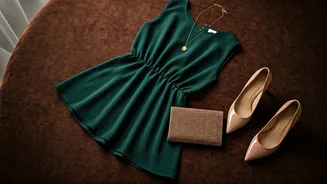
Making a memorable style statement as a wedding guest doesn't necessitate being ostentatious. Instead, focus on refined details and thoughtful choices that showcase your personality while respecting the celebratory atmosphere. Consider unique embellishments, such as intricate embroidery, delicate beadwork, or subtle sequin accents, that add a touch of glamour without being overpowering. A well-chosen accessory can also transform an outfit; think statement earrings, a stylish clutch, or elegant footwear that complements your attire. The cut and silhouette of your outfit can also speak volumes; a gracefully draped saree, a well-fitted kurta set with interesting sleeves, or a contemporary lehenga with subtle detailing can be both fashionable and appropriate. The aim is to draw admiration for your taste and elegance, not to steal the spotlight. By focusing on quality craftsmanship and tasteful design elements, you can ensure your look is both sophisticated and perfectly suited for a wedding celebration.