




Feel the Freshness
The most straightforward method to discern superior anjeer lies in its tactile sensation. Top-tier figs possess a naturally soft and yielding texture,
often described as spongy. Conversely, if your chosen fruit feels rigid and dry to the touch, it's a strong indicator that its freshness and natural sweetness have diminished. Opt for those that exhibit a gentle stickiness and a pleasant give when lightly pressed; this slight pliability is a hallmark of prime quality and rich, inherent sweetness. A gentle squeeze before purchase will offer significant insight into the fig's overall condition and potential enjoyment.
Color Clues Matter
The visual appeal of anjeer, specifically its hue, offers valuable clues about its freshness and quality. Generally, ripe and sweet figs present a pleasing light brown or golden-brown coloration. Any deviation towards an excessively dark shade, a dull appearance, or the presence of unsightly black spots could suggest that the figs are past their prime or have been subjected to suboptimal storage conditions. An uniformly colored exterior, devoid of prominent cracks or signs of dryness, typically signifies a fig of exceptional quality. Paying attention to these chromatic indicators can significantly guide your selection towards the best available produce.
Aroma of Sweetness
A discerning nose can often lead you to the most delectable anjeer. Naturally sweet figs usually emit a subtle, pleasant, and clean fragrance, especially when purchased loose. This delicate scent is a positive sign, indicative of their freshness and natural state. If the figs carry a sour undertone or, conversely, lack any discernible aroma, it’s advisable to steer clear, as this may signal a compromise in their quality. It's also worth noting that genuinely sweet figs achieve their flavor naturally, without the need for added sugars. Therefore, it is always best to avoid figs that have a visible sugary coating, preferring those that rely on their inherent sweetness.
Inside Story Revealed
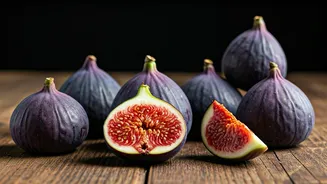
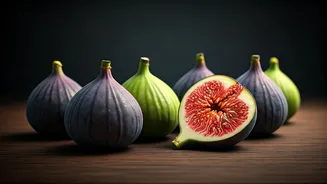
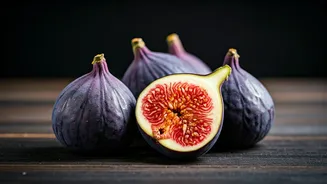
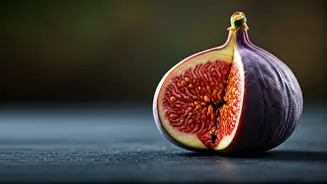
Another effective technique for evaluating anjeer involves examining its internal composition. When a fig is split open, one anticipates finding a dense, rich interior teeming with numerous small seeds. These seeds are an integral part of the fig's structure, contributing significantly to its overall taste profile and nutritional value. A well-formed, high-quality fig will appear robust and fully developed internally. In contrast, a fig of lesser quality might reveal a dry, hollow, or underdeveloped core, signaling a less satisfying experience both in terms of texture and flavor.
Avoid Dryness Pitfalls
Overly dry or exceptionally hard figs are a clear warning sign that the fruit has likely lost a significant portion of its natural moisture or has been stored for an extended duration. Such fruits tend to be less flavorful, lacking the desirable sweetness, and can be quite challenging to chew. Fresh anjeer should always retain a degree of softness and internal moisture, even when dried. While dried varieties are inherently less juicy than their fresh counterparts, they should still possess a yielding texture rather than feeling stone-like or brittle.
Storage Savvy
The way anjeer is kept prior to purchase plays a crucial role in its final quality. Ideally, figs should be stored in a location that is both cool and dry, shielded from direct sunlight. When browsing figs in a retail setting, observe the storage conditions. Look for fruits that are displayed in clean, well-sealed containers. This practice helps protect the figs from environmental damage, prevents excessive moisture loss, and minimizes the risk of spoilage, ensuring you're selecting produce that has been handled with care.