



Visible Swimwear Choices
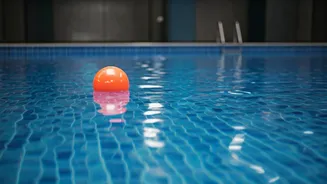
Choosing the right swimwear color is a simple yet impactful safety step. When children wear light or muted colors, their attire can easily blend with the pool
water, making them difficult to spot, especially in emergencies. Opting for dark, vibrant, or high-contrast shades like deep blues, reds, or oranges significantly boosts visibility. This makes it much easier for supervisors to keep track of a child's location within the pool at all times, thereby aiding swift action if any distress occurs. This visual cue is invaluable for quick identification and immediate response when seconds count.
Hair and Drain Safety
The powerful suction of pool drains poses a significant danger, as hair can easily become trapped, leading to perilous situations for swimmers of all ages. To mitigate this risk, it's crucial to keep long hair securely tied back in a tight bun or braid, or to ensure children wear a well-fitting swim cap. Before any child enters the water, a quick inspection of drain covers is also recommended to confirm they are securely fastened. This proactive approach prevents hair entanglement, a hazard that can incapacitate swimmers in moments, turning a fun swim into a life-threatening emergency.
Undivided Supervision
Maintaining constant, attentive supervision is paramount, as accidents around swimming pools can unfold in mere seconds. Proximity alone is insufficient; parents must remain fully engaged and free from distractions like mobile phones, books, or lengthy conversations. Even if a child is a proficient swimmer, an adult's watchful presence is non-negotiable. This dedicated attention ensures that any sign of distress or trouble can be spotted and addressed immediately, preventing minor issues from escalating into severe incidents. Active, undistracted oversight is the most effective safeguard.
Poolside Hazard Reduction
Risks extend beyond the water's edge, with hard surfaces around pools presenting a serious fall hazard. To minimize these dangers, children must adhere to strict rules. Running near the pool should be strictly prohibited, as should rough play like pushing or shoving, which can lead to slips and falls onto unforgiving surfaces. Entry and exit from the pool should always be done slowly and cautiously, utilizing ladders rather than jumping or sliding. Enforcing these guidelines creates a safer environment both in and out of the water, preventing injuries that can be as severe as those in the water.
Emergency Preparedness
Equipping children with basic emergency response knowledge before they even enter the pool is a vital aspect of water safety. It's essential to teach them the importance of vocalizing distress by calling out for help loudly, rather than remaining silent. Furthermore, children should understand that if they experience feelings of dizziness, excessive coldness, or exhaustion while swimming, they should exit the pool immediately. This empowers them to recognize their own physical limits and take decisive action to ensure their safety, fostering a sense of self-reliance in aquatic environments.