




The Post-Meal Sugar Surge
Many individuals experience an undeniable desire for something sweet immediately following a meal, even when not feeling physically hungry. This phenomenon,
often dismissed as mere habit or preference, is increasingly understood by science as an indicator of metabolic imbalance. When meals are predominantly composed of refined carbohydrates like rice or roti, they can cause a rapid elevation in blood glucose levels. In response, the body releases insulin to manage this surge. However, if the meal lacks sufficient protein and fiber, the subsequent drop in blood sugar can be precipitous. This rapid decline creates a sensation of energy depletion, prompting the brain to seek immediate replenishment, which it interprets as a craving for sugar. This cycle, sometimes referred to as reactive hypoglycemia, is experienced not as a medical condition but as an overpowering urge for sweets.
The Protein Deficiency Puzzle
A significant contributor to these persistent post-meal sweet cravings is often a deficiency in dietary protein. Protein performs a crucial role beyond muscle development; it fundamentally influences how our bodies process food and signals satiety. By slowing down digestion and stabilizing blood sugar levels, protein helps us feel full and satisfied for longer periods. When a meal is insufficient in protein, the body misses these key satiating cues, prompting the brain to search for quicker energy sources, such as sugars. Scientific evidence indicates that incorporating around 20–30 grams of protein into meals can substantially curb these cravings. This emphasizes a shift in dietary composition rather than an increase in overall food consumption, highlighting the importance of protein for sustained satisfaction and reduced sugar urges.
Your Gut's Sweet Influence
The composition of our gut microbiome also plays a role in dictating our food preferences, including those sweet cravings post-meal. The bacteria residing in our digestive system adapt to the types of food we consistently consume. Diets rich in simple carbohydrates tend to foster an environment where sugar-loving bacteria flourish. Consequently, if your regular meals are characterized by low protein and high refined carbs, your gut bacteria may actively encourage a desire for sugary foods. This biological influence can reinforce eating patterns, making it feel like more than just a personal choice. The interconnectedness between diet, gut health, and cravings underscores a complex interplay that influences our food choices and metabolic responses.
Beyond Biology: Psychological Triggers
It's important to recognize that not all post-meal sweet cravings are purely physiological. Psychological conditioning can significantly contribute to this habit. Over time, the brain can associate the end of a meal with a pleasurable reward, often leading to a small release of dopamine, which enhances the feeling of completion. This learned behavior can create a strong mental link between finishing food and seeking a sweet treat. However, even in these instances, a stable blood sugar level can help mitigate these emotional cravings. When the body is nutritionally balanced, the urge to indulge in sweets due to psychological associations tends to diminish, suggesting that addressing both biological and behavioral factors is key.
Strategies for Breaking the Cycle
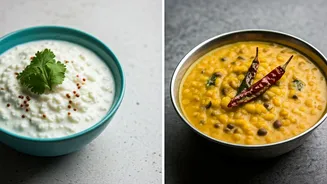
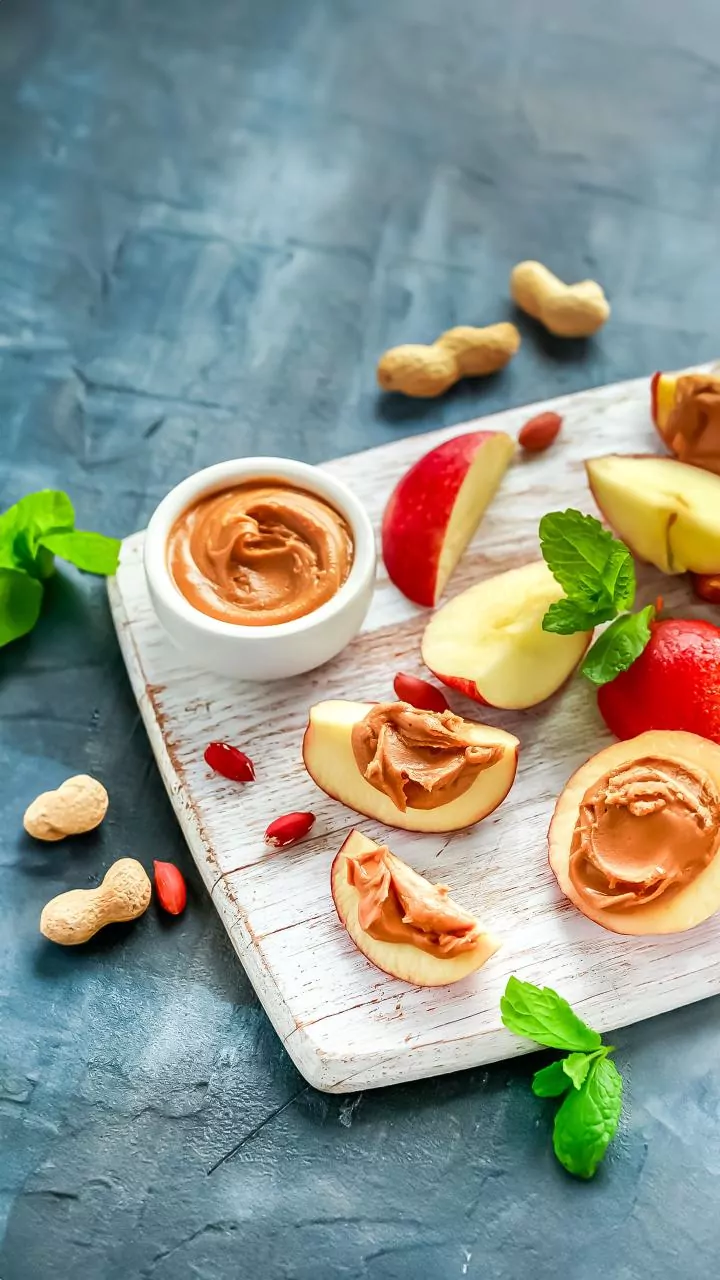
Overcoming the habit of reaching for sweets after every meal doesn't necessarily require drastic dietary restrictions. Instead, focusing on small, impactful adjustments to your plate can yield significant results. Prioritizing a substantial protein source, such as eggs, dal, paneer, tofu, or fish, can dramatically alter your post-meal satisfaction levels. Complementing this with fiber-rich vegetables further aids in slowing digestion effectively. Hydration is also crucial, as mild dehydration can sometimes be mistaken for a craving. Additionally, adequate sleep is vital, as fatigue directly impacts hunger hormones, often leading the body to seek quick energy from sugar. Gradually altering the automatic association between finishing a meal and consuming something sweet, rather than forcefully suppressing the urge, is a more sustainable approach to breaking this ingrained pattern.