






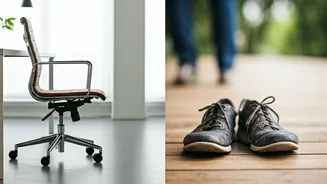
The Calf's Crucial Role
Our calf muscles play a surprisingly significant role, often referred to as the body's 'second heart,' due to their ability to aid blood circulation from
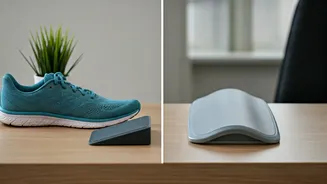
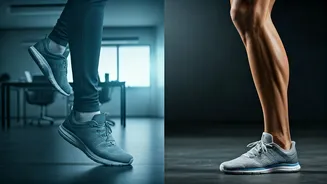
the lower extremities back towards the heart. When we remain seated for extended periods, this vital circulatory function can falter, leading to uncomfortable sensations like leg heaviness or noticeable swelling. Simple movements, such as performing seated calf raises by lifting the heels up and down, can effectively keep these muscles engaged. This action helps to promote better blood flow, offering a practical solution for maintaining activity even during prolonged sitting. While not a substitute for comprehensive physical activity, these exercises are a valuable tool for those facing long hours at a desk, ensuring that the lower legs don't become stagnant and aiding the natural pumping mechanism of the circulatory system.
Walking: The Full Body Champion
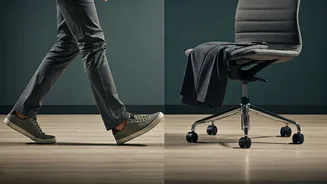
Walking emerges as a superior option for overall activity, engaging a wider array of muscle groups including those in the legs, hips, and core. This form of movement significantly enhances blood circulation, contributes positively to cardiovascular health, and is remarkably effective at alleviating the stiffness that often accompanies prolonged periods of sitting. Even brief walking intervals, as short as 5 to 10 minutes taken during natural breaks, can yield a discernible improvement in how you feel. Although seated calf raises have their place, particularly when immediate opportunities to stand and move are scarce, walking offers a more holistic approach to staying active and combating inactivity.
Deskbound Strategies Defined
For individuals whose professional lives necessitate prolonged sitting, both walking and seated calf raises offer distinct advantages, though their impact varies. Walking is highly beneficial, as it stimulates multiple muscle groups simultaneously, boosts blood flow, supports the health and mobility of joints, and mitigates the risks associated with stiffness and potential blood clots. It's a widely accessible activity that also bolsters heart health and assists in weight management. Seated calf raises, conversely, are best utilized when continuous ambulation isn't feasible, such as during extended periods at a workstation. These exercises specifically target the calf muscles, improving venous return and reducing lower leg swelling, but they lack the comprehensive, full-body benefits that walking provides.
The Synergistic Approach
The most advantageous strategy for individuals with sedentary jobs involves integrating both walking and seated exercises. Incorporating short walks, even just a few minutes each hour, helps to reset the body's rhythm and significantly reduces feelings of stiffness. Supplementing these walks with seated movements, such as calf raises or ankle rotations, ensures that the legs remain actively engaged throughout the day. This consistent, albeit small-scale, physical engagement throughout the day proves more beneficial than infrequent, extended periods of intense exercise followed by prolonged inactivity. Prioritizing simple, regular movements is key to maintaining joint comfort and overall bodily mobility, fostering a healthier and more active workday.