




Idli: South Indian Staple
Idli, a steamed rice cake, stands as a cornerstone of South Indian cuisine, and is a great way to start your Makar Sankranti day. Typically, this fluffy,
cloud-like creation is made by steaming a fermented batter of rice and urad dal (black lentils). The fermentation process gives it a slightly tangy taste and a soft texture. Served with sambar (a lentil-based vegetable stew) and coconut chutney, idli is a complete and nutritious meal. Its simplicity and ease of preparation make it a popular choice for breakfast, and it is easily customizable to be vegan and gluten-free. For a Makar Sankranti twist, you can add seasonal vegetables to the batter or serve it with special chutney.
Dhokla: Gujarati Delight
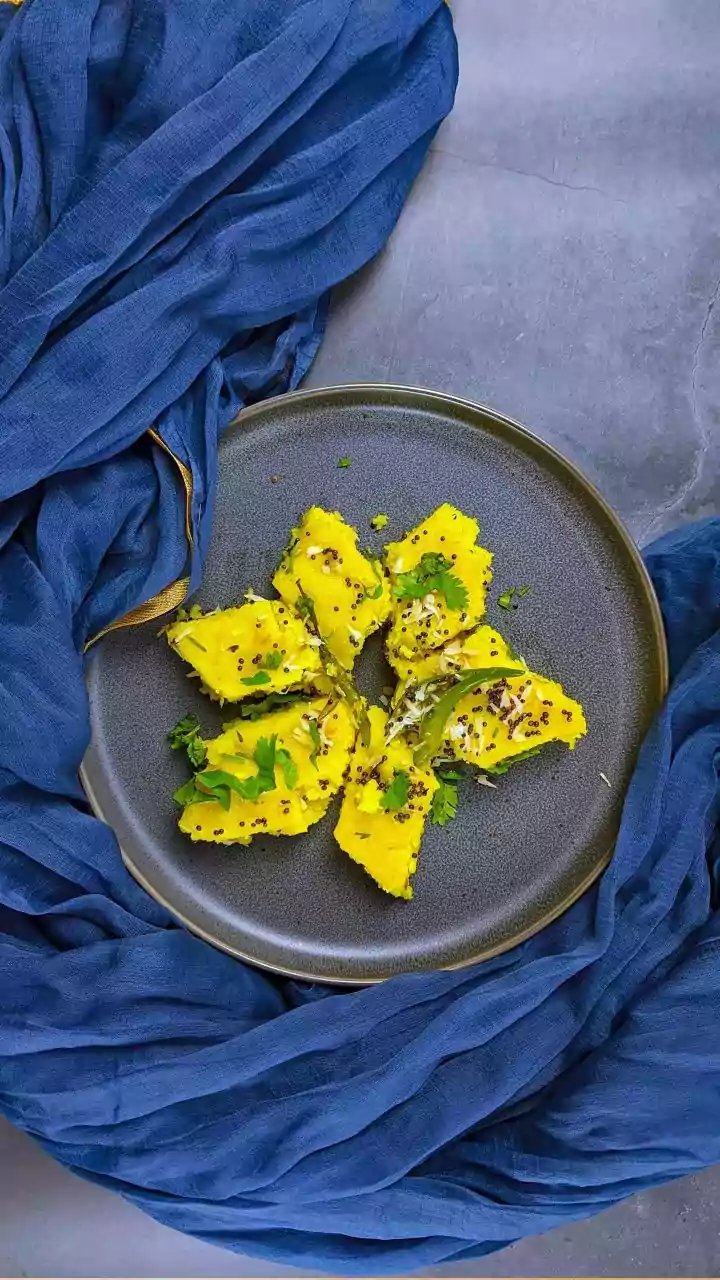
Dhokla, a savory steamed cake from Gujarat, is a light and fluffy treat, perfect for breakfast during Makar Sankranti. The batter is made from fermented batter, usually a mix of gram flour (besan), semolina (suji), and spices. The fermentation process is crucial for its signature airy texture. Once steamed, it's often tempered with mustard seeds, curry leaves, and a touch of asafoetida. Dhokla is enjoyed with green chutney, tamarind chutney, or even a simple sprinkle of sev (crispy gram flour noodles). It’s not only tasty but also relatively quick to make, making it a favorite for busy mornings. Its unique flavor profile and textural appeal make it an excellent choice for a festive breakfast.
Modak: Maharashtrian Sweet
Modak, a sweet dumpling popular in Maharashtra, is usually associated with the Hindu God Ganesha, but it can also be a delightful treat during Makar Sankranti. The outer covering is made from rice flour or wheat flour dough, and the filling typically consists of grated coconut and jaggery. The dumplings are steamed until cooked through, which takes about 10-15 minutes. Modaks can be enjoyed hot or cold, making them a versatile choice for breakfast. The contrast of the sweet filling and the soft, chewy outer shell is a treat for the taste buds. Modaks can provide a great start to your day with something sweet and traditional.
Puttu: Kerala’s Staple
Puttu, a steamed rice cake popular in Kerala, is a beloved breakfast dish, perfect for a Makar Sankranti brunch. The main ingredient is rice flour, which is layered with grated coconut in a cylindrical steamer. As the steam passes through, it cooks the rice flour and infuses it with the flavor and fragrance of the coconut. Served with kadala curry (black chickpea curry) or sweetened coconut and banana, puttu offers a filling and flavorful breakfast. The combination of textures—the fluffy puttu and the rich curry—makes it a truly satisfying meal. Its preparation may seem complex, but the end result is worth it.
Idiyappam: String Hoppers
Idiyappam, also known as string hoppers, is another delightful South Indian breakfast option, perfect for your Makar Sankranti celebration. These are essentially steamed rice noodles made from rice flour, pressed into noodle form, and then steamed. The light and delicate texture of idiyappam makes it very appealing. They are usually served with stew, vegetable korma, or even sweetened coconut milk. The simplicity and versatility of idiyappam make it a great breakfast choice. The preparation may require special equipment, but the result is a light and delicious meal.
Khaman: Another Gujarati
Khaman, a Gujarati savory snack similar to dhokla, makes for an excellent breakfast option for Makar Sankranti. It is made from a batter of gram flour (besan) and spices. The batter is steamed until it becomes light and fluffy. A tempering of mustard seeds, curry leaves, and green chilies is then poured over the steamed cake, enhancing its flavors. Khaman is often served with green chutney and is a popular street food and breakfast item. It’s light, flavorful, and easy to make, making it a great choice for a quick and satisfying morning meal. It’s an accessible dish, easy to be made by anyone.
Rice Dumplings: Versatile Bites
Rice dumplings, a versatile breakfast dish that varies across India, can be a great addition to your Makar Sankranti spread. These can be prepared in different ways, but the basic idea involves steaming a dumpling made from rice flour, sometimes with added lentils or vegetables. The fillings can also vary widely, from savory spiced mixtures to sweet coconut and jaggery. In some regions, they are served with a spicy chutney or a sweet syrup. Their adaptability and regional variations make rice dumplings a unique and interesting dish. Experiment with different recipes from across India to find the perfect dish for your Makar Sankranti celebrations.
Malpua: Sweet Treat
Malpua, a sweet pancake-like dish, can be steamed and enjoyed during Makar Sankranti, adding a touch of sweetness to the morning meal. The batter is made from a combination of all-purpose flour (maida), semolina (suji), and milk or yogurt. The batter is then steamed or shallow-fried until golden brown. They are often soaked in a sugar syrup to enhance their sweetness. Malpuas are often garnished with nuts and dry fruits, adding to their festive appeal. Their sweet and rich flavors make them a delightful way to start the day. Remember, it’s not steamed in the traditional sense, but can be added in to showcase the variety of preparations.
Poha: Flattened Rice
Poha, a popular Maharashtrian breakfast, can be a quick and delicious steamed option, especially if you prefer a lighter start to your day. While typically sauteed, poha can be steamed to soften the flattened rice. The poha is mixed with spices, onions, and often potatoes. Steaming adds a soft texture. It can be garnished with fresh coriander, lemon juice, and sev. It is a nutritious, easily prepared, and incredibly adaptable meal. It’s also very customisable, and can be made vegetarian or vegan.
Momos: North-Eastern
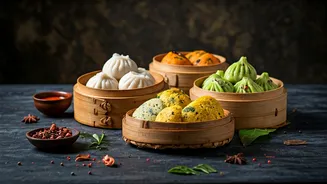
Momos, steamed dumplings that originated in the Himalayan region, have become increasingly popular throughout India and make for an interesting breakfast addition. These dumplings are typically filled with vegetables and/or meat and are steamed until cooked. They are usually served with a spicy chutney and a soup. Momos offer a different flavour profile from traditional South and West Indian breakfast options. Their preparation is simple and can be made at home, providing a savoury, satisfying way to start the day, especially on a chilly Makar Sankranti morning. This inclusion showcases the diversity of Indian breakfast traditions.