





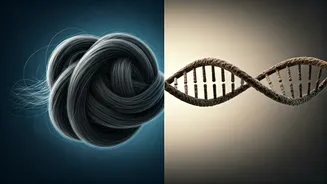
What is DHT?
Dihydrotestosterone, or DHT, is a naturally occurring hormone derived from testosterone, present in both men and women, though in varying amounts. It plays
a crucial role in male development during puberty, influencing characteristics like body hair growth and voice deepening. While not inherently detrimental, DHT becomes a concern for hair health when hair follicles develop a heightened sensitivity to it. This sensitivity is often genetically inherited, meaning a family history of hair loss can increase your likelihood of experiencing similar issues. When DHT binds to these sensitive follicles, it initiates a process that gradually impacts hair growth cycles, leading to progressively thinner and weaker strands over time.
Spotting DHT Hair Loss
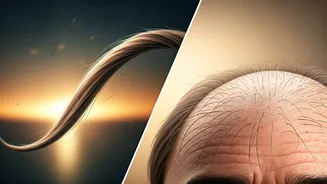
Identifying DHT-related hair loss requires observing specific patterns rather than sudden, dramatic shedding. One of the primary indicators is a gradual thinning of hair volume that occurs over months or even years, a stark contrast to temporary hair fall. For men, a classic sign is a receding hairline, often starting at the temples and creating an 'M' shape, alongside thinning at the crown. Women typically experience hair thinning differently, noticing a less voluminous ponytail or a visibly wider parting. Another significant clue is a change in hair texture; if once thick strands become noticeably finer and wispy, it's a strong signal. Lastly, a family history of baldness or significant thinning in parents or grandparents raises the probability of experiencing DHT hair loss yourself.
Normal vs. DHT Hair Fall
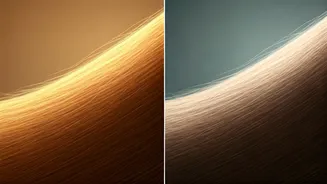
It's crucial to distinguish between everyday hair shedding and DHT-induced hair loss. Losing between 50 to 100 hair strands daily is a normal biological process. This type of hair fall is usually temporary, often triggered by factors like stress, diet changes, or hormonal fluctuations, and the hair typically grows back. In contrast, DHT hair loss is a progressive condition where follicles shrink, leading to patterned thinning rather than even shedding. The hair may not regrow effectively, and the process is driven by hormonal sensitivity rather than external stressors. If your hair consistently fails to regain its former thickness and density, it's a strong indicator that you might be dealing with DHT hair loss.
How DHT Affects Follicles
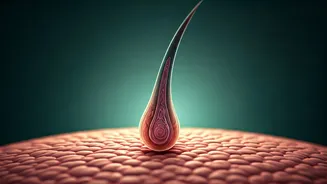
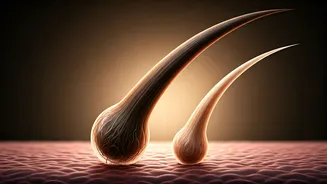
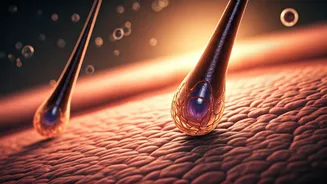
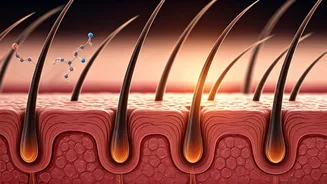
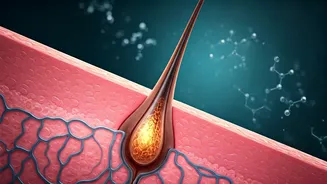
Think of your hair follicles as miniature production units responsible for generating hair strands. When DHT encounters a sensitive hair follicle, it essentially signals a gradual shutdown of operations. This interaction causes the follicle to shrink, resulting in the production of finer, shorter hair strands with each subsequent growth cycle. The period of active growth (anagen phase) shortens, while the resting phase (telogen phase) extends, making hair appear thinner and sparser. Over an extended period, the follicle may become so miniaturized that it ceases to produce hair altogether, leading to visible bald spots or extensive thinning in affected areas. This slow, insidious process is the hallmark of DHT's impact on hair.
Identifying the Risk
While DHT hair loss can affect a wide range of individuals, certain factors increase susceptibility. A significant predictor is a genetic predisposition, meaning if baldness or thinning hair runs in your family, your chances of experiencing it are higher. The condition often begins to manifest between the late twenties and thirties, although onset can occur earlier for some. Hormonal imbalances and specific medical conditions, such as Polycystic Ovary Syndrome (PCOS) in women, can also contribute to increased DHT sensitivity. It's a common misconception that women are immune; female pattern hair loss, a manifestation of DHT's effects, is a very real concern and presents with different thinning patterns than in men.
Testing and Treatment Options
While there isn't a simple home test to definitively diagnose DHT hair loss, several observable signs can indicate its presence. Observe the pattern of thinning – is it concentrated at the temples, crown, or along the parting? Track the timeline – has the thinning been gradual and progressive? Also, note any changes in hair strand thickness. For a conclusive diagnosis, consulting a dermatologist is highly recommended. They can perform a thorough scalp examination, potentially use a dermatoscope for close-up follicle analysis, and order blood tests if necessary. While DHT cannot be eliminated entirely, its effects can be managed through various approaches, including DHT-blocking medications, topical treatments designed to stimulate growth, and lifestyle adjustments such as a balanced diet rich in protein and biotin, and effective stress management techniques. Early intervention is key to slowing the progression.