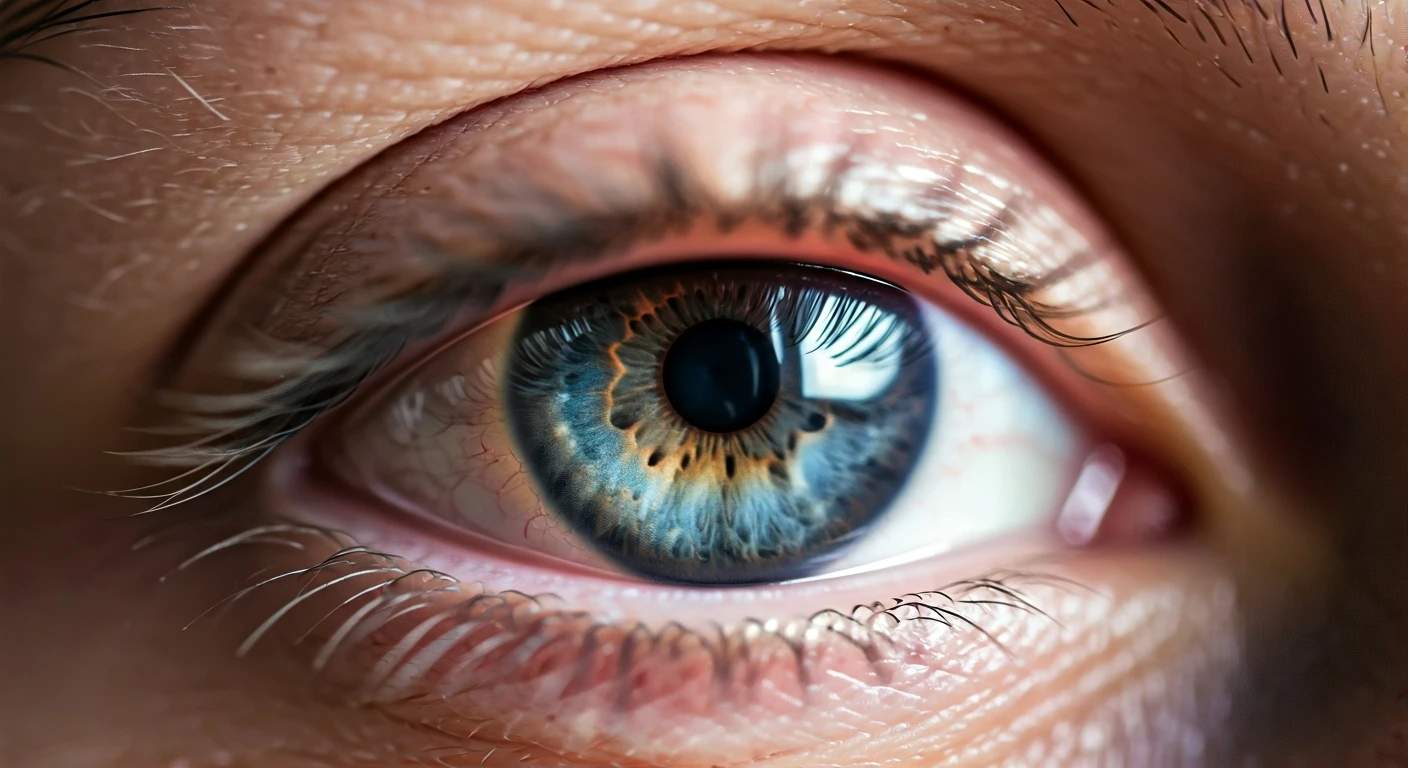








The Twitching Eyelid
Experiencing an eyelid that twitches uncontrollably for an extended period can be disconcerting. While occasional eyelid spasms, medically termed myokymia,
are a common occurrence for many, a persistent twitch that lingers for weeks can naturally lead to worry. This discomfort often prompts individuals to seek answers, wondering about the underlying cause. Fortunately, eye specialists explain that this phenomenon is frequently tied to everyday habits and environmental factors rather than a sign of a grave medical condition. Understanding these triggers is the first step toward finding relief and ensuring your eye health remains optimal.
Lifestyle Triggers Identified
Leading ophthalmologists pinpoint several prevalent lifestyle factors that commonly initiate and sustain eyelid twitching. Foremost among these is insufficient sleep; when the body is deprived of adequate rest, the nervous system becomes overstimulated, leading to fatigue in the delicate muscles surrounding the eyes, which then manifest as involuntary contractions. Another significant contributor is elevated caffeine consumption, especially for those sensitive to its effects, as it can further exacerbate muscle overactivity. Extended periods spent in front of screens, whether on phones, computers, or tablets, also play a crucial role. This prolonged visual focus often results in eye strain, reduced blinking frequency, and subsequent dryness, all of which can irritate the eye and trigger twitching.
Stress and Eye Strain
The connection between stress and physical symptoms, including eyelid twitching, is well-established. When individuals experience stress, their bodies release hormones that can heighten nerve activity and increase muscle tension throughout the body, including around the eyes. This increased neural excitability can make the eyelid muscles more prone to involuntary spasms. Concurrently, the effects of prolonged screen time, such as digital eye strain, contribute significantly. This strain arises from the intense focus required for digital devices, often leading to reduced blinking. Less frequent blinking means the eyes aren't lubricated as effectively, leading to dryness and irritation, which in turn can provoke persistent twitching episodes. These episodes may become more pronounced after periods of intense screen use and tend to subside with adequate eye rest.
When to Seek Care
While most eyelid twitching resolves on its own with lifestyle adjustments, there are specific circumstances when professional medical assessment becomes imperative. If the twitching persists for an extended duration, typically longer than three to four weeks, it warrants a visit to an eye specialist. Additionally, if the twitching begins to affect other facial muscles, spreads beyond the eyelid, or is accompanied by other concerning symptoms like drooping eyelids, noticeable redness or swelling around the eye, or any changes in vision, immediate medical attention is advised. Instances where twitching is observed in the cheek or lips could signal a condition like hemifacial spasm, requiring expert diagnosis. Although rare, persistent twitching can sometimes be an indicator of underlying issues such as blepharospasm, irritation of the facial nerve, or ongoing eye inflammation, all of which necessitate a thorough medical evaluation for accurate diagnosis and appropriate management.
Empowering Lifestyle Changes
Fortunately, the majority of eyelid twitching cases can be effectively managed through practical modifications to daily routines. Since fatigue, stress, and eye strain are primary instigators, focusing on improving these aspects of your life can lead to significant relief. Prioritizing 7 to 8 hours of quality sleep each night is crucial for allowing the nervous system and eye muscles to recover. Implementing stress-management techniques, such as mindfulness, yoga, or deep breathing exercises, can also help mitigate the impact of stress hormones. Reducing caffeine intake, particularly in the afternoon and evening, can prevent overstimulation. Furthermore, adopting the '20-20-20 rule' – taking a 20-second break to view something 20 feet away every 20 minutes while using screens – combats digital eye strain. Ensuring adequate hydration and maintaining a balanced diet rich in essential minerals like magnesium, found in foods such as pumpkin seeds, almonds, spinach, and dark chocolate, can further support optimal nerve and muscle function, contributing to the resolution of persistent eyelid twitching.