







The Illusion of Freshness
The satisfying aroma of a home-cooked meal, whether it's garlicky pasta or perfectly seared salmon, is a joy. However, the persistent odors that cling
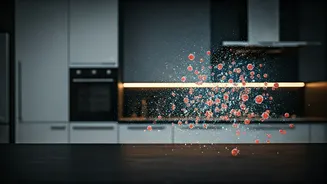
to your kitchen long after the meal is over are far from celebratory. Many instinctively reach for air fresheners, sprays, or candles, believing they are solving the problem. The unfortunate reality is that these products merely camouflage the issue. A common spray air freshener, for instance, doesn't interact with or eliminate the molecules causing the unpleasant smell. Instead, it bombards your olfactory senses with a new fragrance, like lavender or linen, effectively playing a game of hide-and-seek with your nose. This masking phenomenon tricks your sense of smell, creating a false sense of cleanliness without addressing the root cause of the odor.
The Hidden Dangers of Deception
Beyond the superficial fix, there's a significant drawback to merely masking odors: it can lead to a dangerous underestimation of real-world hazards. Our sense of smell is a crucial defense mechanism, alerting us to potential dangers like gas leaks or spoiled food. When we saturate our environment with artificial scents, we dull this vital alert system. A joint workshop report by NIST and AGA highlights that odor masking is purely a sensory trick. Masking agents don't neutralize the offending molecules; they interfere with the nerve receptors in our nose. This suppression means a homeowner might overlook a genuinely hazardous smell because it's buried beneath a cloud of artificial citrus or pine. Furthermore, aerosol sprays often contain volatile organic compounds (VOCs) that can circulate throughout the home, especially in poorly ventilated spaces, posing potential health risks.
True Odor Elimination Explained
Deodorization, according to the NIST workshop, fundamentally occurs when odorant molecules are either physically or chemically removed from the environment. This is where solutions like baking soda, activated charcoal, and enzymatic cleaners shine. These substances don't add another scent to the mix; they actively engage with the odor-causing compounds. Baking soda and activated charcoal, for example, act as adsorbents, chemically binding to and trapping volatile molecules responsible for smells like fishiness or rancidity. Enzymatic cleaners take it a step further by breaking down the organic matter that bacteria feed on, effectively eliminating the source of the odor. Thinking like a food scientist involves understanding that complex food odors often arise from intricate interactions. To combat these, we need agents that can genuinely degrade or adsorb these stubborn molecules, leading to a truly fresh and safe living space.