





Kitchen Grinds to Halt
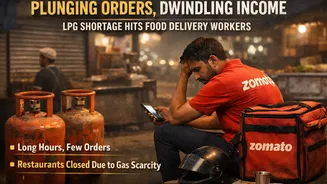
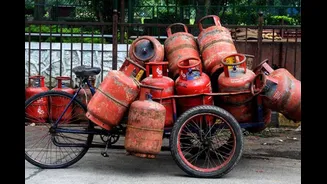
The culinary landscape in several Indian metropolises is currently grappling with a significant and disruptive LPG shortage, impacting the very operational
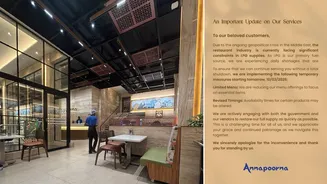
capacity of numerous restaurants. This scarcity of cooking gas has escalated to a point where maintaining normal kitchen workflows has become a considerable challenge, compelling some establishments to enact temporary suspensions of their services. A poignant example is a recently inaugurated restaurant in Bengaluru, whose founder, Kawaljeet Singh, conveyed the unfortunate news of its temporary closure via the social media platform X. His heartfelt post expressed profound disappointment, stating, 'We have to remain closed temporarily due to gas shortage in Bengaluru. My heart is broken, but the spirits are alive.' He further conveyed a resolute hope for resurgence, adding, 'We will come back stronger once the gas situation improves.' The eatery had only commenced its operations on March 6, offering a range of services including family dining, direct phone orders, and delivery facilitated by popular platforms like Zomato and Swiggy. The current deficit in LPG supply has directly impeded its ability to conduct routine kitchen activities, leading to this premature pause in its journey.
Community Reactions & Solutions
Following the announcement of the Bengaluru restaurant's temporary closure due to the LPG shortage, a wave of reactions and shared experiences emerged on social media. Many patrons and industry peers expressed their understanding and concern over the dire situation. One X user commented on the widespread impact, noting, 'We are operating with selected menu items, and that too for a few more days. Very bad scenario.' Another echoed the sentiment of disbelief and concern, stating, 'Tough times ahead. Never even imagined a situation like this.' Amidst the shared anxieties, constructive suggestions for navigating such crises also surfaced. Several users proposed strategic alternatives for businesses facing similar fuel supply challenges. One insightful recommendation was, 'Well, take it as an early lesson learned. I think new entrepreneurs in the restaurant business would be better off switching to alternative fuels or at least having alternative healthy cold menu cards; it just keeps the ship sailing during storms.' These suggestions highlight a growing awareness within the food service sector about the need for resilience and diversification in the face of unpredictable supply chain disruptions. Alongside practical advice, messages of encouragement were also prevalent, with one user writing, 'Keep up the spirits, Buddy. This too shall pass.'
Path to Reopening
The immediate future for the Bengaluru eatery hinges on the stabilization of the LPG supply chain. The establishment is slated to remain shut until the availability of cooking gas improves, a situation that is impacting numerous businesses across the country. The restaurant team remains optimistic and is actively awaiting a resolution to the current deficit, with the fervent hope of resuming their culinary operations once normalcy is restored. This period of involuntary closure underscores the vulnerabilities that even nascent businesses can face due to larger systemic issues. The collective efforts and innovative thinking observed within the community, however, suggest a broader industry-wide drive towards developing more robust and adaptable operational models. The promise of reopening with renewed vigor, as articulated by the owner, serves as a beacon of resilience amidst these challenging circumstances.