



Ghee Safety Alert
The Food Safety and Drug Administration (FSDA) has taken a significant step in safeguarding public health by declaring six brands of ghee as unsafe for
consumption in Aligarh. This decisive action, which includes a ban on the manufacture, sale, and storage of these products, stems from laboratory test reports that revealed these ghee samples failed to meet quality standards. In a related incident, officials intercepted 252 kg of adulterated ghee being transported, underscoring the prevalence of this issue. Consumers are strongly advised to exercise vigilance regarding the brands they purchase and to pay close attention to quality markers. The banned brands identified include Vrajvasi, Verona Products Pvt Ltd, Ratnagiri Chalisa Foods, Haryana Fresh, Dairy Nice, Shri Rudra Devansh Products, and Avik Shiva Milk Foods, highlighting a widespread concern that requires immediate attention from both regulatory bodies and the public.
Why Purity Matters
Consuming adulterated ghee can lead to severe health complications. Such products often contain harmful or inferior substitutes like vanaspati (hydrogenated fats), starch, animal fats, or synthetic dyes, compromising both nutritional value and safety. Introducing substances like starch or soapstone can disrupt the digestive system, causing symptoms such as bloating, stomach pain, and diarrhea. Furthermore, the adulteration with vanaspati or hydrogenated oils, which are rich in trans fats, can dangerously elevate LDL (bad) cholesterol while lowering HDL (good) cholesterol, significantly increasing the risk of cardiovascular diseases. Beyond gut health, these contaminants can affect the body's overall functions and, in critical cases, even impact the nervous system. Therefore, ensuring the purity of ghee is paramount for maintaining good health and avoiding these potential dangers.
Spotting Pure Ghee
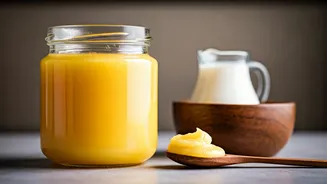
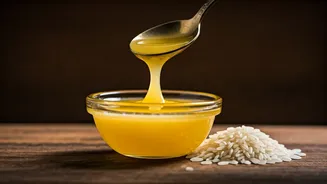
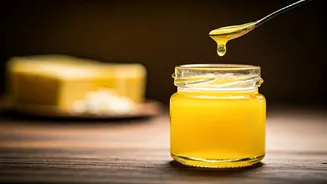
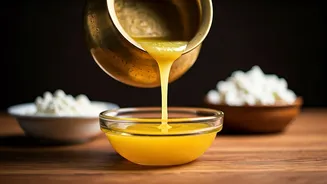
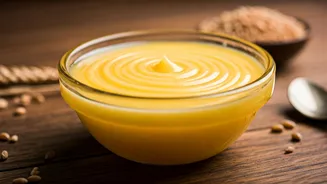
Authentic ghee possesses distinct characteristics that can help consumers identify its purity. A genuine ghee typically exhibits a rich, golden hue and a creamy texture. When held up to light, pure ghee should appear translucent and clear; a pale color might suggest the presence of preservatives, prompting caution. The packaging and labeling also offer crucial clues: legitimate brands display regulatory compliance certificates, license numbers, and clear packaging and expiry dates. In terms of sensory attributes, pure ghee has a pleasant, nutty aroma and a smooth consistency, never a burnt smell, which could indicate water or additives. Simple at-home tests can further confirm purity. For instance, the palm test involves placing frozen ghee on your hand; if it melts instantly, it's likely pure. The water test suggests that pure ghee floats on water, while adulterated ghee sinks. Additionally, the salt and iodine tests can detect common adulterants: adding salt and a specific acid might turn the ghee red if adulterated, while iodine solution turning ghee purple indicates the presence of starch.
Homemade Ghee Recipe
Creating your own pure ghee at home is a straightforward process that ensures quality and freshness. Begin by collecting approximately 1 kg of homemade malai (cream) and store it until ready for use. To initiate the churning process, warm the malai slightly and then incorporate about half a tablespoon of curd, allowing it to ferment for 8 to 10 hours. After this fermentation, refrigerate the mixture for 12 hours. Subsequently, use a hand churner to vigorously churn the butter solids until they transform into a light and fluffy butter. At this stage, add about 2 cups of ice water and separate the butter from the buttermilk. Transfer the churned butter into a heavy-bottomed pan and gently simmer it over a low flame until a clear, golden liquid forms. Once the homemade ghee is ready, let it cool down. Strain it carefully and store it in an airtight glass jar or a steel container. The resulting buttermilk can be utilized in various culinary applications, such as a refreshing drink or an ingredient for dishes like cheela or kadhi, minimizing waste and maximizing its utility.