



The Shifting Ethical Landscape
The fashion industry is witnessing a significant ethical pivot, with growing awareness and initiatives like fur bans and the embrace of plant-based materials.
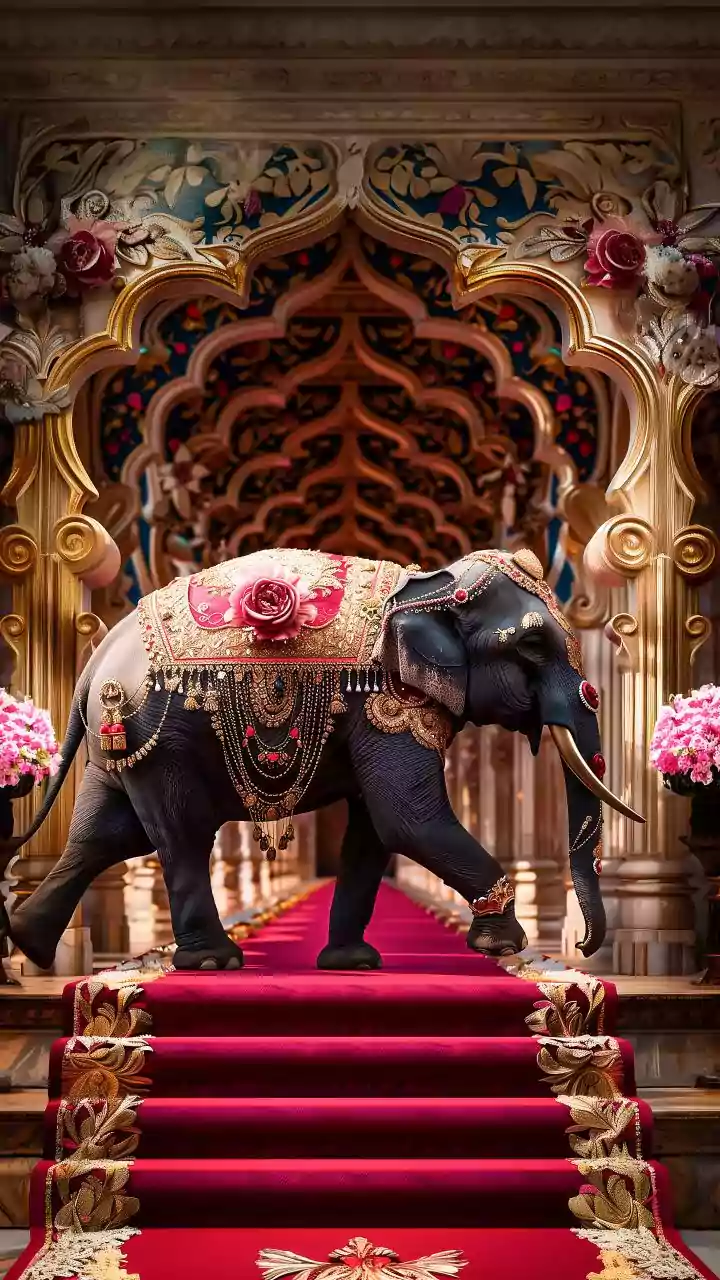
Recent events, such as an elephant's death after being used as a prop for a photoshoot, highlight the broader societal reconsideration of our relationship with animals. This increased consciousness is driving fashion brands to explore alternatives, with innovations like fiberglass, knits, and felt replacing traditional animal-derived products. Major events like Paris Fashion Week showcase these advancements, while brands like Victoria's Secret are replacing feathers with 3D-printed and other non-animal materials for their iconic 'angel wings.' Designers are actively experimenting with a range of novel materials, including those derived from mushrooms, pineapples, cactus, and coconuts, signaling a move towards a more compassionate industry, although the alignment between 'cruelty-free' and 'sustainable' isn't always direct, leading to morality-laden marketing campaigns.
Defining "Vegan" Fashion
Vegan fashion, a market now valued in the hundreds of billions, is often broadly defined as apparel made from materials that do not involve animal harm. However, in practice, this definition is frequently stretched. Common 'vegan' alternatives to leather, for instance, are often made from plastics like PU or PVC, while faux fur is typically constructed from acrylic blends. This widespread use of synthetics means that many products labeled 'vegan' still raise significant environmental concerns due to their reliance on non-biodegradable materials. This practice has led to a vocabulary crisis where 'vegan' is used loosely to denote innovation, substitution, or merely for aesthetic appeal. As emphasized by PETA India's Poorva Joshipura, 'vegan' simply means non-animal and should not be conflated with plastic, a tactic she notes is deliberately employed by polluting industries like leather production to obscure the environmental impact.
The Unresolved Cruelty Chain
Determining the ethical hierarchy within animal-derived materials is a complex and often subjective endeavor. While some reports rank bovine leather as the highest polluter, followed by silk and wool, the practical application of cruelty-free principles varies. The debate surrounding silk production, for example, often contrasts ahimsa silk, where silkworms are not killed, with conventional silk where cocoons are boiled. Similarly, wool production raises questions about animal welfare, as sheep can be shorn roughly or left injured. Some believe leather is inherently the most cruel, while others highlight specific instances where materials like wool and pashmina can be sourced ethically, respecting pastoral traditions and animal sustenance, particularly in regions like Ladakh where shearing is done in summer for the animals' comfort. Organizations are working with herder communities to center ethical practices and traditional knowledge in their material sourcing.
Consumer Navigation Challenges
Activism plays a crucial role in influencing fashion's direction, often prompting calls for designers to abandon animal-derived materials. However, these interventions also place a significant responsibility on consumers to discern genuine ethical practices from marketing ploys. The terms 'cruelty-free fashion,' 'vegan fashion,' and 'sustainable fashion' are not interchangeable. A brand might be leather-free but still use wool or silk, and a plant-based material may not be biodegradable. This ambiguity creates a confusing landscape for consumers who must navigate a complex vocabulary where the stated ethical intent and the actual material reality frequently diverge. The need for consistent choices from designers, brands, and consumers alike is paramount for vegan fashion to move beyond selective morality and truly embrace comprehensive ethics.