
Layered Garden Design
As the gentle warmth of May arrives, it's an opportune moment to cultivate a visually striking garden that actively supports local wildlife. The strategic
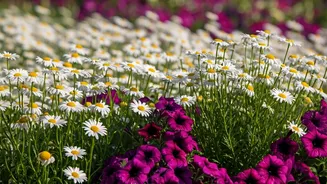
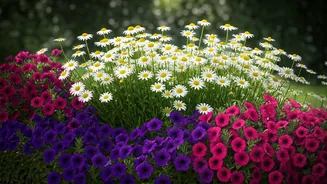
combination of robust Shasta daisies, known for their impressive height and classic white blooms, with the colorful, ground-covering petunias offers a captivating aesthetic. This layering technique not only creates a dynamic visual appeal with contrasting heights and textures but also enhances the garden's attractiveness to a wider array of pollinators. Shasta daisies, scientifically identified as Leucanthemum superbum, can soar up to four feet, providing a strong vertical element and structural beauty at the back of a flowerbed. Their bright yellow centers act as beacons. Complementing these stately flowers, petunias, typically reaching no more than 18 inches, spread out as a vibrant carpet in hues of pink, purple, and yellow. This intentional variation in plant height and form, as supported by research, is more effective at drawing a diverse range of beneficial insects compared to uniform plantings, fostering a more robust and lively garden ecosystem.
Why Butterflies Adore Them
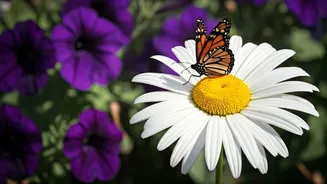
The remarkable appeal of Shasta daisies and petunias to butterflies is rooted in their shared preference for sunny environments. As cold-blooded creatures, butterflies rely on external heat sources to regulate their body temperature, making warm, sun-drenched areas ideal. Both of these flower varieties thrive in full sun, naturally congregating in the brightest spots within a garden, which invariably become butterfly hotspots. Beyond their sun-loving nature, these plants are exceptional nectar producers. The broad, flat surfaces of Shasta daisies provide ample landing and feeding space for larger butterfly species, while the trumpet-shaped petunias offer accessible, nectar-rich wells. This consistent availability of nourishment is crucial for supporting butterfly populations, especially in urban and suburban settings where natural habitats are shrinking. Gardens featuring such diverse and reliable nectar sources act as vital 'nectar cafes,' playing a significant role in sustaining these delicate insects.
Planting Success Tips
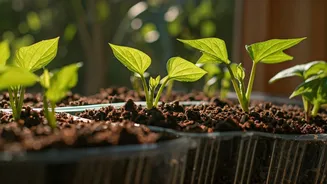
To ensure a flourishing garden by summer's arrival, mindful timing and soil health are paramount when planting in May. It is imperative to wait until all risk of frost has passed before introducing young plants to the soil, as petunias, in particular, are susceptible to late spring chills. For those aiming for immediate floral display rather than starting from seed, opting for mature starter plants from a local nursery is highly recommended. This approach provides a significant head start, ensuring stronger root development from the outset. Maintaining this chosen combination is commendably straightforward. Both Shasta daisies and petunias perform best in well-draining soil, and overwatering should be avoided to prevent common issues like fungal diseases and root rot. A simple method to gauge watering needs is to check the top inch of soil; if it feels dry to the touch, it's time to water. While generally resistant to major pests, vigilance against occasional slugs and aphids on delicate foliage is advised. Strategically planting taller daisies at the back and shorter petunias at the front ensures optimal sunlight exposure for each plant, promoting vigorous growth throughout the season.