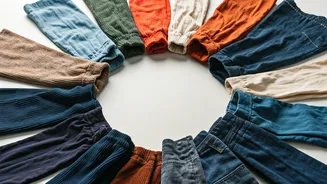

What is Circular Fashion?
Circular fashion is a groundbreaking concept that steers away from the conventional linear model of 'take-make-dispose' prevalent in the fashion industry.
Instead, it advocates for a closed-loop system where garments are designed to be reused, repaired, and recycled, thus minimizing waste and maximizing the use of resources. This approach promotes the use of sustainable materials, ethical production practices, and innovative design that prioritizes durability and longevity. The essence of circular fashion lies in its commitment to reducing the environmental impact of clothing production and consumption.
Buy Secondhand and Vintage
One of the easiest ways to embrace circular fashion is to buy secondhand and vintage clothing. This not only gives garments a new life but also reduces the demand for new production, which consumes vast resources. Explore vintage shops, consignment stores, and online platforms specializing in pre-loved clothing. Before purchasing, examine the garment's condition, check for any damage that may affect its durability, and consider how you can incorporate it into your existing wardrobe. Buying secondhand is a cost-effective and sustainable way to expand your wardrobe while reducing waste. Additionally, it contributes to reducing landfill waste.
Embrace Clothing Rental
Clothing rental services are becoming increasingly popular as they offer a convenient and sustainable alternative to purchasing clothes for special occasions or seasonal needs. Renting allows you to enjoy a variety of outfits without the long-term commitment of owning them. It reduces the demand for new clothing production, lessens textile waste, and allows you to experiment with different styles and brands. Before subscribing to a rental service, consider your fashion preferences, budget, and the types of garments available. Select a service that aligns with your style and needs to make the most of this circular fashion option.
Prioritize Repair and Upcycling
Learning to repair your clothes and upcycling them offers a creative and sustainable way to extend their lifespan. Repairing involves fixing minor damages, such as replacing buttons, mending tears, or reinforcing seams. Upcycling transforms old garments into new and valuable items. Consider using your old clothes to create unique pieces like tote bags, patchwork quilts, or even other items of clothing. Resources like online tutorials and local workshops can teach essential repair skills. Repairing and upcycling reduces waste and supports a more resourceful approach to fashion.
Care and Maintenance
Proper garment care plays a crucial role in extending the life of your clothes, thereby supporting the principles of circular fashion. Follow washing instructions carefully to prevent damage and wear. Wash clothes less frequently, spot clean when possible, and opt for cold water washes to reduce energy consumption and preserve fabric quality. Invest in quality detergents that are gentle on fabrics. Store clothes properly to avoid damage from sunlight, moisture, and pests. By taking good care of your garments, you ensure their longevity and minimize the need for replacements.
Choose Sustainable Materials
When purchasing new clothes, consider garments made from sustainable materials. Look for fabrics like organic cotton, recycled polyester, Tencel, and linen. These materials have a lower environmental impact compared to conventional options. Organic cotton reduces pesticide use, while recycled polyester repurposes plastic waste. Tencel and linen are derived from renewable resources and require less water and energy to produce. Reading fabric labels and researching brands committed to sustainable practices is key. Making informed choices supports the shift toward a more responsible fashion industry.
Support Ethical Brands
Supporting brands that prioritize ethical and sustainable practices is a vital aspect of embracing circular fashion. Look for brands that ensure fair labor practices, safe working conditions, and transparency in their supply chains. Check for certifications like Fair Trade, which guarantee fair wages and working conditions. Research the brand's environmental policies and commitment to sustainability. By supporting these brands, you contribute to a fashion industry that values people and the planet, paving the way for a more responsible approach to clothing production and consumption.
The Future of Fashion
The future of fashion is undoubtedly moving towards circularity. Technological advancements, design innovations, and increasing consumer awareness will play a key role in accelerating this transformation. Expect to see greater integration of technologies like 3D printing, which can create customized and on-demand clothing. The adoption of new materials, such as bio-based fabrics, will continue. Fashion companies will likely need to focus on closed-loop systems, waste reduction, and consumer education to succeed. The collective efforts of consumers, brands, and policymakers can lead to a more sustainable fashion industry.