
Defining The Commute
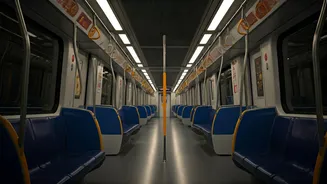
Commuting, the daily journey from home to work, is a universal experience, yet its duration varies wildly depending on location. In many Asian cities,
commuting is more than just a means of getting to work; it's a significant part of daily life. Long commutes can impact various aspects of life, including work-life balance, health, and overall well-being. Examining which cities have the longest commute times helps understand the challenges faced by urban dwellers and the effectiveness of city planning and infrastructure.
Tokyo's Transport Network
Tokyo, often topping the list, presents a paradox. While the city boasts an incredibly efficient and extensive public transport network, including a complex system of trains, subways, and buses, its sheer size and population density contribute to significant commute times. The average commute can be lengthy due to the distance people travel from residential areas to commercial hubs. Despite the efficiency, the sheer volume of commuters and the need to navigate the sprawling urban landscape keep commute times elevated.
Traffic's Impact in Delhi
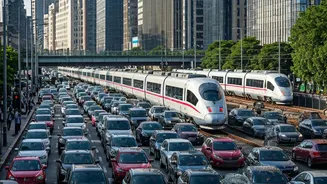
Delhi, known for its traffic congestion, sees commuters battling some of the longest average times. The city's infrastructure struggles to keep pace with its rapid population growth. Road networks, though expanding, often become overwhelmed, leading to bottlenecks and delays, especially during peak hours. The reliance on personal vehicles, coupled with insufficient public transit capacity, further exacerbates the problem. The result is considerable time lost in traffic, impacting productivity and well-being.
Seoul's Public Transport
Seoul, a city that offers an extensive and highly efficient public transportation system, still contends with substantial commute times. While the subway network is one of the best globally, providing fast and reliable service, the sheer distance many people travel, coupled with the city's overall density, contributes to longer commutes. The system's effectiveness is somewhat offset by the volume of people using it and the distances they traverse to reach their workplaces.
Congestion in Mumbai
Mumbai, like Delhi, faces severe traffic congestion. The city's narrow roads and high population density strain its transportation infrastructure. Commuters often find themselves stuck in traffic for extended periods. This contributes to longer average commute times. Furthermore, the city's public transport, though present, is often overcrowded, adding to the challenges faced by daily commuters, and increasing travel times.
Bangkok's Challenges
Bangkok, a city known for its vibrant street life, also struggles with significant commute times. The city's heavy reliance on private vehicles, limited public transit, and frequent traffic jams are major contributors. Despite the presence of elevated train lines and the subway, the overall congestion means that even with modern transport options, commuters spend a substantial amount of time travelling.
Jakarta's Infrastructure
Jakarta’s infrastructure has not completely adapted to the city's enormous population. This city experiences significant commute times because of traffic congestion. Public transport options are not as extensive, which causes many people to rely on cars and motorcycles. This results in heavy traffic, making commutes long and slow. The ongoing efforts to improve infrastructure, including expanding public transport, are aimed at reducing these travel times.
Metro Manila's Struggle
Metro Manila is another city where commuters grapple with lengthy commutes. The city struggles with a combination of factors: overpopulation, poor urban planning, and a lack of investment in effective public transport. Traffic jams are frequent and severe. The existing infrastructure is unable to handle the large number of vehicles on the roads, resulting in long hours spent commuting daily.
Shanghai's Urban Growth
Shanghai is an important financial hub, and it has a high volume of commuters navigating the city. Despite efforts to develop an extensive public transportation system, the growth of the city has also contributed to congestion, especially during peak hours. The size of Shanghai and the distances between residential and commercial areas mean that even with a good public transport network, commuting can take a long time.
Kuala Lumpur Commutes
Kuala Lumpur, with its blend of modern infrastructure and urban sprawl, still experiences noteworthy commute times. While the city has a good public transport system, including trains and buses, traffic congestion, especially in the central areas, can significantly extend travel times. The layout of the city and its growing population means many residents spend a significant portion of their day commuting.